Top-rated leaf removal pros.

Best leaf removal pros near Belmont, MI

Enter your zip and get matched with up to 5 pros

Need a pro for your leaf removal project in Belmont, MI?

Select your specific project to find the pro for you.

TRUSTED BY BELMONT, MI HOMEOWNERS

  • Average homeowner rating star icon4.5
    Average homeowner rating
  • Verified reviews icon75
    Verified leaf removal services reviews

Top-Rated Leaf removal pros in Belmont - Updated Nov 2026

Avatar for L & C Drywall Services, LLC
L & C Drywall Services, LLC
5.0(
12
)
Waste, Junk, Building Materials and Debris - Remove and Haul

Serving Belmont, MI and surrounding areas

Approved

In business since 2018

Free estimates

Warranties offered

"Requested chair lift removal from stairs. LLC Drywall answered quickly showed up at time agreed on worked quickly, efficiently. Very friendly people to work with! Would recommend anytime for sure!!"
Basement
Basement
Basement
Basement
Basement

+14

Response time1 day
4 neighbors recently requested a quote
Recommended by63%of homeowners
Avatar for Haul-it Heroes Junk Removal
Haul-it Heroes Junk Removal
5.0(
7
)
Waste, Junk, Building Materials and Debris - Remove and Haul

Serving Belmont, MI and surrounding areas

Approved

In business since 2025

Free estimates

Small jobs welcome

We take great pride in our experience, expertise, quality, and customer service that we provide to meet the consumer's needs. It is our mission to provide excellent workmanship and complete customer satisfaction, from the start to the completion of a project. In order to understand the needs and expectations of our customers, we take great care to work and communicate with every customer in a professional manner. Our reputation is based on service, safety, and quality, regardless of how large or small the job.

Apartment Cleanout
Apartment Cleanout
Apartment Cleanout
Apartment Cleanout
Apartment Cleanout

+1

2 neighbors recently requested a quote
...
Showing 1-10 of 216
Leaf Removal FAQs, answered by experts

According to the Environmental Protection Agency (EPA), hazardous waste is generally classified into four main categories:

1. Characteristic Wastes: These exhibit at least one of four hazardous traits: ignitability (flammable, like gasoline), corrosivity (can rust or decompose materials, like car batteries), reactivity (unstable and can explode, like aerosol cans), or toxicity (harmful when ingested, like lead-based paint).

2. Listed Wastes: These are specific wastes from manufacturing and industrial processes that the EPA has officially designated as hazardous. They include byproducts from processes that use solvents, pesticides, and other chemicals.

3. Universal Wastes: These are commonly generated hazardous items that are subject to streamlined regulations. Examples include batteries, pesticides, mercury-containing equipment (e.g., bulbs), and some lamps.

4. Mixed Wastes: This category includes waste that contains both hazardous and radioactive components, making it subject to regulation by both the EPA and the Nuclear Regulatory Commission.

Exterior paint contains a higher level of VOCs, which can be dangerous if you’re exposed to it for a long period of time. The good news is that paint’s toxicity reduces significantly once fully dried and cured. Do not keep open exterior paint cans in your home, basement, or garage, exposing your household to harmful chemicals over time.

You can sell a house with lead paint, but there are several requirements. If you are aware that lead paint exists anywhere in the home, you must disclose that to potential buyers. Required home inspections will often uncover lead paint, especially for older houses where lead paint may still be a problem. If you have taken steps to encapsulate lead, you should provide buyers with full documentation of the project so it won’t cause any problems later on.
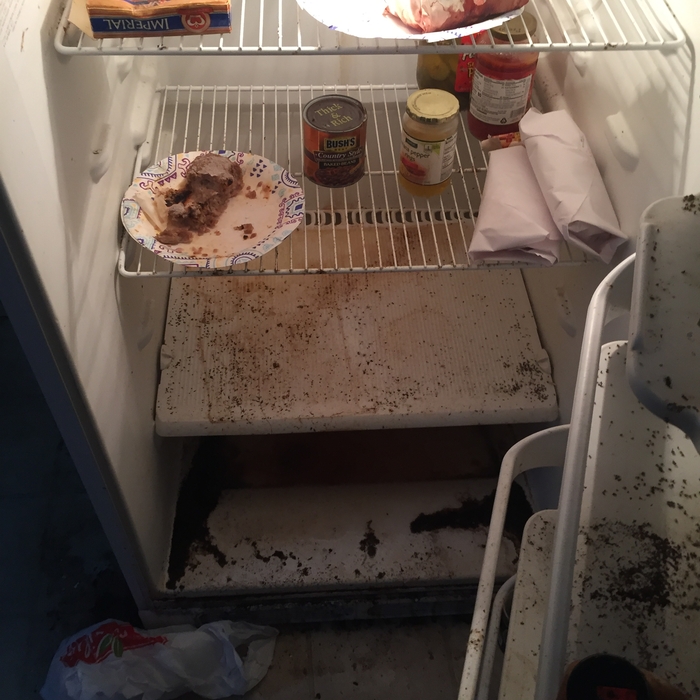
While not all homes built before 1978 contain lead paint, enough do, so you’ll still want to test to be on the safe side. The federal government banned lead-based paint for homes in 1978, but your state may have banned lead before that time. Around 24% of homes built between 1960 and 1977 contained lead-based paint, while 87% of homes built before 1940 contained lead-based paint.
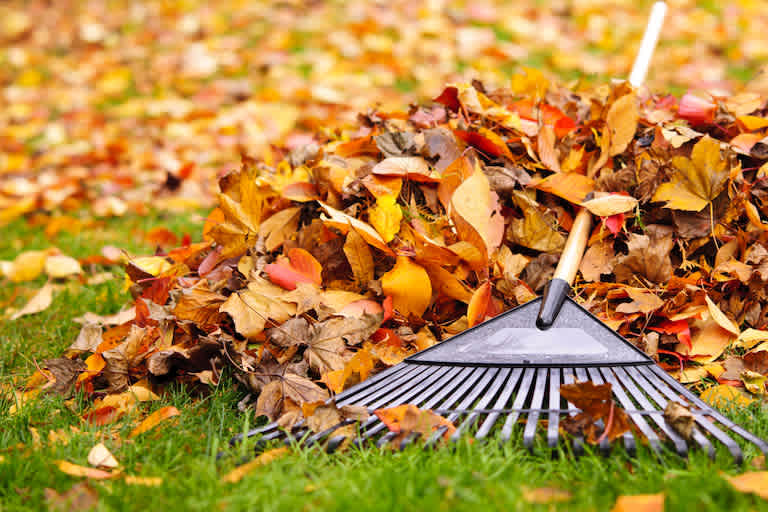
The best disposal method for hazardous waste is to take it to a professional dumping facility that specializes in and accepts hazardous materials. These facilities will dispose of the materials in a way that is safe for both humans and the environment. If you don’t have access to a nearby facility, the best way to get rid of hazardous waste is to call a professional garbage removal company who handles disposing of hazardous materials .

The Belmont, MI homeowners’ guide to leaf removal services

From average costs to expert advice, get all the answers you need to get your job done.