"LFC Services did a great job in repairing my backyard fence. They were very timely and professional from the beginning to the completion of the project."
"We hit Terry with a multitude of tasks. Siding repair, stucco work, garrage trim repair, and even last minute electrical troubleshooting. He met every challenge with ease. Courteous, thorough, and craftsmanship are only a few traits I can use to describe him. We are already planning more work for him!"
"The service and timing was excellent, they got the work done well and even assisted on other small issues that needed attention. Made some good recommendations for future project and look forward to them."
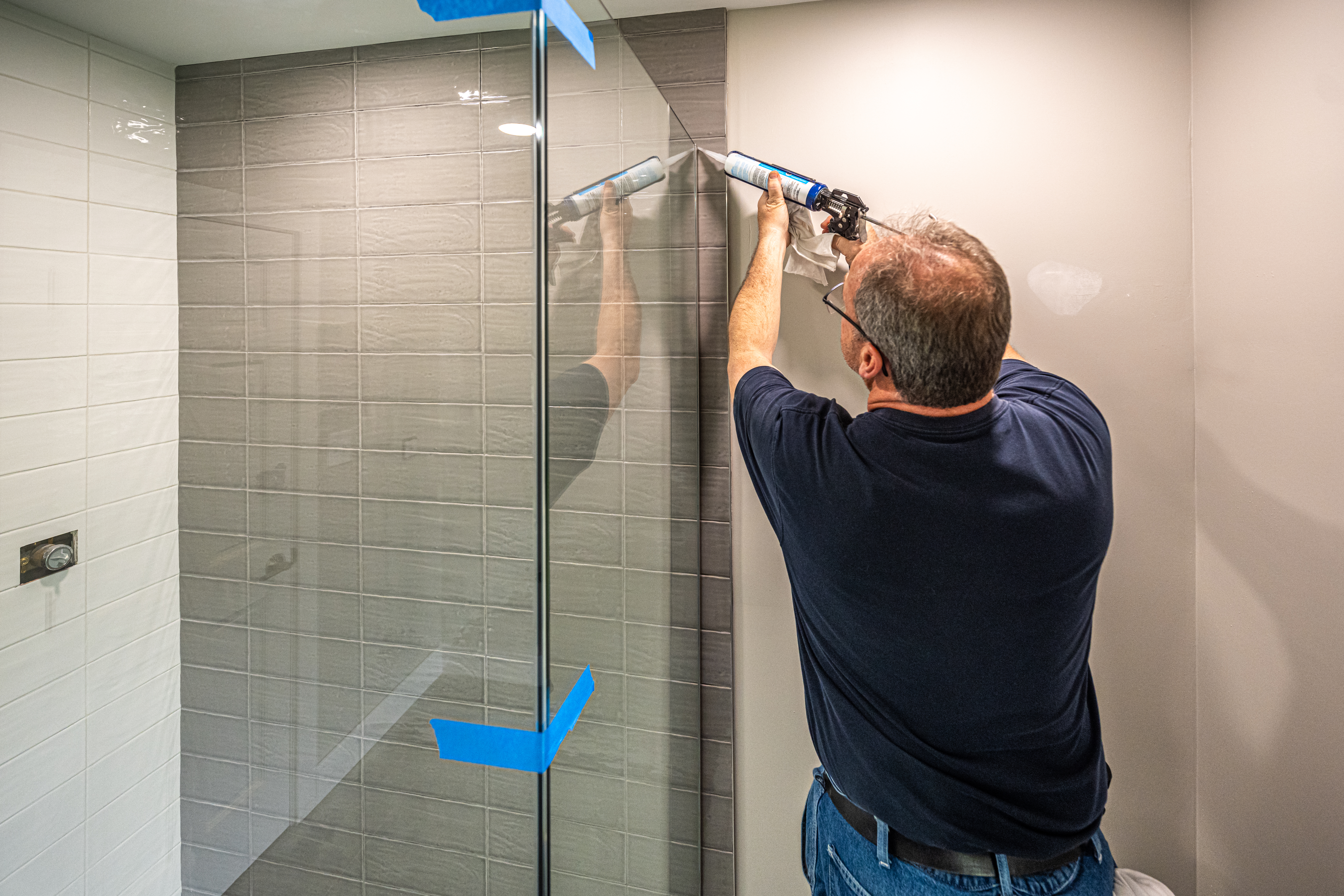
"I was very impressed with the attention to detail and the commitment to delivering exemplary service. As an example, I was having a bathroom tub re-caulked. After they did it, the technician (Ben) said he didn't think the color of the standard caulk looked good, he checked in with me about it, and redid it the next day. One aspect of the project also ended up taking longer than expected and they couldn't get it done in the projected timeframe, but Ben and Marcos made sure that they were there first thing the following day to make sure it got done and I didn't have to wait weeks to get back on the schedule. They also said at the beginning that they'll leave everything as clean a they found it. I've heard that from contractors before, but this was the first time it was actually true! I couldn't have been happier with the quality of the work."
Most professional appliance removal companies will not expect a tip, but offering one is a good way to show appreciation for a job well done. A tip of 10% to 20% is a good idea if your professionals are working in the rain or snow, if they take extra care not to damage your walls and furniture in the removal process, or if they need to maneuver the appliance through tight spaces or up or down stairs to get it out of your home.
The cost to hire a handyman can vary, with most charging on a per-hour or per-project basis. On average, expect to pay between $50 and $150 per hour, with a typical rate around $90 per hour. For project-based work, the average cost is about $400, though the total can range from as low as $180 to $1,500 or more. Some handypeople may also require a minimum flat rate, such as payment for two hours of work.
Several factors influence the final cost, including:
The type, size, difficulty, and complexity of the job
The amount of time the work takes
The handyman's experience level
Your geographic location
The cost of materials and any necessary permits
Accessibility of the work area and potential travel costs
Additionally, you may encounter higher rates or extra fees for emergency services or work scheduled during holidays.
While a handyperson will do the odd small job for your home, a maintenance person is responsible for conducting regular inspections and repairs. Maintenance people may come in to do small fixes and diagnose any issues you might be facing, but may not have all the same technical abilities as a handyperson.
From drywall repair to fixture installations, pros address diverse home maintenance needs.
Handypeople usually don’t hold trade licenses, so they typically aren’t qualified to tackle projects involving installing or making alterations to plumbing or electrical lines. Below are some jobs that a handyperson usually won’t be able to complete:
Installing plumbing for a new kitchen or bathroom
Replacing plumbing pipes
Installing or repairing septic systems
Running new electrical wiring
Installing a subpanel
The Kemp Mill, MD homeowners’ guide to caulking services
From average costs to expert advice, get all the answers you need to get your job done.
For a bathroom remodel, touch-up, or home perimeter, caulking is worth the investment. Find out average costs for window caulking, shower caulking, and more.
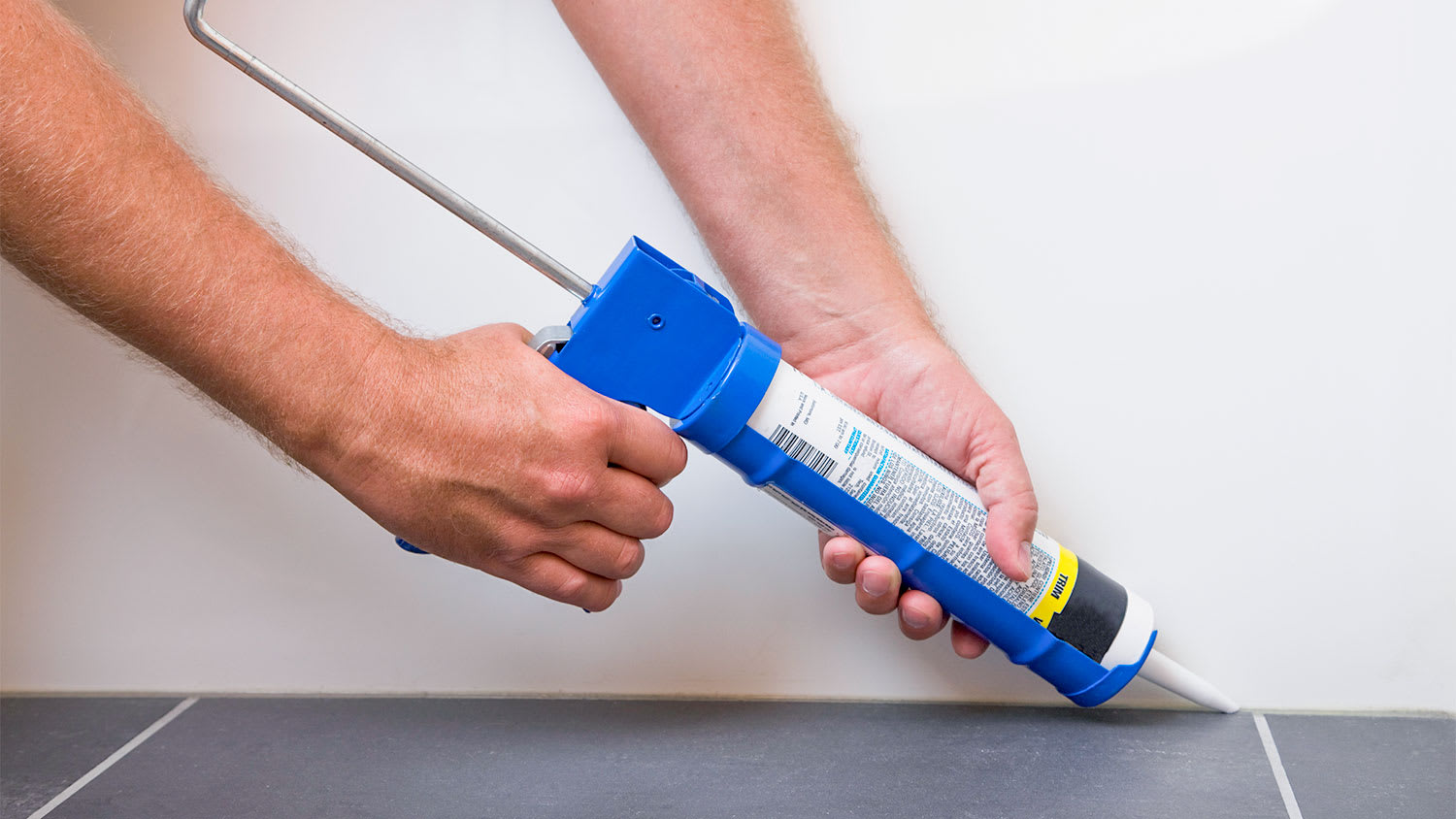
You know your bathroom needs a new caulking job to prevent leaks, but who do you hire? We’ll tell you what kind of professional to contact, what goes into the project, and whether you should consider doing the job yourself.
Caulking isn’t as easy as it looks, but with some tricks, even a beginner can do it like a pro. This guide will show you how to caulk in nine simple steps.
With so many different types of caulk on the market, how do you know which one is right for your home improvement project? Here’s how to figure it out.
Caulk and sealant are both helpful for closing gaps, but they aren’t the same thing. Find out whether caulk versus sealant is a better choice for your project.