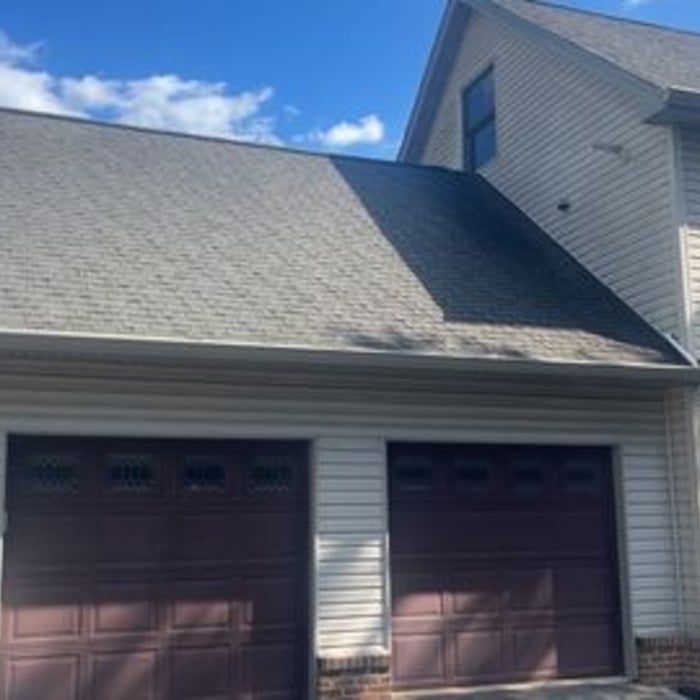

Top-rated insulation pros.

Best insulation pros near Hampstead, MD

Enter your zip and get matched with up to 5 pros

Need a pro for your insulation service project in Hampstead, MD?

Select your specific project to find the pro for you.

TRUSTED BY HAMPSTEAD, MD HOMEOWNERS

  • Average homeowner rating star icon4.7
    Average homeowner rating
  • Verified reviews icon63
    Verified insulation services reviews

Top-Rated Insulation pros in Hampstead - Updated Nov 2026

Avatar for Atlas Home Energy Solutions
Atlas Home Energy Solutions
4.1(
34
)
Batt, Rolled or Reflective Insulation - Install or UpgradeBlown-In Insulation - Install or UpgradeSpray Foam Insulation - Install

Serving Hampstead, MD and surrounding areas

Approved

In business since 2009

Free estimates

Credit card accepted

"Our first interaction with Atlas was with Shannon. As knowledgeable and personable as one could hope for. She clearly explained cost effective measures to better insulate our house. We opted for sealing and insulating our attic and weather stripping a number of doors. We were very pleased with the workmanship and the energy savings they produced. They also helped us get a PEPCO credit which reduced the overall cost of the job. A winner!"
Visual Inspection of all Areas of your Home
Attic Insulation and Air Sealing
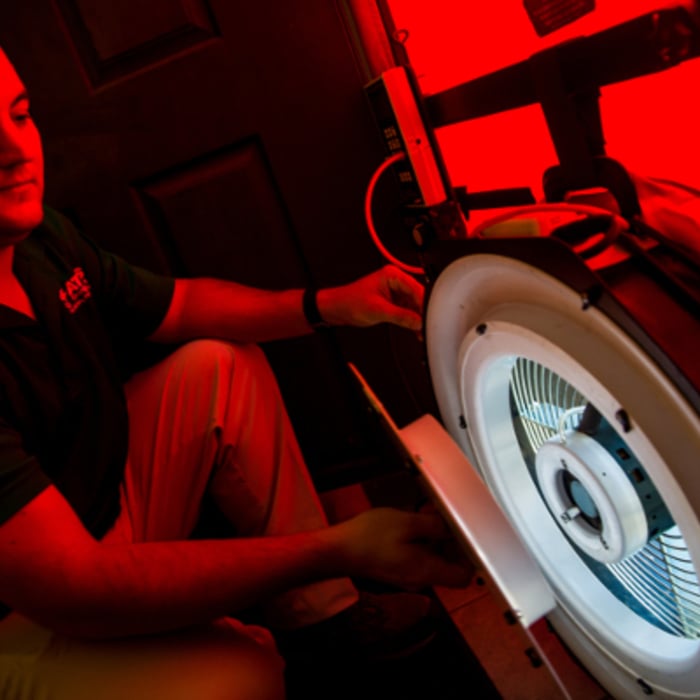
Infrared Camera Inspection
Attic Spray Foam
Blower Door Whole House Air Leakage Test

+11

Response time1 day
Recommended by87%of homeowners
Avatar for Atlas Home Energy Solutions LLC
Atlas Home Energy Solutions LLC
4.9(
106
)
Batt, Rolled or Reflective Insulation - Install or UpgradeBlown-In Insulation - Install or UpgradeInsulation - Install or Upgrade+1 more

Serving Hampstead, MD and surrounding areas

In business since 2009

Free estimates

Warranties offered

"I contacted Atlas not because of high energy bills but because of noticeable summertime temperature differences between the first and second floors. My home is 32 years old and had never had the ducts cleaned and I suspected there was leakage from seams in the duct work. While the house was built to the then current (1988) code levels, the code is now more stringent. For example, my attic insulation was R30 where code is now R50. Atlas first performed an energy audit. Based upon that outcome, they recommended: (1) rerouting the bathroom exhaust fans through the roof, (2) additional insulation in the attic bringing it to R50. (3) closed cell foam sealing in the main and garage attics where appropriate, (4) cleaning the heating/cooling ducts and (5) using the AeroSeal product in the same ducts. I opted for all of these services. The work was spread over 3 occasions, each no more than 2 days duration with most completed in a single day. Their friendly work crews were very attentive to my property, made sure to put down drop cloths throughout the house and generally made certain everything was clean upon leaving. They kept me informed throughout every task and showed/explained what they had encountered. My ducts certainly did need cleaning, even though it’s always been a smoke free home environment and without pets. The benefits of this work have been fantastic. The AeroSeal process yielded a 98% reduction in duct leakage. I can tell very little temperature difference between the first and second floors now. I’m expecting more noticeable improvements during the winter months. I strongly without reservation recommend Atlas Home Energy Solutions."
Additional Photos
Additional Photos
Additional Photos
Additional Photos
Additional Photos

+16

Response time3 days
Response rate100%
Recommended by97%of homeowners
Cameron Home Insulation
4.6(
40
)
Batt, Rolled or Reflective Insulation - Install or UpgradeBlown-In Insulation - Install or UpgradeInjection Insulation - Install+2 more

Serving Hampstead, MD and surrounding areas

In business since 1907

Free estimates

Credit card accepted

"Debbie, the AC&R salesperson, was very knowledgeable and confident. They were the 2nd quote I got for work and came in even lower than I expected (which gave me pause as a low bid is a red flag). But true to her word, they did the work professionally (mostly...see below) and promptly. While I had another company do the energy audit for the Pepco rebate, AC&R took over the work, did the blown fiberglass one day and the spray foam the next.


For the blown fiberglass in the attics above our additions, they added spray foam (from a can) around any gaps per the contract and foam board baffles at the soffits. The installer noted that all our soffits were blocked and the batting insulation was too wide for the rafter channels, so he leveled it out as best he could to ensure an even coating of blown insulation. At the end, he sealed up the gaps between the attic and our to-be-finished upstairs (cape cod style, so all one room).


For the spray foam insulation, the team came in the next day, and I had to be out of the house due to fumes. I did come back around noon as they expected to be done well before then. They didn't know I came in and I went to the back of the house to watch TV on my work break. The one annoyance was during their cleanup, one of the installers came down into our kitchen and then saw me. He said he was looking for a vacuum cleaner to clean the stairs. I told him don't worry about the carpet as it was getting pulled up, but this was the one piece of unprofessionalism I noted above. Contractors should NEVER use the homeowner's property; they should bring their own tools, including vacuums!


While the spray foam can get very messy, they kept the splatter mostly contained to inside the crawlspace, not the finished flooring. However, I was surprised that they didn't tape off the outlet covers or light switched. since the particles are so small, we're going to have to replace the switches/receptacles at our cost. Also, there was a storm door screen that wasn't covered and now needs cleaned. Basically, I think they should have taken more care in covering the very few items we left upstairs and the outlets/switches.


They didn't spray around the window frames (large gaps where window weights used to be) because the open cell foam would expand too much. If I wasn't there, I think they would have just left, but it was clear in our contract discussions they needed to insulate those spaces too. They used a few cans of "Good Stuff" equivalent, but didn't fill in the gaps entirely. It did the job well enough, but it's a ding against them as I expected more preparation.


Lastly, I thought that AC&R would walk me through all the scheduling and final "test out" (for the Pepco rebate), but I had to contact them and schedule with someone different each time. They were always prompt, but I expect the experts to know to do this for/with me rather than expect me to know the process. I go through it once in a lifetime while they do it weekly.


While the end of the review sounds more negative than positive, I would definitely recommend AC&R out to others as they're priced right, they have been in business for over a century, and like any contractor, you just need to follow up to be sure everything is done to your satisfaction.
"
Recommended by100%of homeowners
...
Showing 1-10 of 52
Insulation FAQs, answered by experts

These two types of foams are similar chemically, but they are applied in a much different way and each has its own pros and cons. Spray foam can only be used if the area where you will be installing the installation is wide open and easy to access. Injection foam should be used where it's cost-prohibitive to remove the walls that are placed over the insulation. Spray foam is a much less expensive process and requires less expertise. 

The most affordable way to insulate behind unfinished walls is to install fiberglass batts or rolls. These total around $0.75 per linear foot, with the width matching the gaps between standard studs perfectly. However, it’s important to consider the R-value of your insulation and the climate in your area, as fiberglass insulation isn’t the best in terms of preventing heat transfer. Plus, the most affordable option may cost more on electricity bills over time. The most affordable way to insulate behind finished walls is to leave them up and use blown-in insulation to avoid drywall replacement.

While insulation is required for all exterior walls in a house, it is not typically required for interior walls. Local and state building codes mandate that new construction homes have adequate insulation in exterior walls and ceilings to suit the local climate.

However, there are several benefits to adding insulation to interior walls. It is excellent for sound-dampening between rooms and can help with temperature control by maintaining a regulated temperature in specific rooms and lowering heat transfer between adjacent areas. Insulating interior walls can also contribute to the overall energy efficiency of your home.

When it comes to fiberglass insulation versus foam board, there are a few notable differences, both aesthetically and functionally. Fiberglass insulation is soft and flexible, meaning it can be squeezed into tight spaces more easily than foam board. Fiberglass insulation also has a higher R-value, making it a better pick for colder climates. However, foam board insulation can resist moisture and pest damage much better than fiberglass.

Fiberglass is considered dangerous only if your skin comes into contact with it or if you breathe in any fiberglass particles. This is because fiberglass is literally made of tiny fibers of glass that can cut your skin and your organs. While there aren’t many long-term effects, it’s still important to take all the proper safety precautions when working with fiberglass.

The Hampstead, MD homeowners’ guide to insulation services

From average costs to expert advice, get all the answers you need to get your job done.