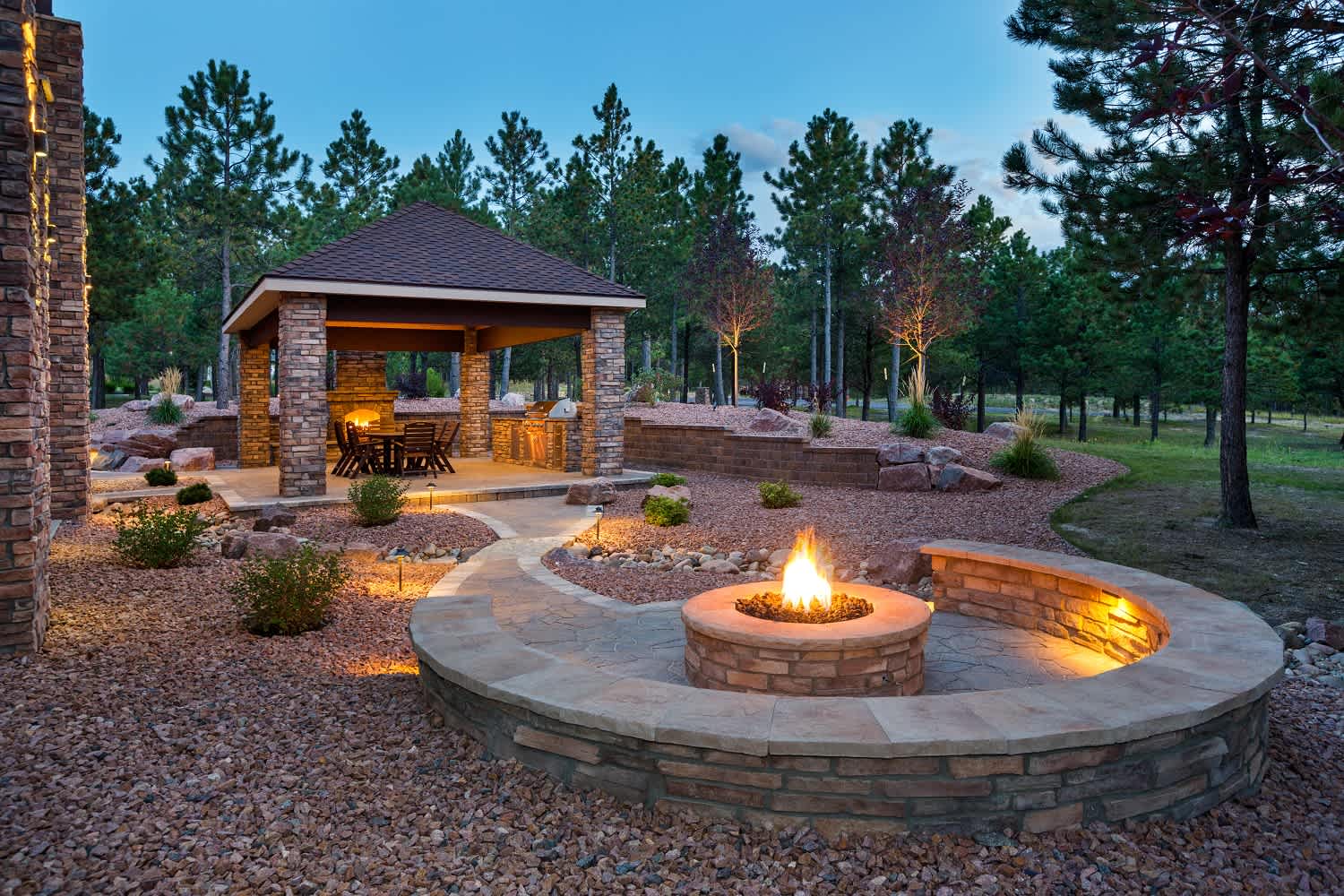




Top-rated fire pit installation pros.

Get matched with top fire pit installation pros in Chestertown, MD

Enter your zip and get matched with up to 5 pros

Need a pro for your fire pit installation project in Chestertown, MD?

Select your specific project to find the pro for you.

TRUSTED BY CHESTERTOWN, MD HOMEOWNERS

  • Average homeowner rating star icon4.4
    Average homeowner rating
  • Verified reviews icon35
    Verified fire pit installation services reviews

Find Fire pit installation pros in Chestertown

No results for Fire pit installation pro in

Try adjusting your search criteria.
Fire Pit Installation questions, answered by experts

No material is genuinely fireproof, so there’s no genuinely fireproof safe. Any material would break down if exposed to a hot enough temperature for long enough. That said, safes can withstand certain house fires. Manufacturers use the term “fireproof” synonymously with “fire resistant.”

Generally, an oil furnace is considered safer than a gas furnace for several reasons. While both types of furnaces can produce carbon monoxide, a leak in an oil furnace is easier to detect due to the smell. Oil furnaces also don't connect to a gas pipeline, which reduces the chance of a fuel leak. Most importantly, heating oil is not combustible, whereas natural gas is highly flammable. This means there is a much lower risk of combustion or explosion with an oil furnace. However, an oil furnace can still pose a fire hazard if it tips over.

A chimney requires both a cover and a cap, but these parts often get confused with one another. A chimney cover seals the top of the chimney around the flue pipe to prevent water from entering the chimney. A chimney cap is a piece that sits above the flue to prevent animals, debris, and water from entering the flue.

Attics often contain a mix of insulation, electrical wiring, and other materials that can pose fire risks. That’s why furnaces should be installed in the attic with proper insulation and clearance from combustible materials. Additionally, the furnace should be equipped with proper ventilation and heat shields to prevent the buildup of excessive heat in the attic space. Regular inspections and maintenance are also crucial to identify and address any potential fire hazards.

You should have either an ABC or K-rated fire extinguisher in the kitchen. ABC fire extinguishers put out wood, trash, paper, plastic, and textile fires along with grease, oil, gas, kerosene, and electrical fires. A class K fire extinguisher is specifically rated for use in the kitchen and is designed to extinguish combustible cooking materials, including grease and fat. 

The Chestertown, MD homeowners’ guide to fire pit installation services

From average costs to expert advice, get all the answers you need to get your job done.