




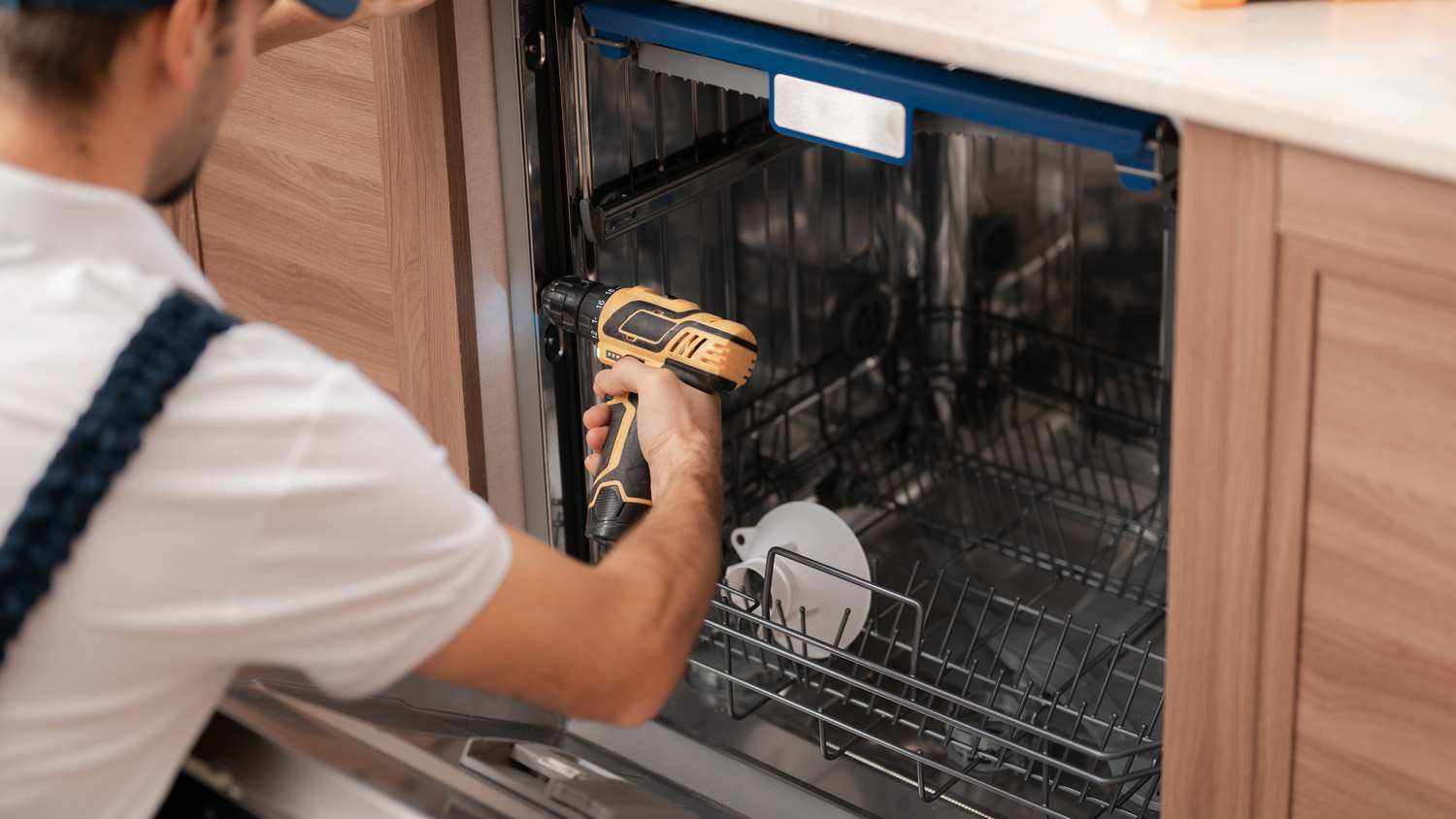
Top-rated dishwasher installation pros.

Best dishwasher installation pros near Carney, MD

Enter your zip and get matched with up to 5 pros

TRUSTED BY CARNEY, MD HOMEOWNERS

  • Average homeowner rating star icon4.5
    Average homeowner rating
  • Verified reviews icon812
    Verified dishwasher installation services reviews

Top-Rated Dishwasher installation pros in Carney - Updated Nov 2026

No results for Dishwasher installation pro in

Try adjusting your search criteria.
Dishwasher Installation FAQs, answered by experts

You should follow the instructions listed on the detergent packaging and in your dishwasher user manual. Often, this means inserting the tablet or pod into the detergent dispenser (and not in the bottom of the dishwasher). If you put the pod anywhere else, it might dissolve too early in the cycle and fail to clean your dishes properly.

Yes, a dishwasher needs an air gap to prevent backflow. Additionally, in many locations, air gaps or another measure to prevent backflow are required for building code compliance. There are alternatives to an air gap, like a Studor vent or a loop and trap design, but an air gap is the simplest and most popular solution.  

If the dishwasher is in working condition, start and run a complete cycle with nothing inside. Let it drain and sit overnight before removing the hoses. In theory, it should effectively drain. You may find residual water in the hoses, but you can plug them. If the dishwasher breaks down midcycle it can sometimes be full of water. You’ll need to manually remove the water with a plastic cup before removing the dishwasher.

Water is sitting at the bottom of your dishwasher, likely because the filter is dirty with food debris or because the drain hose has a clog. If the water is still sticking around after following the steps above, it’s time to contact a local plumber.

You should avoid using a pressure washer on any surface or item that could be damaged by the high-pressure spray, as some materials are too delicate to withstand the force.

Key items and surfaces to avoid include:

  • Electrical Components: Never pressure wash electrical systems, as water can cause short-circuits and create a safety hazard. This includes utility meters, breaker boxes, electrical outlets, generators, and HVAC or air conditioner units.

  • Delicate and Fragile Materials: Fragile items can crack, shatter, or be stripped by the pressure. Avoid pressure washing windows, glass, light fixtures, shingled roofs (especially asphalt), and stucco.

  • Painted, Stained, or Sealed Surfaces: Unless your goal is to strip the finish, do not pressure wash painted surfaces, stained wood (like decks), or anything with a protective seal that could be stripped away. Be especially cautious with older surfaces that may contain lead paint.

  • Soft Woods and Certain Decking: Delicate surfaces like softwood, composite decking, and antique or wooden patio furniture can be etched or damaged. If you must wash wood, use a lower-powered pressure washer with a wide-angle nozzle to prevent damage.

  • Living Things: Never use a pressure washer on people, pets, or plants. The force can cause serious injury and will destroy landscaping.

The Carney, MD homeowners’ guide to dishwasher installation services

From average costs to expert advice, get all the answers you need to get your job done.