







Top-rated fire pit installation pros.

Get matched with top fire pit installation pros in Franklin, MA

Enter your zip and get matched with up to 5 pros

Need a pro for your fire pit installation project in Franklin, MA?

Select your specific project to find the pro for you.

TRUSTED BY FRANKLIN, MA HOMEOWNERS

  • Average homeowner rating star icon4.6
    Average homeowner rating
  • Verified reviews icon560
    Verified fire pit installation services reviews

Find Fire pit installation pros in Franklin

No results for Fire pit installation pro in

Try adjusting your search criteria.
Fire Pit Installation questions, answered by experts

Attics often contain a mix of insulation, electrical wiring, and other materials that can pose fire risks. That’s why furnaces should be installed in the attic with proper insulation and clearance from combustible materials. Additionally, the furnace should be equipped with proper ventilation and heat shields to prevent the buildup of excessive heat in the attic space. Regular inspections and maintenance are also crucial to identify and address any potential fire hazards.

Pellet stoves burn compressed wood byproducts, making them very efficient and clean-burning. However, even efficient combustion still produces fine dust particles, which could have an effect on the health of vulnerable people in your household, such as infants and people with asthma. A wood stove pro can help determine whether the levels in your home are unsafe.

A fireplace hearth is necessary in most areas per building codes, especially for gas and wood-burning fireplaces. Electric fireplaces may not require a hearth, so check local building codes or ask a pro for guidance if you’re leaning toward electric. A fireplace hearth can decrease the risk of flying embers creating a fire and burning your home down. That’s why fireproof material, like tile, is used for the hearth.
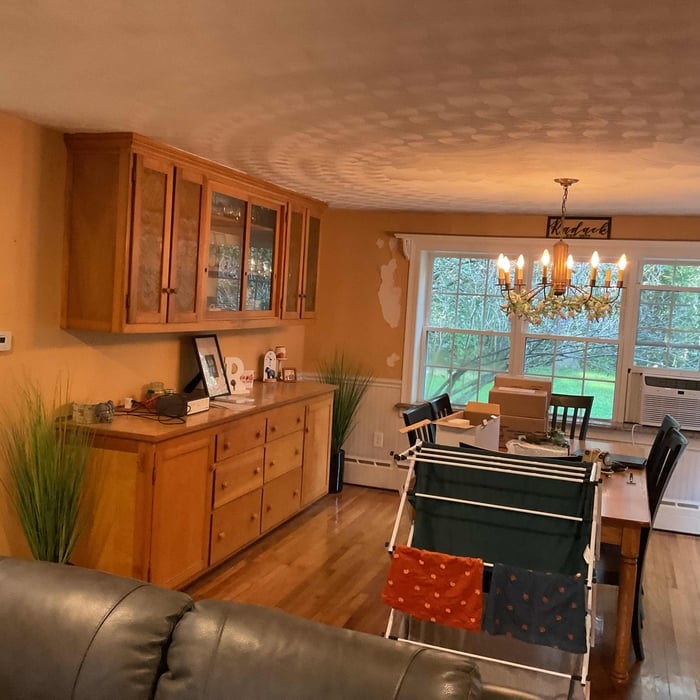
Yes, spider webs are flammable, taking them from minor household nuisance to something more dangerous. Silk boasts no built-in resistance to fire, though it takes an abundance of spider webs to actually catch fire and spread. A cobweb here and there poses no major fire safety risk, so it’s not a cause for concern.

Chimneys should either be sealed or waterproofed, which is different from sealing off—closing at both ends—a chimney. Waterproofing and sealing are both crucial steps to take to prevent water damage and the chimney leaking inside the house. While waterproofing is more comprehensive, both help safeguard your chimney, extending its life span and preventing expensive repairs. 

The Franklin, MA homeowners’ guide to fire pit installation services

From average costs to expert advice, get all the answers you need to get your job done.