

Top-rated electricians.

Best electricians near Fort Polk, LA

Enter your zip and get matched with up to 5 pros

Need a pro for your electrical service project in Fort Polk, LA?

Select your specific project to find the pro for you.

TRUSTED BY FORT POLK, LA HOMEOWNERS

  • Average homeowner rating star icon4.7
    Average homeowner rating
  • Verified reviews icon68
    Verified electrical services reviews

Top-Rated Electricians in Fort Polk - Updated Nov 2026

Avatar for Corrigan, LLC
Corrigan, LLC
4.8(
25
)
Lightning Protection - Install or Repair

Serving Fort Polk, LA and surrounding areas

Approved

In business since 1954

Free estimates

Emergency services offered

"John Corrigan and his sons are outstanding! They did outstanding work installing our lighting rods at a reasonable price. They were prompt, very professional and honest. I would call them again and recommend them to anyone."
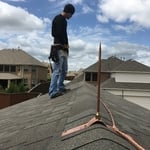
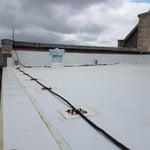
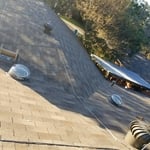
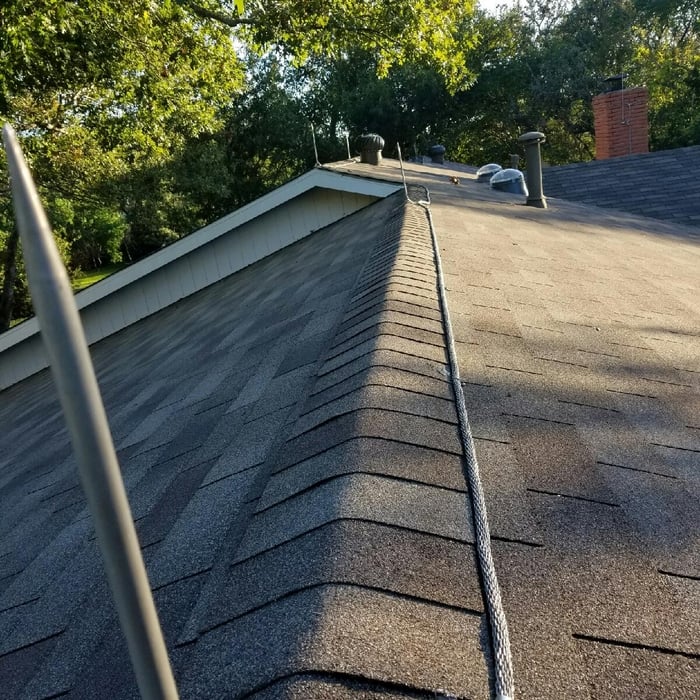
Shingle roof air terminal
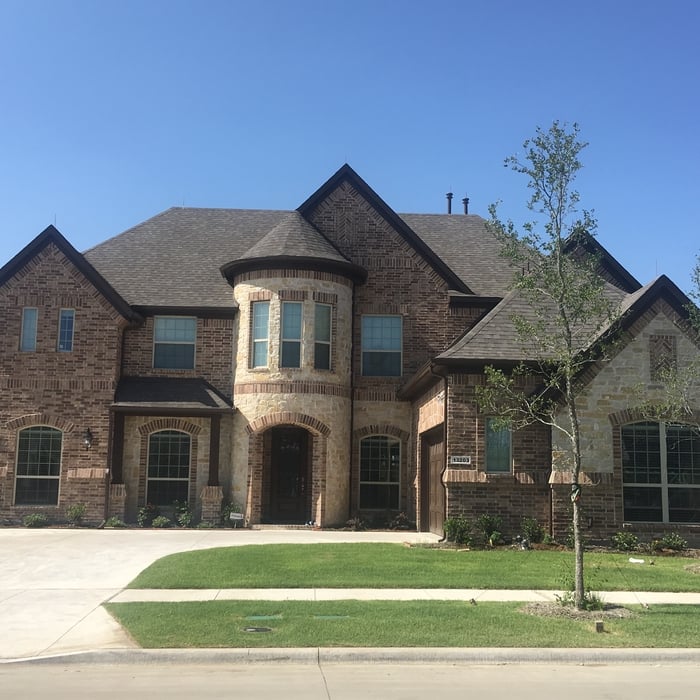
Residential 1
Residential Spanish tile
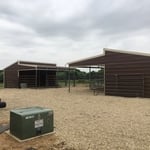
Horse stable
Residential 2

+23

Response time1 day
17 neighbors recently requested a quote

Recommended by100%of homeowners
Avatar for Tri-State Water, Power & Air
Tri-State Water, Power & Air
4.4(
5
)
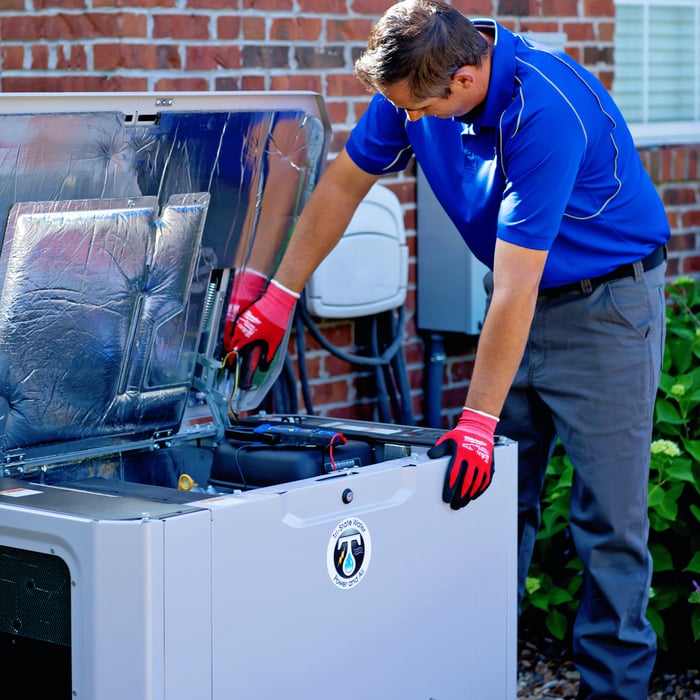
Fixed Generator - InstallGenerator - InstallGenerator - Install - For Business

Serving Fort Polk, LA and surrounding areas

Approved (Corporate)

In business since 1992

Free estimates

Emergency services offered

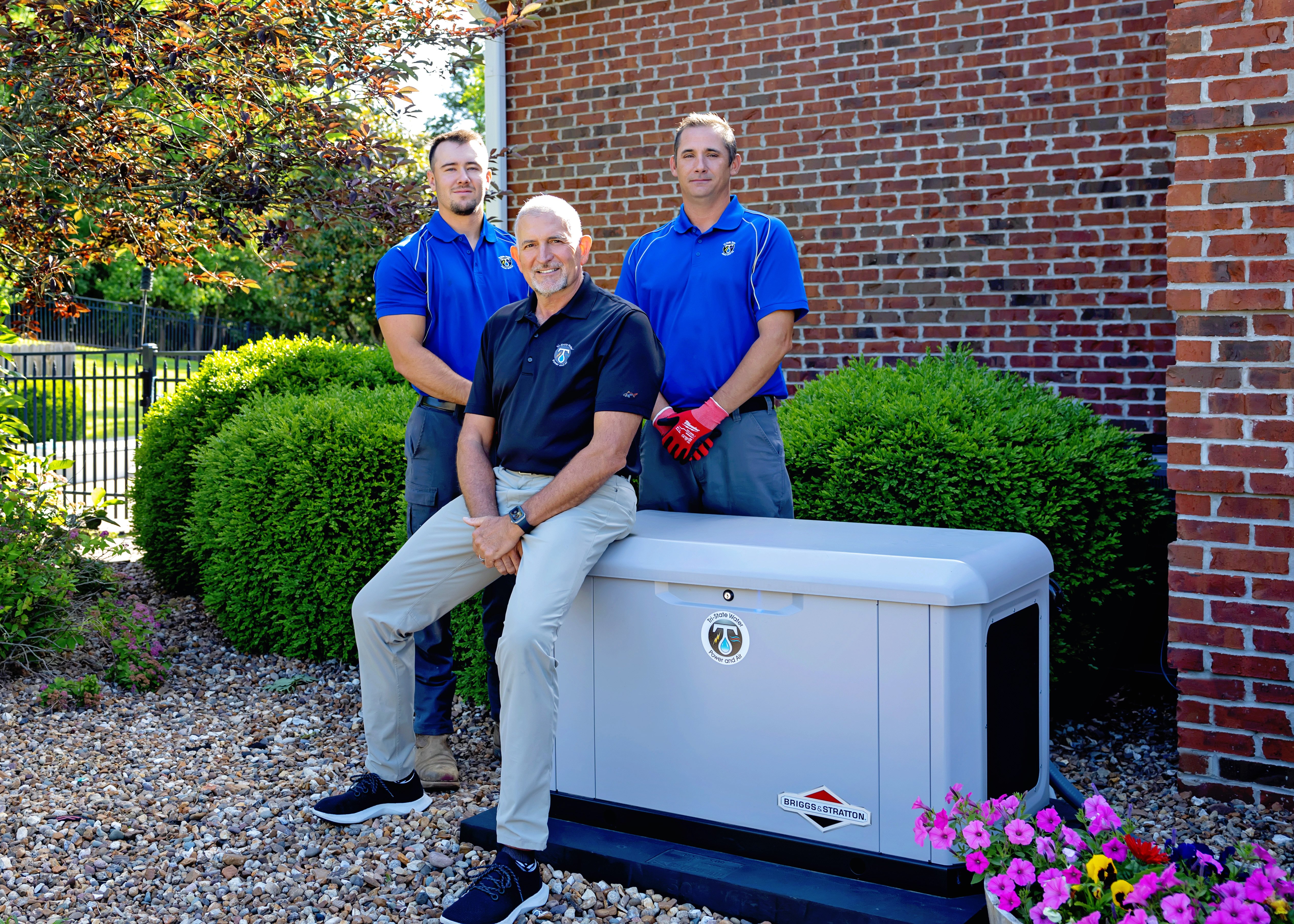
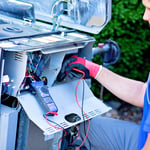
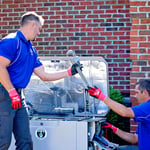
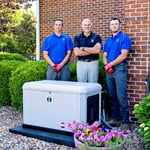
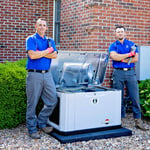
We are the experts in the field of Whole Home Generator Sales and Installation, with over 20 years of experience in the game. We provide turn-key installation by licensed professionals - 24 hour emergency service - Remote Monitoring - Long term maintenance and service by factory trained technicians.

Additional Photos
Additional Photos
Additional Photos
Additional Photos
Additional Photos

+2

136 neighbors recently requested a quote

Avatar for 4LP, LLC
4LP, LLC
3.9(
11
)
Lightning Protection - Install or Repair

Serving Fort Polk, LA and surrounding areas

Approved

In business since 1996
Free estimates

Customers say: Quick response

"Very professional Sales and installation staff. No pressure sales here. They did not try to oversell product that were not necessary for our situation. The installation crew worked quick. The install was neat and professional."
Side View
Front View
Front View
Balcony View
River View

+3

Recommended by100%of homeowners
...
Showing 1-10 of 82
Electrical FAQs, answered by experts

Upgrading your electrical system can save you money on your monthly utility bills by powering your home more efficiently. Electrification nonprofit Rewiring America estimates that a household could save $1,800 per year on energy bills by upgrading to a modern electric heat pump, switching to a heat pump for their water, installing solar panels on the roof, and converting to an electric vehicle.

The easiest and best way to power your outdoor lights is with the use of outdoor outlets. Most building codes now require exterior outlets in homes, so you likely already have outdoor outlets available to plug into. However, you can have these outlets installed if your space doesn’t currently include them.

Window ACs use 500 to 1,400 watts per hour of electricity, while mini-splits use 500 to 700 watts per hour. However, if you need to cool multiple zones in your house, your mini-split can use as much as 2,000 watts per hour. How often you run your system will impact how much electricity you use (and how much you pay per month).

It might seem tempting to use 14-gauge wires for your outlets, as they can run a little cheaper. But, when it comes to electrical work, it’s best not to cut costs less you overload your circuit. A 12-gauge wire will ensure that you’re protecting the outlet (and your circuit breaker) from any potential overloads that might incur, as it can handle a little more amplitude than a 14-gauge wire.

How far you can run underground electric depends on the wire gauge (generally AWG) and the circuit voltage. Too much voltage drop in an electrical circuit can negatively affect performance, so the smaller the voltage drop, the better. Ideally, it shouldn't exceed 3%. The smaller the wire and the longer the run, the more significant the voltage drop. 

For example, with a 120-volt circuit, you can run 60 feet of 12 AWG cable without losing more than 3% voltage. With a 240-volt circuit, you can run 120 feet of 12 AWG wire while maintaining a voltage drop of 3% or less.

The Fort Polk, LA homeowners’ guide to electrical services

From average costs to expert advice, get all the answers you need to get your job done.