




Top-rated lawn irrigation specialists.

Get matched with top lawn irrigation specialists in Pride, LA

Enter your zip and get matched with up to 5 pros

Find Lawn irrigation specialists in Pride

Avatar for Turf Bros LLC
Turf Bros LLC
5.0(
6
)
Lawn and Garden Sprinkler System - InstallLawn and Garden Sprinkler System - Install - For BusinessLawn and Garden Sprinkler System - Repair+2 more

Serving Pride, LA and surrounding areas

In business since 1996

Free estimates

Credit card accepted

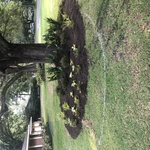
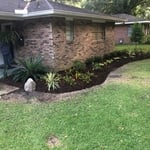
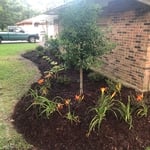
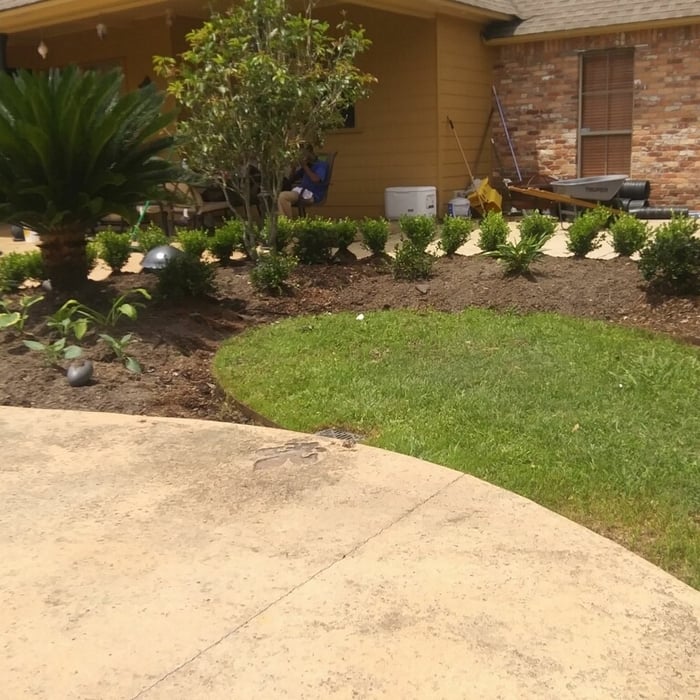
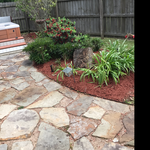
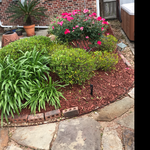
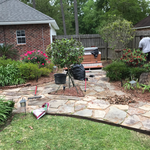
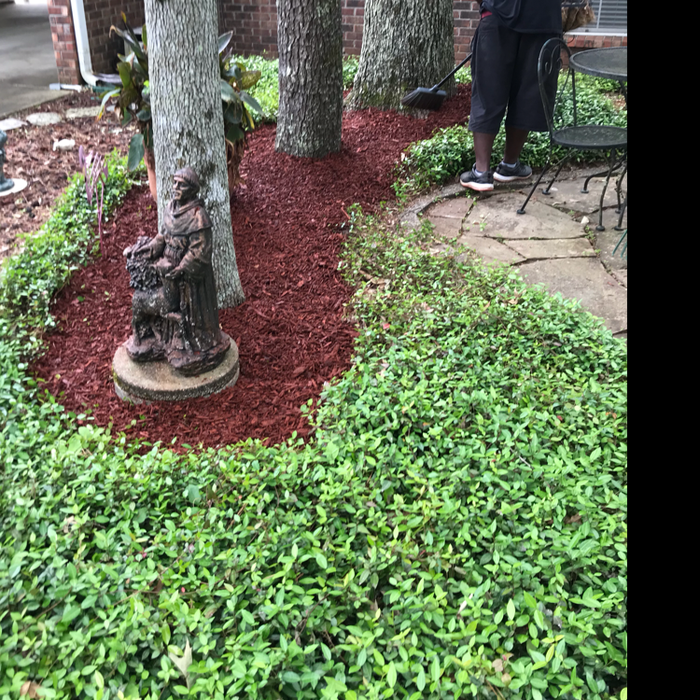
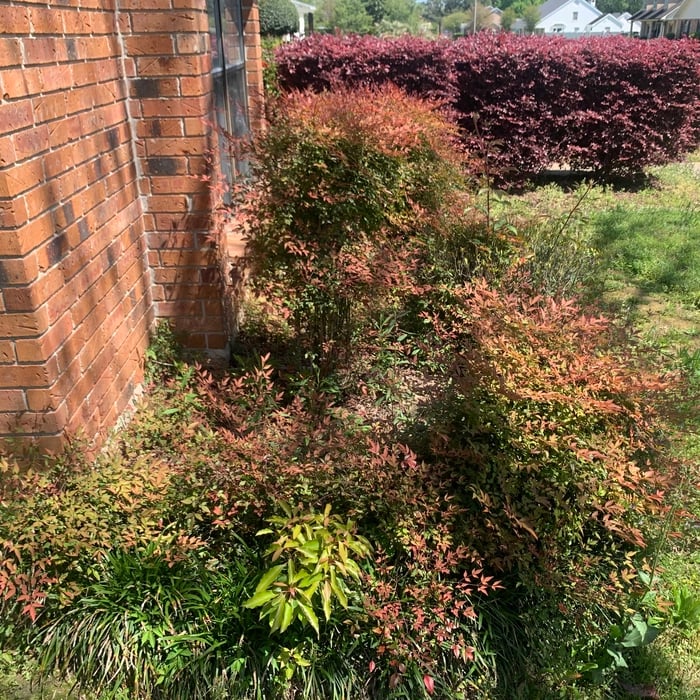
"I am incredibly pleased to have hired Turf Bros to revitalize and beautify our landscaping. Rhasean and his team did an impeccable job manicuring our rose bushes, flower beds, and overall lawn maintenance. He is highly professional, honest, and a delight to do business with. I would highly recommend his service to anyone who is particular and wants extraordinary landscape and or lawn care services."
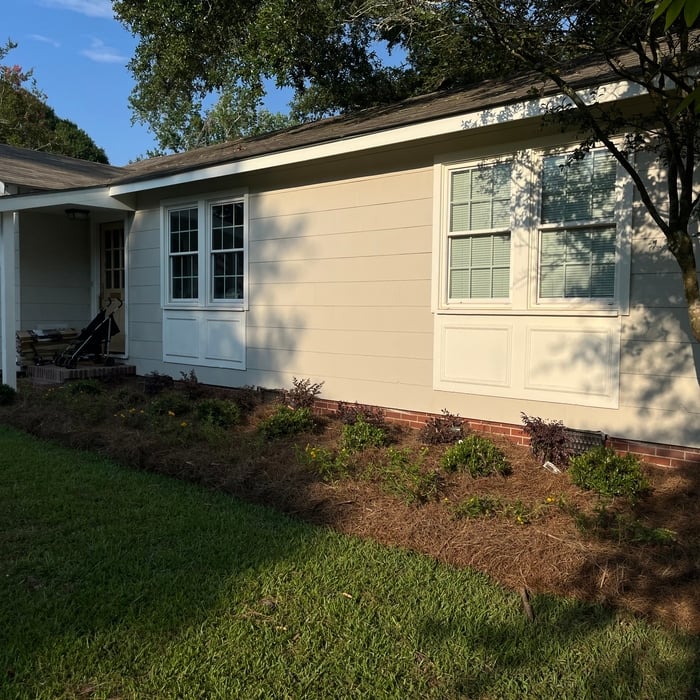
Landscaping Project
Proposed Design
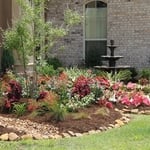
Landscaping Project
Install per design
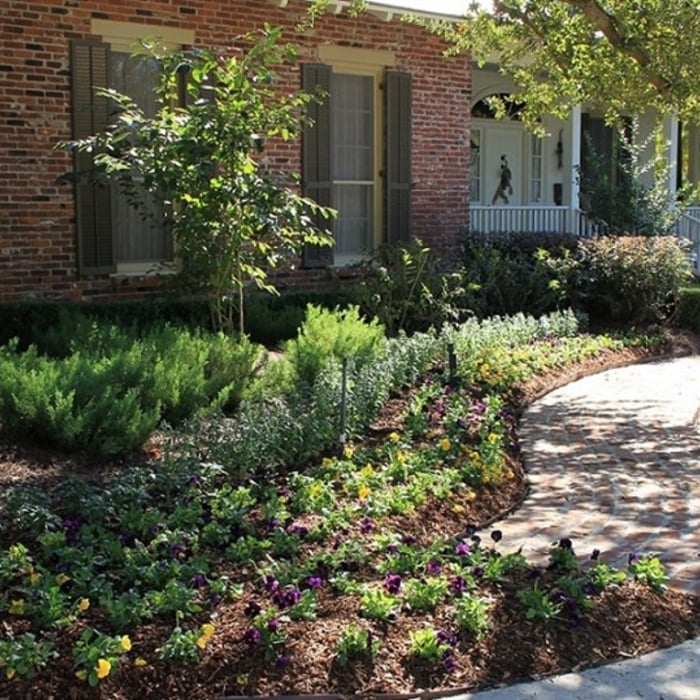
Landscaping Project

+8

Recommended by100%of homeowners
Showing 1-10 of 28
Lawn Irrigation questions, answered by experts

Reseeding your lawn can help eliminate thin or patchy portions of grass. If you’re paying a professional to aerate your lawn, it’ll cost you an additional $50 to $80 on average to reseed it  in the same trip. Reseeding a lawn yourself can cost between $500 to $1,000, meaning you’ll probably save time and money hiring a professional service. 

The best grass type for shady areas depends on your region, your preferences, and your yard’s microclimate. Overall, the best cool-season grass for shade is ryegrass or tall fescue, while the best warm-season grass for shade is St. Augustine. But again, this can depend on what you’re looking for in the grass. The best grass for your shady yard might be one that looks good to you, one that tolerates high foot traffic, or grass with other characteristics that make it fit your lawn needs. 

Yes, grass will regrow after forestry mulching, but the timeline depends on soil conditions, mulch thickness, and existing seed banks. The nutrient-rich mulch left behind helps retain moisture and improve soil health, encouraging regrowth. However, if the mulch layer is too thick, it may block sunlight and slow grass germination. For faster results, you can rake excess mulch, aerate the soil, and plant the new grass seeds.

Soaking grass seeds in water before seeding is called pre-germinating. It’s not necessary but can be very helpful in some cases. Some grasses like are very slow to germinate, and basic seeding on the ground is unlikely to be effective—that’s especially true of cool season grasses like Kentucky bluegrass, rye grasses, and Bermuda grass. Soaking these seeds in a bag or bin of water for one to four days beforehand can give the grass the start it needs to survive.

Adding seed to existing grass is often known as overseeding, as opposed to reseeding. Reseeding refers to the process of filling in bare or dying patches of lawn—or in some cases, full lawns—whereas reseeding supports existing lawns to prevent thinning. Overseeding is an ideal annual lawn care practice for grass fighting drought, disease, weeds, or pest issues.
The Pride, LA homeowners’ guide to lawn irrigation services

From average costs to expert advice, get all the answers you need to get your job done.