

Top-rated excavation pros.

Get matched with top excavation pros in Clarks, LA

Enter your zip and get matched with up to 5 pros

Need a pro for your excavation project in Clarks, LA?

Select your specific project to find the pro for you.

Find Excavation pros in Clarks

Avatar for Dumpster Dog
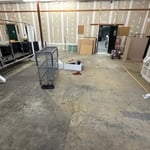
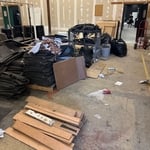
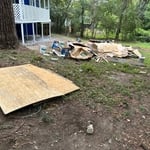
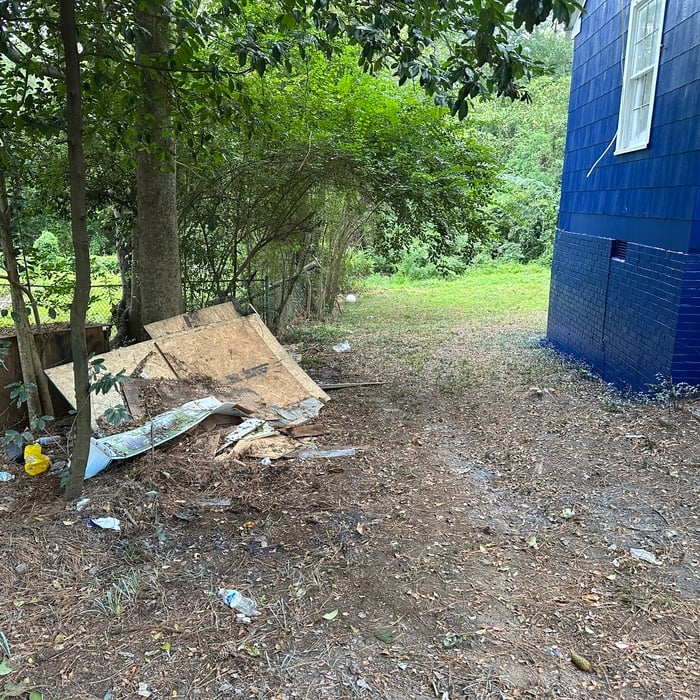
Dumpster Dog
5.0(
10
)
Building Site - Preparation and Clearing

Serving Clarks, LA and surrounding areas

Approved

In business since 2023

Free estimates

Credit card accepted

"This is hands-down the best company Iâ  ve ever seen theyâ  re quick to respond. They do what they say theyâ  re going to do for the best price."
Junk Removal
Junk Removal
Junk Removal
Junk Removal
Junk Removal

+16

Response time10 hrs
50 neighbors recently requested a quote
Recommended by77%of homeowners

Avatar for Drake Aggregates
Drake Aggregates
5.0(
2
)
Building Site - Preparation and ClearingBuilding Site - Preparation and Clearing - For BusinessExcavation - Major Grading or Resloping+1 more

Serving Clarks, LA and surrounding areas

Approved

In business since 2013

Free estimates

Emergency services offered

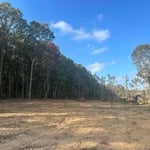
"A cemetery from the 1800s was grown up in brush, trees, large trees that had fallen and lost within over grown woods. They completely cleared the entire area without disturbing any of the graves. They walk through mark each grave before they started removing one tree at a time. They done a excellent job restoring Lambert Cemetery.."
5 neighbors recently requested a quote
Showing 1-10 of 48
Excavating questions, answered by experts

Depth is not a qualifying component of evacuation. Any human-made cut, cavity, or depression in the earth’s surface is considered excavation. The hole from excavation can be any size, shape, or depth. Excavation is used to create foundations, reservoirs, drainage ditches, and roads. Long, narrow excavations are called trenches and are often used for underground utilities.

Most residential basements are 8 to 10 feet deep. You can dig deeper depending on building codes, but it does become more difficult. You’ll likely need to install stronger foundation walls and additional supports to handle the increased load. Depending on the water table, you may also need a water management system. Clay soil can support a deeper foundation than sandy soil. A structural engineer will be able to tell you the maximum, feasible depth.

There is no standard depth for burying a septic tank; they are typically buried anywhere from 4 inches to 4 feet underground. The final depth depends on several factors, including the depth of your main sewer line, the height of the bedrock, soil type, local regulations, and the property's landscape. If you plan to grow grass or plants over the tank, a depth of at least 4 to 6 inches is recommended. Deeper tanks can be more difficult to locate, but a septic professional can help find it for you.

We recommend removing the stump, and grinding is a popular way to do it. You can also dig out small stumps or stumps that have fully decayed instead of grinding them. However, don’t try using acids or fire for killing a tree stump, which is a fire hazard and illegal in many areas.

Leaving the stump alone invites eventual problems, including attracting termites, mold, and fungi.

The best way to protect tree roots is to avoid the roots entirely by excavating outside the root radius of the tree. For nearby projects, it’s a good idea to construct a temporary retaining wall. But that’s not always possible, depending on the project and the root system. In these cases, consider using alternative equipment like an auger to tunnel under the ground.

Remember, tree roots can damage nearby cement foundations as they grow. If a tree is close enough to interfere with large excavations, it may be better to remove the tree than risk future problems.

The Clarks, LA homeowners’ guide to excavation services

From average costs to expert advice, get all the answers you need to get your job done.