





Top-rated excavation pros.

Get matched with top excavation pros in Rayville, LA

Enter your zip and get matched with up to 5 pros

Need a pro for your excavation project in Rayville, LA?

Select your specific project to find the pro for you.

Find Excavation pros in Rayville

Avatar for JW&C OUTDOOR SOLUTIONS LLC
JW&C OUTDOOR SOLUTIONS LLC
5.0(
3
)
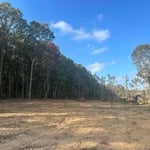
Building Site - Preparation and ClearingBuilding Site - Preparation and Clearing - For Business

Serving Rayville, LA and surrounding areas

Approved

In business since 2025

Free estimates

Emergency services offered

"Professional from beginning to end one phone call understood the job and saw what needed to be done . Received the phone call after with the estimate. Easy planning scheduling for the job to be done. Got it done on time and with any subcontractor, I have make sure they get paid on time. Like working with this company and will look forward to future working with them as I come across Project to complete."
Tree removal
1 neighbors recently requested a quote
Showing 1-10 of 46
Excavating questions, answered by experts

Landscape edging is more DIYable than trenching. You can DIY your own digging projects, but proceed carefully and only with proper knowledge of the equipment and appropriate safety measures in place. Keep in mind the project's scope and estimate how long it will take you to do it on your own. While you can certainly save money by DIYing home improvement projects, you can’t exactly hide an unfinished—or worse, ruined— landscaping job from the neighbors. It’s always safer to call an excavation pro near you to get an estimate.

Depth is not a qualifying component of evacuation. Any human-made cut, cavity, or depression in the earth’s surface is considered excavation. The hole from excavation can be any size, shape, or depth. Excavation is used to create foundations, reservoirs, drainage ditches, and roads. Long, narrow excavations are called trenches and are often used for underground utilities.

A walk-behind trencher can cut through roots as long as they’re not too thick, making a project much easier than digging with a shovel and other hand tools. Assess your terrain and the number of trees in the surrounding area to determine if a walk-behind trencher will ease the job. Digging a trench by hand is much more time-consuming and labor-intensive. 

Most residential basements are 8 to 10 feet deep. You can dig deeper depending on building codes, but it does become more difficult. You’ll likely need to install stronger foundation walls and additional supports to handle the increased load. Depending on the water table, you may also need a water management system. Clay soil can support a deeper foundation than sandy soil. A structural engineer will be able to tell you the maximum, feasible depth.

Prior to excavation, you should prepare the dig site and call 311 before you sign anything.

To get your site ready for excavation, you should move anything in the area that isn’t affixed to the land. You can save money on the excavation by removing hardscaping, including walkways, decks, concrete patios, and paver patios.

Before you carry out any digging, you should call 311 to confirm that there are no utility lines running through your excavation site. Skipping this step could lead to severe injury and property damage if your excavator hits a water, sewage, or gas line.

The Rayville, LA homeowners’ guide to excavation services

From average costs to expert advice, get all the answers you need to get your job done.