



Top-rated excavation pros.

Get matched with top excavation pros in Mangham, LA

Enter your zip and get matched with up to 5 pros

Need a pro for your excavation project in Mangham, LA?

Select your specific project to find the pro for you.

Find Excavation pros in Mangham

Avatar for Dumpster Dog
Dumpster Dog
5.0(
10
)

Serving Mangham, LA and surrounding areas

Approved

In business since 2023

Free estimates

Credit card accepted

"This is hands-down the best company Iâ  ve ever seen theyâ  re quick to respond. They do what they say theyâ  re going to do for the best price."

Junk Removal
Junk Removal
Junk Removal
Junk Removal
Junk Removal

+16

Response time10 hrs
36 neighbors recently requested a quote
Recommended by77%of homeowners

Avatar for Parks Land Services, LLC
Parks Land Services, LLC
5.0(
2
)

Serving Mangham, LA and surrounding areas

Approved

In business since 2025

Free estimates

Offers commercial services

"David Parks and his team removed some trees that had fallen during one of the hurricanes. Our yard was undisturbed by his equipment, and David was able to remove all evidence of debris from the storm. You can trust the Parks Land Service team to treat your property as their own and leave it better than they found it."
Response time1 day
4 neighbors recently requested a quote
Avatar for Davis Excavation & Trucking
Davis Excavation & Trucking
5.0(
1
)

Serving Mangham, LA and surrounding areas

Approved

In business since 2024

Free estimates

"Showed up early, worked late, always stayed in communication with me. Even double checked to make sure it was just what i wanted. Got everything i wanted done in a reasonable time. And game back after rain to do touch of to make sure water drained perfectly. Id highly recommend"
Showing 1-10 of 47
Excavating questions, answered by experts

There are several methods to hollow out a tree stump, and the best one depends on your tools, experience, and priorities. Common methods include using a chisel and hammer, a chainsaw, or burning.

  • Chisel and Hammer: This is often considered the easiest approach for those with limited tools or experience, though it is the most time-consuming.

  • Chainsaw: Using a chainsaw is the fastest method, but it comes with significant safety risks, especially for inexperienced users.

  • Burning: This can be an effective method, but it is not recommended unless you can first drill holes into the stump. Without holes, the stump will be difficult to light and may not burn completely through.

A power drill with at least a ⅜-inch diameter bit can make the job quicker and easier, regardless of the primary method. While you can use a chisel or chainsaw without a drill, it will require more time and effort. Always wear protective goggles and thick gloves, as splinters are an inevitable risk.

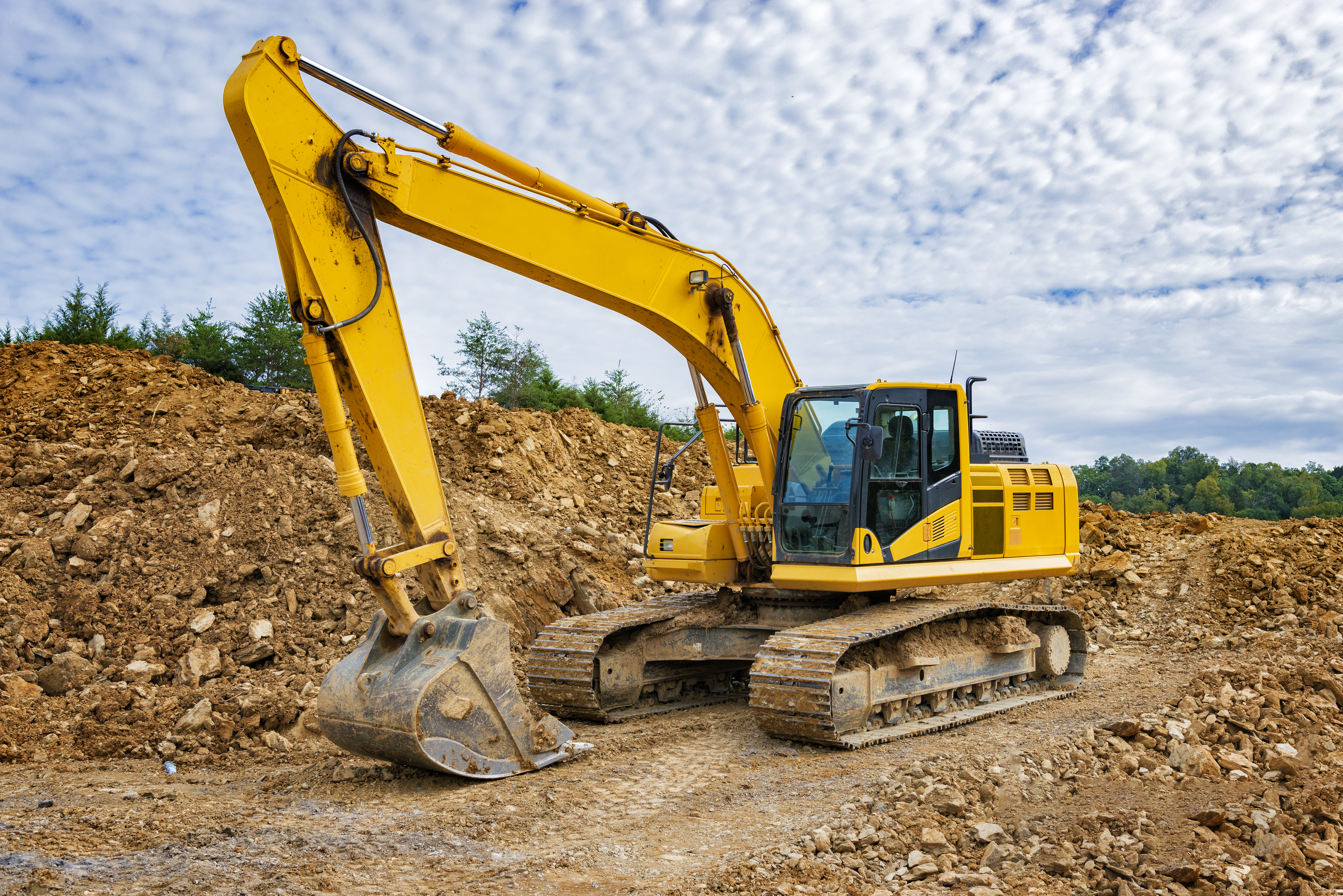
A mini excavator can dig between 5 and 11 feet deep, depending on the type and size of the mini excavator. Mini hydraulic excavators are more powerful and can reach deeper into the earth, but electric models have a more limited range. Mini excavators over two tons in size are also more powerful and able to dig as deep as 11 feet.

A trench that is less than 5 feet deep often doesn't require a protective system. Most residential trenches will not go this deep (the typical residential drainage trench is just 18 inches deep). In the event that an excavator needs to dig more than 5 feet beneath the surface, a protective system is required unless the excavation is in entirely stable rock.

The average cost of excavation is approximately $3,200, with typical projects ranging from $500 to $15,000. Depending on the contractor, you may be charged between $50 and $200 per cubic yard or an hourly rate of $40 to $180 for an excavation specialist. The total cost is influenced by several factors, including the project size, the amount of soil to be removed, and the soil's condition. Hard soil, tree roots, or excessive rocks and clay can increase the price, potentially adding $200 to $1,200 to the final bill. Other factors that can drive up costs include the presence of nearby structures that complicate the work or tight spaces that require manual excavation instead of heavy machinery.

The digging depth will depend on the size of the trencher you use. Even smaller units can dig up to 4 feet deep, which is plenty for a DIY job. However, much larger trenchers can reach a depth of 18 feet and are better used by a team of pro contractors, not a single DIYer. As with all home improvement projects, use the right tool for the job and proceed with caution.

The Mangham, LA homeowners’ guide to excavation services

From average costs to expert advice, get all the answers you need to get your job done.