





Top-rated excavation pros.

Get matched with top excavation pros in Wallace Ridge, LA

Enter your zip and get matched with up to 5 pros

Need a pro for your excavation project in Wallace Ridge, LA?

Select your specific project to find the pro for you.

Find Excavation pros in Wallace Ridge

Avatar for Dumpster Dog
Dumpster Dog
5.0(
10
)
Building Site - Preparation and Clearing

Serving Wallace Ridge, LA and surrounding areas

Approved

In business since 2023

Free estimates

Credit card accepted

"This is hands-down the best company Iâ  ve ever seen theyâ  re quick to respond. They do what they say theyâ  re going to do for the best price."
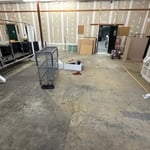
Junk Removal
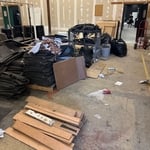
Junk Removal
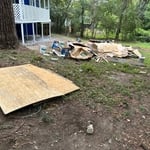
Junk Removal
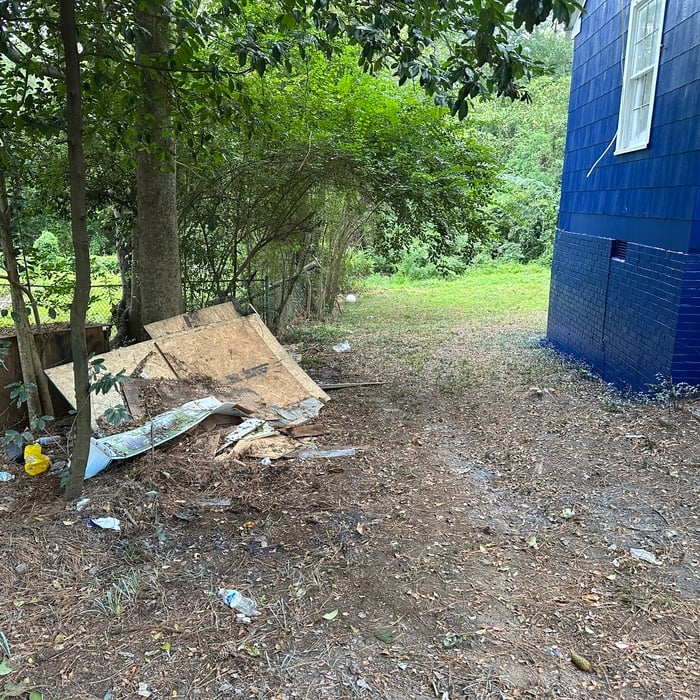
Junk Removal
Junk Removal

+16

Response time10 hrs
47 neighbors recently requested a quote
Recommended by77%of homeowners

Mettech Excavating
3.9(
4
)
Excavation - Major Grading or ReslopingExcavation - Major Grading or Resloping - For BusinessLandscape - Minor Grading or Resloping

Serving Wallace Ridge, LA and surrounding areas

In business since 2010

Free estimates

Credit card accepted

"Hired to fill in my inground pool, they were fast, efficient, very reasonable with pricing and super friendly! Highly recommend and will keep speaking of how great my experience was!"
Response time3 hrs
Response rate100%
Recommended by100%of homeowners
Showing 1-10 of 48
Excavating questions, answered by experts

The average cost for pool excavation is $2,500. This cost can range from $450 to $4,500, depending on the pool shape and size, time of year, and any need to move buried utilities. 

When excavating for your pool, you might have to move existing utilities. You can expect to pay an additional $15 to $25 per linear foot to move gas lines. To move a septic system, it’ll cost an additional $2,000 to $20,000. A pool that is 10 feet by 12 feet averages $450 to excavate, and a 20-foot-by-40-foot pool averages $3,020.

A trench that is less than 5 feet deep often doesn't require a protective system. Most residential trenches will not go this deep (the typical residential drainage trench is just 18 inches deep). In the event that an excavator needs to dig more than 5 feet beneath the surface, a protective system is required unless the excavation is in entirely stable rock.

The best method for digging a trench depends on the scope of the project. For a short, shallow trench (less than 2 feet deep) in light, soft soil, digging by hand may be sufficient. However, digging by hand is labor-intensive, so consider the effort required. A machine trencher is the better option for longer trenches (over 100 feet), deeper ones, or when dealing with difficult soil conditions, such as rocky or hard ground, or obstructions like tree roots. A machine can save significant time and energy in these situations.

Drilled wells have a pipe sticking up that’s covered in a plastic or metal casing. On the other hand, a dug well will look like a big hole in the ground and is more similar to what you’d see in a fantasy or Western movie. If you want to be sure, contact the city for documentation on your property’s construction and excavation history. 

Skunk digging looks like a series of small, cone-shaped holes on a lawn or around the perimeter of a home, porch, deck, or shed. The holes that skunks dig when searching for grubs tend to be no more than four inches in diameter and may be up to four inches deep.

The Wallace Ridge, LA homeowners’ guide to excavation services

From average costs to expert advice, get all the answers you need to get your job done.