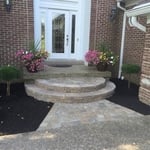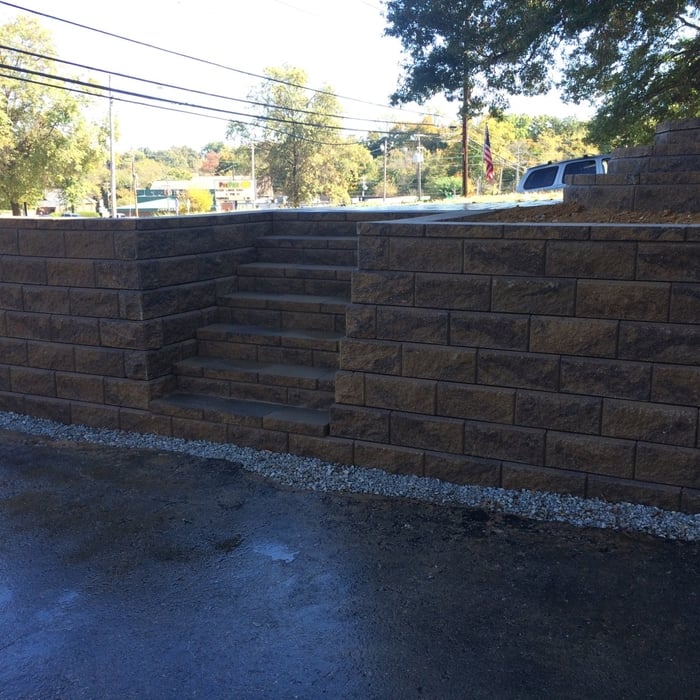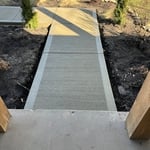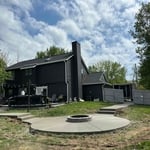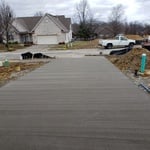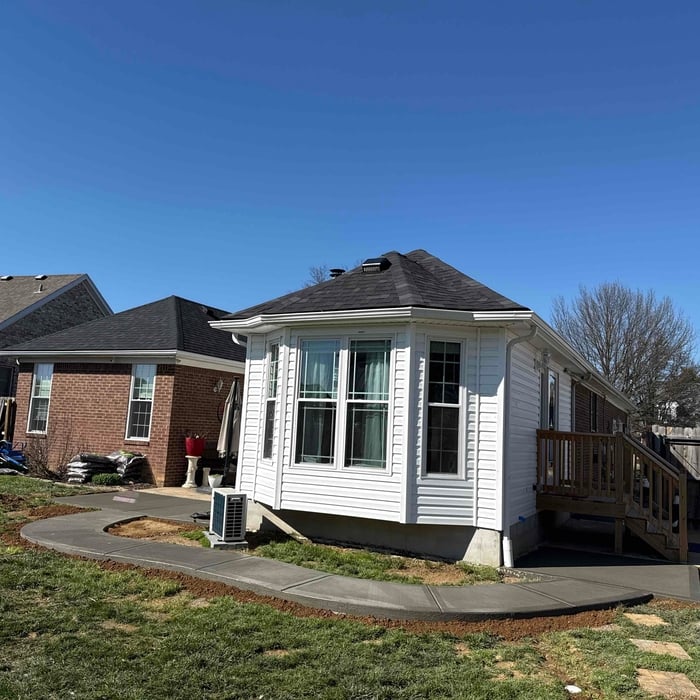

Top-rated paving pros.

Best paving pros near Rolling Hills, KY

Enter your zip and get matched with up to 5 pros

Need a pro for your paving service project in Rolling Hills, KY?

Select your specific project to find the pro for you.

TRUSTED BY ROLLING HILLS, KY HOMEOWNERS

  • Average homeowner rating star icon4.3
    Average homeowner rating
  • Verified reviews icon306
    Verified paving services reviews

Top-Rated Paving pros in Rolling Hills - Updated Nov 2026

Avatar for JVE Renovation
JVE Renovation
5.0(
10
)
Interlocking Pavers for Patios, Walks & Steps - Install

Serving Rolling Hills, KY and surrounding areas

Approved

Super Service Award Winner

In business since 2013

Free estimates

Warranties offered

"Excellent service and quality, and very timely. A very professional team helped us with new ideas. We are very satisfied. Thank you guys for your service and understanding what we needed during the remodel."
Pavers
Pavers
Pavers
Retaining wall
Outdoor kitchen

+6

Response time10 hrs
Response rate94%
4 neighbors recently requested a quote
...
Showing 1-10 of 160
Paving Services FAQs, answered by experts

After removing existing moss, consider using paver blocking sand to fill the joints. This specialty material hardens once placed and serves as an effective barrier against moss and weeds. From there on, regularly clean your pavers and try to keep them dry. You can also seal your paver as a semi-permanent solution — just make sure you reseal every 3 to 5 years.

Maintaining a driveway depends on its material. For concrete and asphalt, it's best to clean the surface thoroughly twice a year with a stiff broom and a pressure washer to remove accumulated dirt and debris. Sealing the driveway is crucial to protect it from water damage and freeze-thaw cycles. Before applying a sealant, pressure wash the surface to remove any loose sealant, dirt, or stains, as sealing over them will trap them. Any cracks or expansion joints should be filled with a flexible polyurethane caulk or asphalt sealer. In colder climates, use sand instead of salt for de-icing. Sand helps melt snow and ice without accelerating the freeze-thaw process, which can cause cracks.

You can pour concrete over asphalt if it’s in good condition, thick, stable, and well-compacted. Concrete is more durable than asphalt and can extend the lifetime of your driveway without having to pay frequent asphalt driveway repair costs or replace it completely. 

But this is best reserved as a temporary solution based on budget restraints, as asphalt requires more frequent repairs and assessments than concrete. Once that concrete top is poured, it’ll be harder to accurately understand what’s happening beneath that layer, which could lead to more issues.

In most cases, you don’t need a permit to repave your driveway, although some exceptions exist. If you’re widening your driveway and plan on widening the apron as well, you’ll usually need a permit from the Department of Transportation in your area. This permit costs between $50 and $300 in most cases. Most municipalities will also require a certified and insured contractor do the work relating to the apron and curb cut. You can contact your building department or ask your paving company if you need a permit. Your driveway professional will usually pull the permit for you.

Asphalt and tarmac are not the same thing. Traditional tarmac, short for tarmacadam, uses tar as a binder to hold crushed stone together. Asphalt uses bitumen—a byproduct of crude oil—to bind aggregate. Though tarmac was once a go-to for roads, asphalt has become the modern standard. And these days, most surfaces referred to as “tarmac” are actually asphalt. So, while the names may overlap, the key distinction lies in the binder—tar for tarmac and bitumen for asphalt.

The Rolling Hills, KY homeowners’ guide to paving services

From average costs to expert advice, get all the answers you need to get your job done.