

Top-rated radon detection and reduction specialists.

Best radon detection and reduction specialists near Jamestown, KY

Enter your zip and get matched with up to 5 pros

Need a pro for your radon detection and reduction project in Jamestown, KY?

Select your specific project to find the pro for you.

Top-Rated Radon detection and reduction specialists in Jamestown - Updated Nov 2026

Sager Environmental
New to Angi
Radon Gas - Testing

Serving Jamestown, KY and surrounding areas

In business since 2016

Free estimates

Sager Environmental, has a single mission, which is to achieve complete customer satisfaction. We strongly believe in giving our customers the most for their money. We work with only the highest quality materials and experienced professionals. With over 20 years of experience, we have consistently focused on the needs of our customers, providing personalized attention and a stress free experience. This approach has set us apart from our competition and keep our customers coming back. Give us a call today!

Radon Detection and Reduction FAQs, answered by experts

No, air purifiers are not an effective way to reduce or remove radon. Radon is a radioactive, inert gas that cannot be filtered by standard air purifiers, which are designed to capture particulates like dust and mold. While an air purifier can improve indoor air quality by removing other pollutants, it should not be relied upon for radon. The only effective solution for high radon levels is a dedicated radon mitigation system.

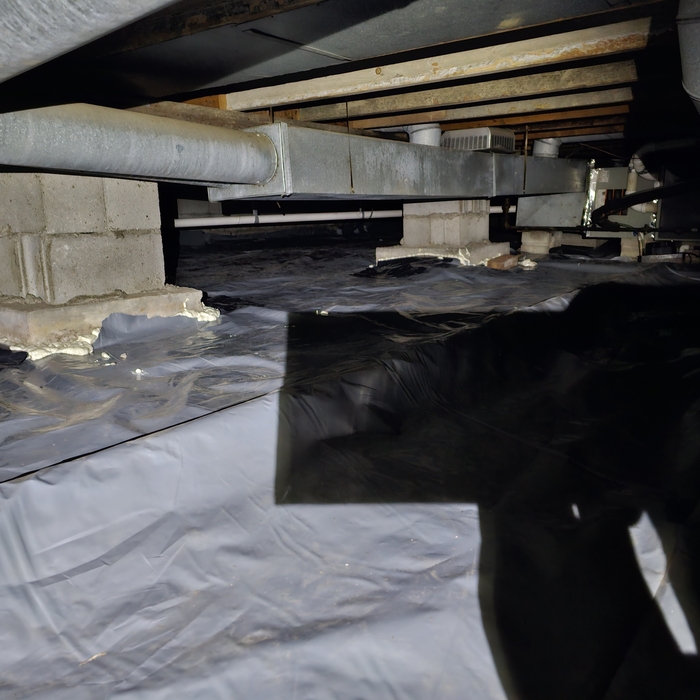
The cost for a radon mitigation system typically ranges from $800 to $1,500, with an average around $1,000. The final price depends on several factors, including the size of your home, the severity of the radon issue, and the type of system required. Your home's foundation type also significantly impacts the cost. For example, sealing and ventilating an unfinished basement might cost around $4,600, while encapsulating a crawl space without a foundation slab can range from $1,500 to $15,000.

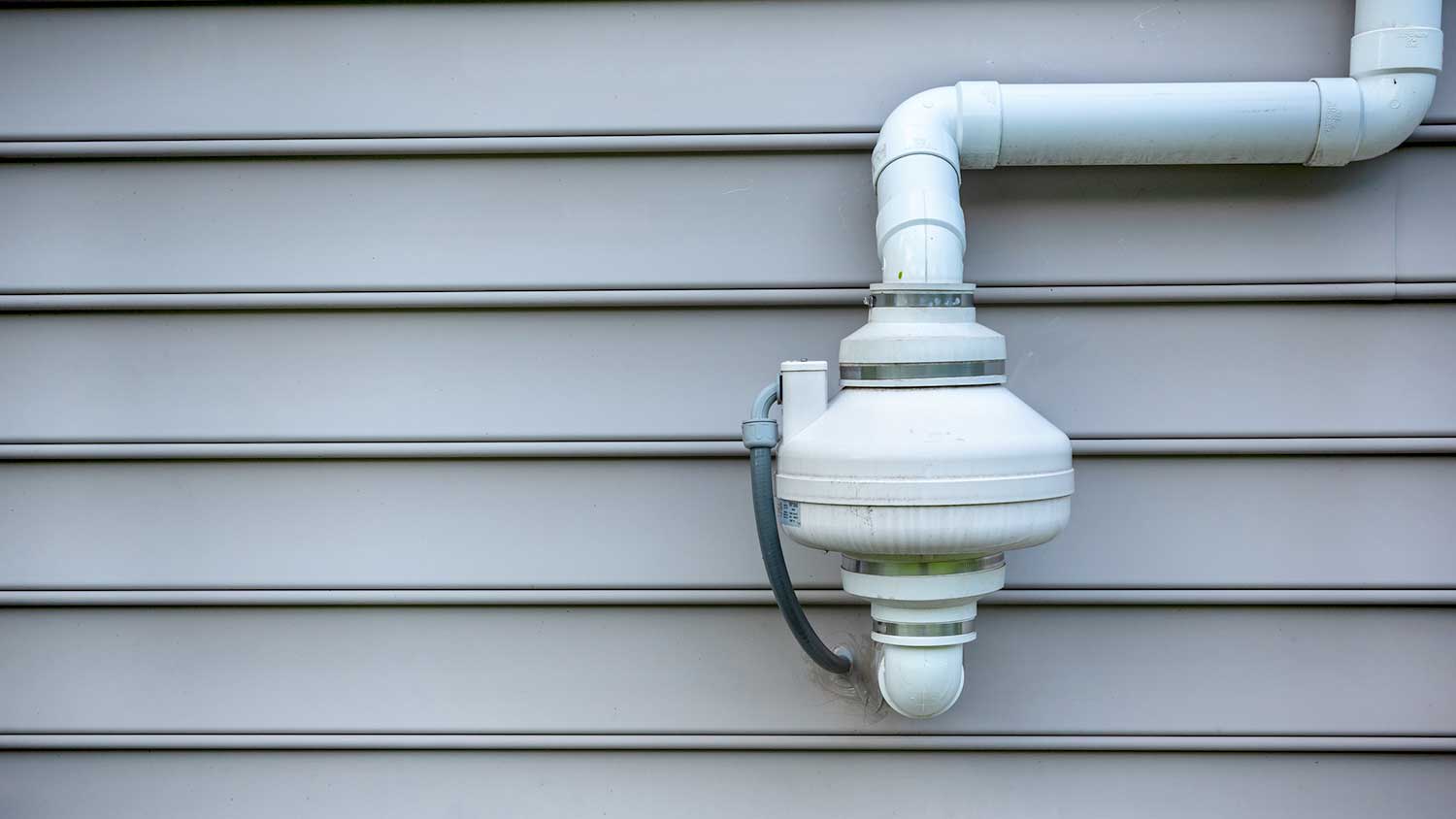
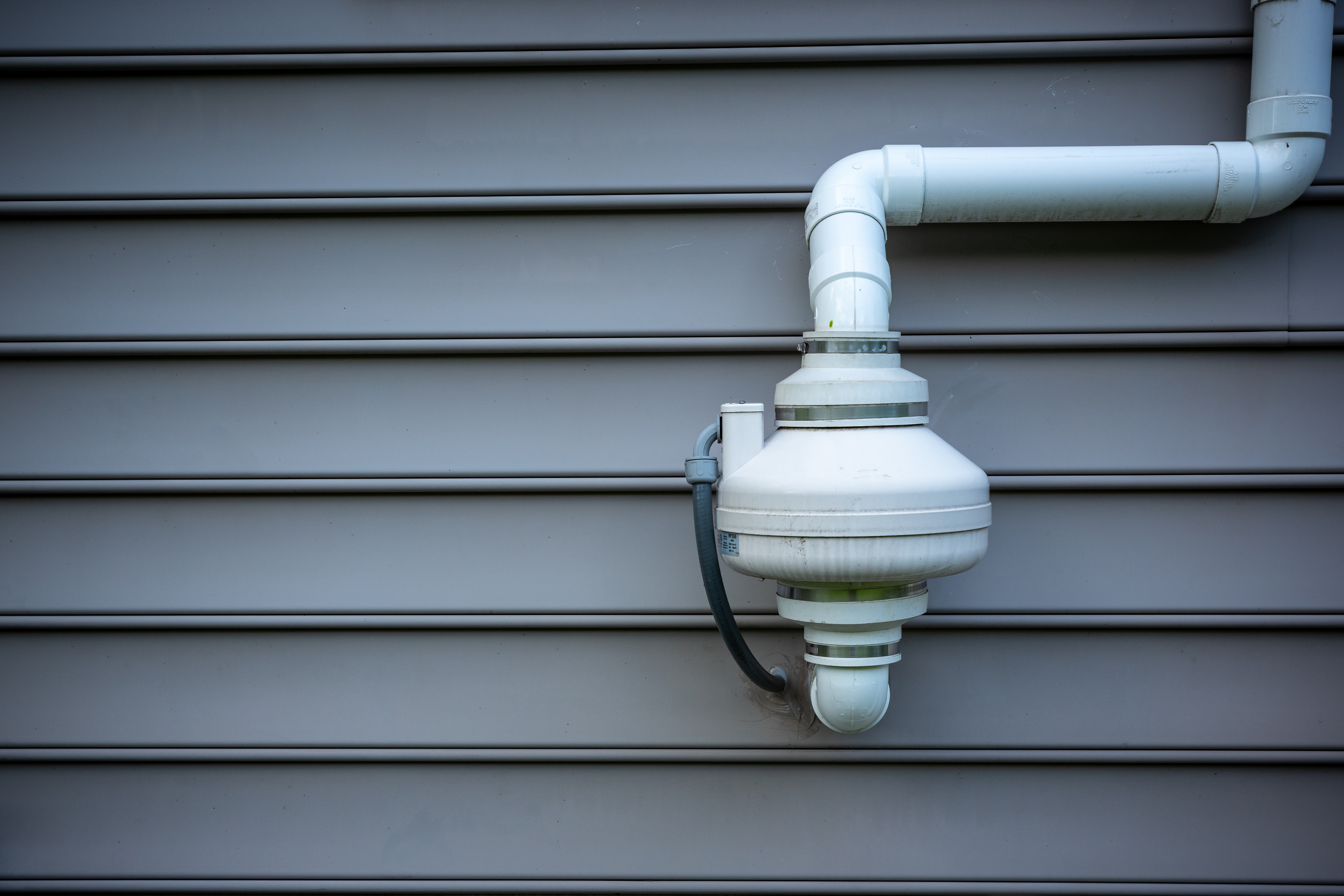
Your radon fan needs to operate 24/7 to be effective. The only time the fan isn't operating is during its replacement. Radon levels in the home can increase within hours if the fan stops working or something obstructs the stack vent. Fortunately, radon systems require no downtime maintenance between fan changes.

Your radon mitigation system may be loud because it’s time to replace it. Any sounds are usually from the inline fan that helps create the vacuum and resulting airflow. If you hear a new, loud mechanical or humming noise from your radon fan, it might be time to replace it. Most fans used in radon mitigation systems last up to 10 years, but may need to be replaced sooner.

You'll need to test your home for radon after installing the mitigation system, then again every two years. If radon remains elevated, contact a licensed radon professional, either the contractor who installed the system or a different one, and have them evaluate the system. They may need to make some changes to improve its effectiveness and performance.

The Jamestown, KY homeowners’ guide to radon detection and reduction services

From average costs to expert advice, get all the answers you need to get your job done.