




Top-rated radon detection and reduction specialists.

Get matched with top radon detection and reduction specialists in Frenchburg, KY

Enter your zip and get matched with up to 5 pros

Need a pro for your radon detection and reduction project in Frenchburg, KY?

Select your specific project to find the pro for you.

Find Radon detection and reduction specialists in Frenchburg

Avatar for Precision Inspection Services
Precision Inspection Services
5.0(
3
)
Radon Gas - Testing

Serving Frenchburg, KY and surrounding areas

In business since 2001

Small jobs welcome

Credit card accepted

"Ed has inspected a couple houses for me. On one he found damage that wasnâ t on the seller disclosure. Saved me a headache and a bunch of money by backing out before the deal was final. Highly recommend for anyone and will continue to use their services!"
Pre-Sale Home Inspection
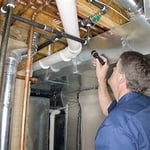
Beautiful afternoon for a Home Inspection.
Roof Inspection
Pre-Sale Home Inspection
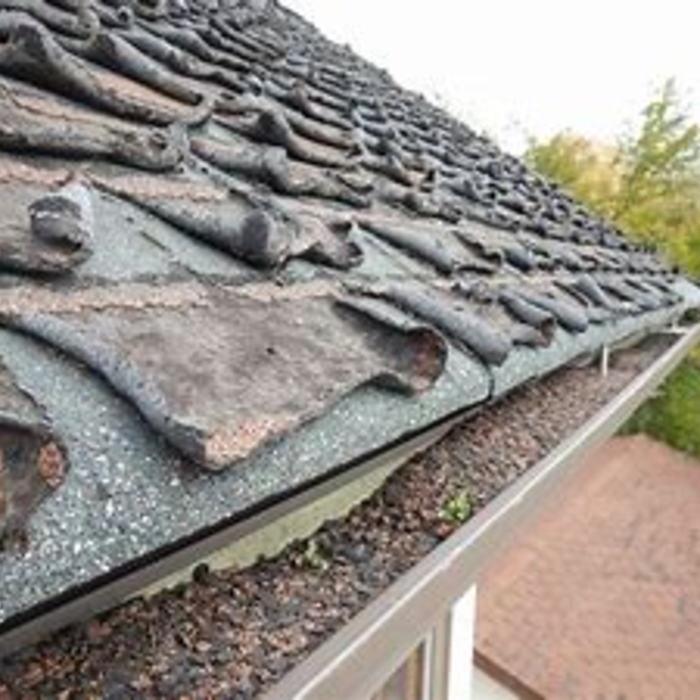
Manufacturer defected shingles.

+2

Response time20 mins
Response rate100%
Recommended by66%of homeowners
Radon Detection and Reduction questions, answered by experts

If your home has a sump pit, you can integrate it with a radon mitigation system. You can accomplish this by sealing the pump cover with an airtight lid that accommodates radon vent pipes and sump pump hoses. This allows the vent pipe to redirect the radon gas outside of your home.

The average radon mitigation system uses about 876 kWh of electricity per year, although the exact amount of electricity used will vary depending on the size of the radon fan. Once the system is installed, the annual increase to your energy bill could range from $30 to $300 per year, again depending on the size of the fan.

The soil beneath your house is most likely what’s causing an increased level of radon. This is because soil holds radioactivity for a long time and it’s also what most buildings are built on. Another common source of radon is water from a source that hasn’t been through periodic radon tests, such as well water. Over time, the radon from the soil can inhabit other parts of your house like the foundation or plumbing.

A homeowner can install a radon mitigation system on their own. But it’s a challenging DIY that requires a lot of knowledge about radon mitigation as well as familiarity with local regulations. You do not want to risk an improper installation that leaves the system unable to detect radon or gives it a shortened life span. Relying on a professional is the surest way to guarantee a successful installation.

Your radon mitigation system may be loud because it’s time to replace it. Any sounds are usually from the inline fan that helps create the vacuum and resulting airflow. If you hear a new, loud mechanical or humming noise from your radon fan, it might be time to replace it. Most fans used in radon mitigation systems last up to 10 years, but may need to be replaced sooner.

The Frenchburg, KY homeowners’ guide to radon detection and reduction services

From average costs to expert advice, get all the answers you need to get your job done.