





Top-rated radon detection and reduction specialists.

Get matched with top radon detection and reduction specialists in Olive Hill, KY

Enter your zip and get matched with up to 5 pros

Need a pro for your radon detection and reduction project in Olive Hill, KY?

Select your specific project to find the pro for you.

Find Radon detection and reduction specialists in Olive Hill

Absolute Home Inspection
5.0(
4
)
Radon Gas - AbatementRadon Gas - Testing

Serving Olive Hill, KY and surrounding areas

In business since 2012

Free estimates

Emergency services offered

Our mission is to empower real estate buyers, sellers and investors through education. Our company is dedicated to providing you with the most comprehensive and accurate information you need to make an informed decision. Our inspectors are members in good standing with the top professional trade associations. Our inspections are performed according to the highest Standards of Practice and strict Code of Ethics which protects the consumer from conflicts of interest and ensures an independent, unbiased assessment of the property. After a thorough analysis of the subject property, we provide a comprehensive, computer generated report highlighting the critical areas most important to you as the real estate buyer, seller or investor. Also serving Central Kentucky.

Recommended by100%of homeowners
Radon Detection and Reduction questions, answered by experts

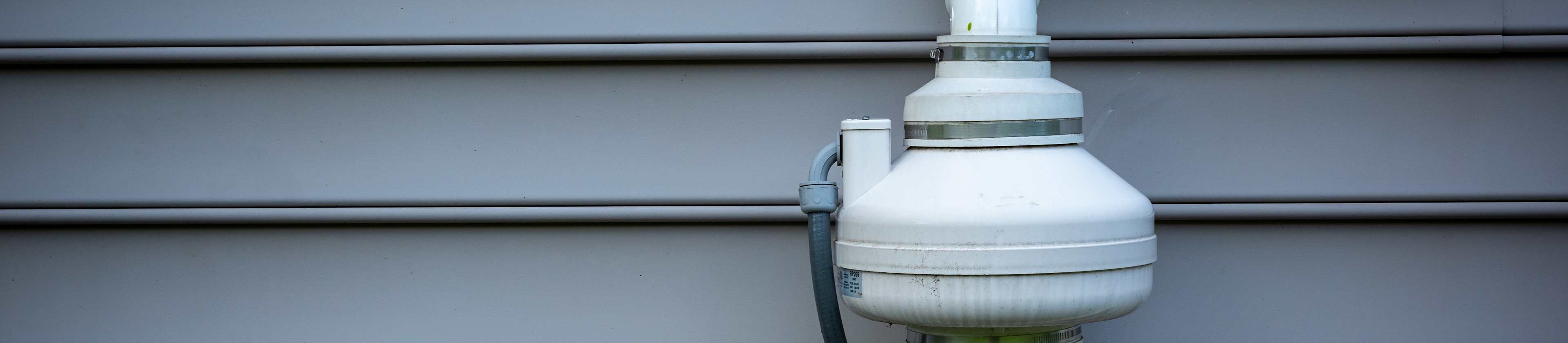
The lifespan of a radon mitigation system depends on the type of system and its maintenance. With proper care, a system can last for many decades. Passive systems tend to last longer as they have fewer components that require replacement. Active systems, which have more moving parts like fans, generally have a shorter lifespan. For instance, water filtration devices and active pressurization systems require more frequent maintenance. While the system as a whole is durable, the radon fan in an active system typically has a lifespan of 5 to 10 years and will need to be replaced. As long as the fan is working, the mitigation system should function correctly.

Keeping radon from getting into your home is much better than having to get rid of it once it's already indoors. While there may not be a way to fully prevent radon from getting into your home, there are things you can do to reduce the gas's ability to enter. 

Sealing foundation cracks and openings can help keep the gas from seeping inside. Improving air flow, such as by opening windows, can also be helpful. If you're building your home from scratch, talk to your contractor about using radon-resistant construction to keep the gas out.

Ideally, no one will live in a house with elevated radon levels, as prolonged exposure increases the risk of serious health issues like lung cancer. However, homes with radon can be made safe through mitigation systems, such as active soil depressurization. Testing for radon regularly and addressing high levels helps ensure a safe living environment.

A homeowner can install a radon mitigation system on their own. But it’s a challenging DIY that requires a lot of knowledge about radon mitigation as well as familiarity with local regulations. You do not want to risk an improper installation that leaves the system unable to detect radon or gives it a shortened life span. Relying on a professional is the surest way to guarantee a successful installation.

You can vent radon out of your house sometimes by simply opening a window, but it won’t remove the source, and will likely rise above recommended levels quickly. A professional will be needed to assess your home, and determine the best strategy for radon removal. Active radon sump pumps and soil depressurization systems are often used to forcefully vent the radon from your home.

The Olive Hill, KY homeowners’ guide to radon detection and reduction services

From average costs to expert advice, get all the answers you need to get your job done.




