




Top-rated radon detection and reduction specialists.

Get matched with top radon detection and reduction specialists in Clay City, KY

Enter your zip and get matched with up to 5 pros

Need a pro for your radon detection and reduction project in Clay City, KY?

Select your specific project to find the pro for you.

Find Radon detection and reduction specialists in Clay City

Avatar for Precision Inspection Services
Precision Inspection Services
5.0(
3
)
Radon Gas - Testing

Serving Clay City, KY and surrounding areas

In business since 2001

Small jobs welcome

Credit card accepted

"Ed has inspected a couple houses for me. On one he found damage that wasnâ t on the seller disclosure. Saved me a headache and a bunch of money by backing out before the deal was final. Highly recommend for anyone and will continue to use their services!"
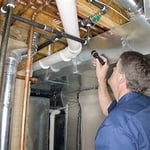
Pre-Sale Home Inspection
Beautiful afternoon for a Home Inspection.
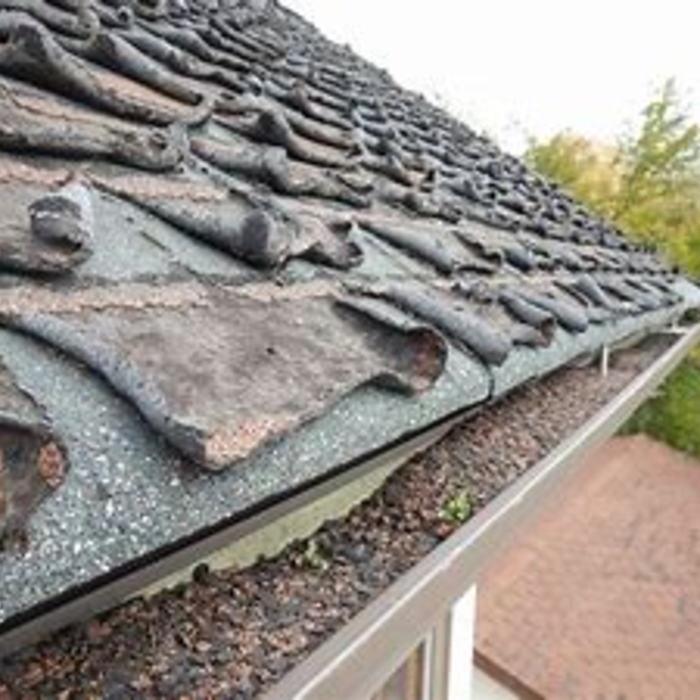
Roof Inspection
Pre-Sale Home Inspection
Manufacturer defected shingles.

+2

Response time20 mins
Response rate100%
Recommended by66%of homeowners
Radon Detection and Reduction questions, answered by experts

While DIY testing is possible, abatement generally requires professional installation to ensure efficacy and meet safety standards.

The fan that pulls the radon out of the air needs to run continuously, so you may see an increase in your electric bill once you install the mitigation system. Additionally, you may see an increase in your heating or cooling bills, as the fan can cause some loss of hot or cool air.

No level of radon is technically safe, but since it is present everywhere, complete avoidance is impossible. The average radon level in homes across the United States is 1.3 picocuries per liter (pCi/L). The Environmental Protection Agency (EPA) recommends taking preventative measures if your home's radon levels are between 2 and 4 pCi/L or higher.

The natural breakdown of uranium in soil, rock, and water can cause radon to appear in a home. The gas seeps into homes through cracks in foundations, walls, or floors, as well as through gaps around pipes or construction joints. Radon levels are influenced by soil composition, building materials, and ventilation. Poorly sealed or airtight homes can trap radon, allowing it to accumulate.

You'll need to test your home for radon after installing the mitigation system, then again every two years. If radon remains elevated, contact a licensed radon professional, either the contractor who installed the system or a different one, and have them evaluate the system. They may need to make some changes to improve its effectiveness and performance.

The Clay City, KY homeowners’ guide to radon detection and reduction services

From average costs to expert advice, get all the answers you need to get your job done.