


Top-rated generator install pros.

Best generator install pros near Erlanger, KY

Enter your zip and get matched with up to 5 pros

Need a pro for your generator install project in Erlanger, KY?

Select your specific project to find the pro for you.

Top-Rated Generator install pros in Erlanger - Updated Nov 2026

Avatar for Wehrle Electric, LLC
Wehrle Electric, LLC
5.0(
16
)
Portable Generator - Install

Serving Erlanger, KY and surrounding areas

In business since 2020

Free estimates

Emergency services offered

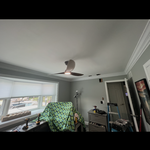
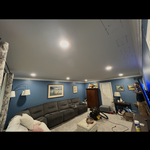
"Had him install recessed lighting in master bedroom and spare bedroom and fix the switches in said rooms. I am beyond impressed with the final outcome. Service was quick, professional, and courteous. Could not recommend more."
Response time4 hrs
Recommended by92%of homeowners
Bell Electric, LLC
5.0(
1
)
Generator - Install - For Business

Serving Erlanger, KY and surrounding areas

In business since 2023

Free estimates

Credit card accepted

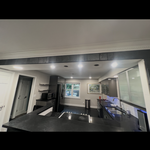
"I renovated my kitchen and had to upgrade the electric to accommodate the dishwasher and upgraded appliances. Andrew rewired the kitchen, moved several outlets, and made upgrades in the electrical box. He priced it fairly and completed the work on time and to code. He was also polite, friendly, and cleaned up after himself. His work was excellent."
Electrical Service
Panel Installs
Panel Installs
Meter Base
Business Card

+1

Response time3 days
Recommended by100%of homeowners
Showing 1-10 of 23
Generator Install FAQs, answered by experts

Here’s what you can run with different wattages and types of generators:

Portable generator:

  • 2,000 watts can handle a large appliance like a freezer or refrigerator, plus a few smaller items like phones or computer chargers. 

  • 4,000 watts will keep two large appliances operating and a few smaller devices.

  • 8,000 watts should power most essential appliances and other devices, including a sump pump, well pump, or your dishwasher.

Partial to whole-house generator:

  • 20,000 watts and above will make it seem like your home’s power is still on.

While diesel is relatively stable, it won’t last nearly as long as propane and you may have to replace it if it sits unused for too long. Diesel can sometimes struggle to work efficiently or start engines during especially cold weather, so it’s not the best choice for every climate. Compared to fuels like propane and natural gas, diesel generators tend to be noisier and create more exhaust, which isn’t always ideal for home use.

In many cases, yes. There are models called dual-fuel generators and fuel switches, but only between certain types of fuel. For example, with the right setup you can convert a generator from natural gas to propane. Some allow switching between diesel and gasoline. There are even tri-fuel generators available in some cases, which adds a large layer of security if you are worried about fuel availability in times of crisis. Always check your generator capabilities and manual instructions before trying to switch fuels. Some generators can use another fuel but may need a fuel conversion kit to prep them first.

The average cost to install a home generator is $5,200, but total costs can range from $500 to $18,000 or more. The final price depends on several factors, including the generator's size, type, brand, fuel source, and the cost of labor and assembly. The generator's size is the most significant cost factor, as units that can power larger homes with higher energy demands cost more.

Cost breakdowns by generator type are typically as follows:

  • Portable or Emergency Backup Generators (1kW–7.5kW): $500–$2,000

  • Partial-Home Generators (9kW–20kW): $2,000–$6,500

  • Whole-House Generators (22kW–48kW): $5,000–$18,000

To ensure you get the right size unit for your needs without overpaying, consider hiring an electrician to calculate the electrical load of your essential appliances. It is also recommended to get at least three quotes from qualified installers to find the best fit for your budget.

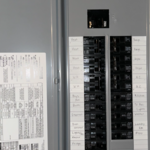
As a safety measure, you should always turn off the main breaker while operating your generator’s backup breaker. In addition, you should also switch off all appliance breakers so you don't have a power surge when the main breaker turns back on. And finally, turning off the main breaker prevents back-feeding, which endangers utility workers with the risk of electrocution. Back-feeding could also destroy the electrical circuits of your neighbors if they use the same power network.

The Erlanger, KY homeowners’ guide to generator installs

From average costs to expert advice, get all the answers you need to get your job done.