





Top-rated arborists.

Get matched with top arborists in Lawrence, KS

Enter your zip and get matched with up to 5 pros

Need a pro for your arboricultural service project in Lawrence, KS?

Select your specific project to find the pro for you.

TRUSTED BY LAWRENCE, KS HOMEOWNERS

  • Average homeowner rating star icon4.6
    Average homeowner rating
  • Verified reviews icon380
    Verified arboricultural services reviews

Find Arborists in Lawrence

Avatar for Courteous Tree Care, LLC
Courteous Tree Care, LLC
4.9(
15
)
Tree RemovalTree Removal - For BusinessTree Stump - Remove+3 more

Serving Lawrence, KS and surrounding areas

Approved

In business since 2018

Free estimates

Emergency services offered

"Fantastic job by Zane and his crew. I had them remove a tree more than 5 years ago and we were so impressed by his work ethic, manners, pricing and reliability, that we asked him to come back and take care of removing several of our trees. Just like last time, we are extremely happy with his work."
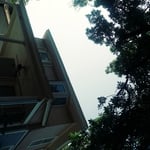
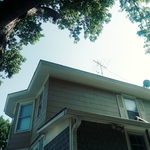
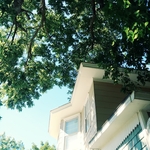
Lawrence(walnut)
Lawrence(walnut)
Lawrence(hackberry)
Lawrence(hackberry)
Osawatomie(silver maple and walnut)

+9

Response time8 hrs
Recommended by100%of homeowners
Avatar for Hills Tree Care
Hills Tree Care
5.0(
10
)
Tree RemovalTree Trimming

Serving Lawrence, KS and surrounding areas

Approved

In business since 2025

Free estimates

Credit card accepted

"Their team did a great job taking down the tree. We had a maple tree about 5 feet from our home and we were worried about it falling on us with how the strong the winds get. The tree was at least 80 ft tall. They took the tree down with great care within 2-3 hours. I would recommend them to anyone!"
Tree Service
My jobs
My jobs
My jobs
1 neighbors recently requested a quote
...
Showing 1-10 of 122
Arborists questions, answered by experts

In most cases, you should not use a pruning seal on trees after trimming. Applying a sealant can interfere with the tree's natural healing process, and it does not guarantee protection from pathogens. Instead of sealing the cut, the best practice is to support the tree's natural recovery by providing it with plenty of water and a dormant-style fertilizer. However, there are exceptions. Pruning seals may be recommended for very vulnerable species, like elm trees, in areas where dangerous diseases such as Dutch elm disease are prevalent. In these specific situations, the protection offered by a sealant can outweigh its downsides. For advice tailored to your situation, especially after cutting large branches, it is best to consult a local tree trimming professional.

When a palm tree no longer produces new fronds and old fronds start turning yellow-brown, that’s a sign the tree is dying. However, transplanted palm trees can show these signs for the first several months as they re-establish themselves. It’s best to keep watering and not give up on the palm tree until a couple of seasons have passed and you’re sure it’s not coming back to life.

Yes, it’s possible to overwater a newly-planted tree. Daily watering is great for the first few weeks, but it’s important not to go overboard. Excessive watering can lead to various problems, including root rot, fungal diseases, and a lack of root development.

You may wonder whether tree removal is tax deductible: Tree removal is not tax-deductible for homeowners unless it's related to a federally declared disaster. In that case, the cost may qualify as a casualty loss. However, if you own a commercial property, like a rental home, tree removal could be deductible if it's necessary for safety, maintenance, or part of a larger capital improvement project, and you must hire a professional tree removal service and keep documentation. Always consult a tax professional beforehand to see if you qualify.

Whether tree roots will continue to grow after a tree has been cut down depends on the species. Some tree roots will eventually die because they can no longer get nutrients through photosynthesis. However, other species that reproduce through root sprouts can continue to grow and produce new sprouts for seven years or more. For example, the roots of elms, ficus, and willows tend to regrow aggressively, while the roots of pines, oaks, and maples will typically die. To determine if a root system is still active, look for new sprouts on the old trunk, stump, or any exposed roots.

The Lawrence, KS homeowners’ guide to arboricultural services

From average costs to expert advice, get all the answers you need to get your job done.