



Top-rated electricians.

Get matched with top electricians in Garden Plain, KS

Enter your zip and get matched with up to 5 pros

Need a pro for your electrical service project in Garden Plain, KS?

Select your specific project to find the pro for you.

TRUSTED BY GARDEN PLAIN, KS HOMEOWNERS

  • Average homeowner rating star icon4.7
    Average homeowner rating
  • Verified reviews icon67
    Verified electrical services reviews

Find Electricians in Garden Plain

Avatar for Mr. Electric of Wichita
Mr. Electric of Wichita
4.8(
32
)
Electrical Switches, Outlets & Fixtures - Install or RepairElectrical Wiring or Panel UpgradeElectrical for Home Addition or Remodel - Install+14 more

Serving Garden Plain, KS and surrounding areas

Approved

In business since 2016

Emergency services offered

Warranties offered

"I chose Mr. Electric because of their 5 star rating and was not disappointed. They were very professional and their quality of work was outstanding. My hats off to Kenny and Cayden. If you need electrical work done don’t hesitate to call Mr. Electric.——— from Mark in Bel Aire Ks."
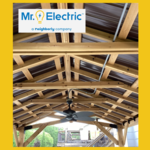
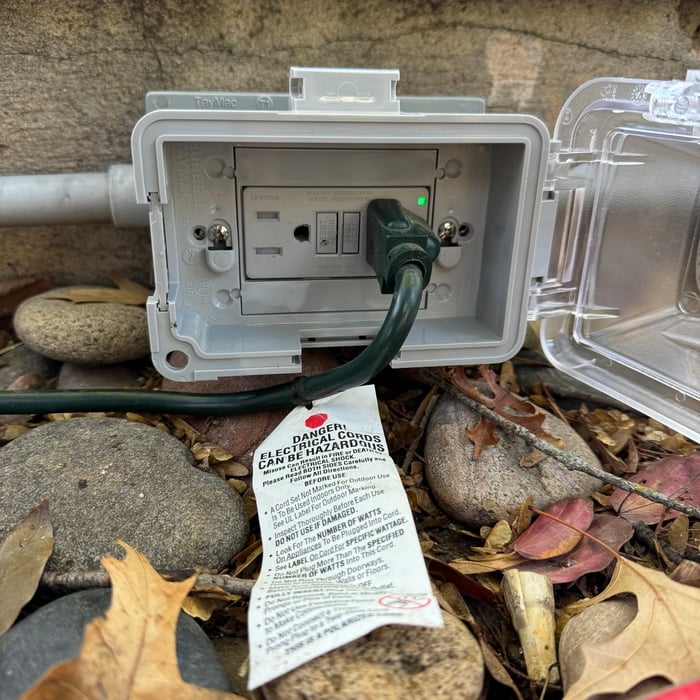
Added Lighting and Fan to Outdoor Gazeebo.
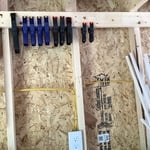
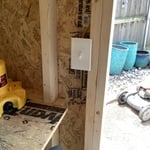
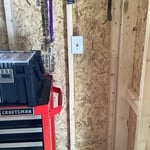
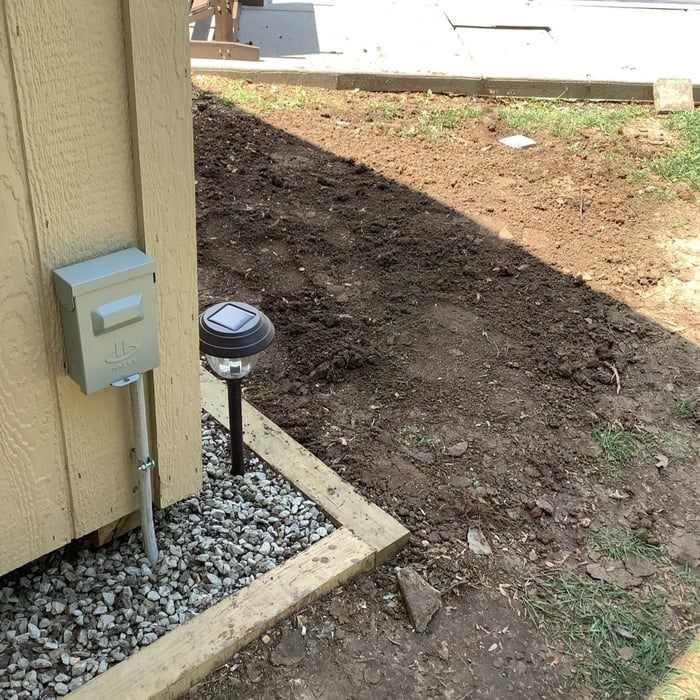
Electrical for Shed
Electrical for Outdoor Shed
Electrical for Shed
Electrical for Shed

+7

3 neighbors recently requested a quote
Recommended by73%of homeowners
Avatar for Ampere Electrical Services, LLC
Ampere Electrical Services, LLC
5.0(
6
)
Electrical Wiring or Panel Upgrade

Serving Garden Plain, KS and surrounding areas

Approved

In business since 2015

Free estimates

Emergency services offered

At Ampere Electrical Services, LLC, we pride ourselves on providing quality service that customers can believe in. We will always see the project through to the customer's satisfaction. Call us for a free estimate and to get a professional electrician out to your home today!

Response time2 days
Recommended by100%of homeowners

Avatar for Donohue's Lightning Rods
Donohue's Lightning Rods
4.3(
70
)
Lightning Protection - Install or Repair

Serving Garden Plain, KS and surrounding areas

Approved

In business since 1971

Free estimates

Emergency services offered

"The man who did the job were awesome. They were very thorough, professional, and speedy. They left our church grounds spotless. I could not recommend them highly enough."
Jobs from the last 3 year
Lightning protection

+10

Response time1 day
99 neighbors recently requested a quote
Recommended by96%of homeowners

...
Showing 1-10 of 95
Electrical questions, answered by experts

There are many signs it is time to replace an electrical panel, starting with flickering lights. Other tell-tale signals include overheating appliances, light fixtures that cause an electric shock, hissing or crackling from the breaker box, burned or blackened spots near the breaker box, and breakers that trip whenever activating power-hungry appliances like microwaves.

Yes, you can run an above-ground electrical conduit and stay within National Electrical Code safety guidelines. Just make sure you check the code requirements of your project with the local building regulations office. You should work with a local electrician to complete this type of project due to the personal safety hazards.

The size of your home will help determine the size of your electrical panel. Usually, the decision comes down to a 100-amp electrical panel versus a 200-amp panel. Smaller homes, especially those without an HVAC system, may be able to get by with a 100-amp panel. 

If you have a larger home or need to power AC, a 200-amp panel should be the best fit. It’s unlikely that you’ll need a larger panel than that unless you have a larger home or unique electrical needs, but an electrician can help you make the final call.

No. Do not use a 14-gauge wire on a 20-amp outlet. A certified licensed electrician would know that the National Electrical Code (as per Section 240.4(D) subsection 3) requires 14-gauge wires to be used with a maximum amplitude of 15. Therefore, you should only use 12-gauge wires on 20-amp outlets.

The American Wire Gauge system calculates wire size diameters using the complicated formula D(AWG)=.005·92((36-AWG)/39) inch. A simpler rule of thumb is that every six-gauge decrease doubles the wire diameter, and every three-gauge decrease doubles the wire’s cross-sectional area. On the other hand, wavenumbers are typically measured in reciprocal meters (1/m or m−1) or reciprocal centimeters (1/cm or cm−1).

The Garden Plain, KS homeowners’ guide to electrical services

From average costs to expert advice, get all the answers you need to get your job done.