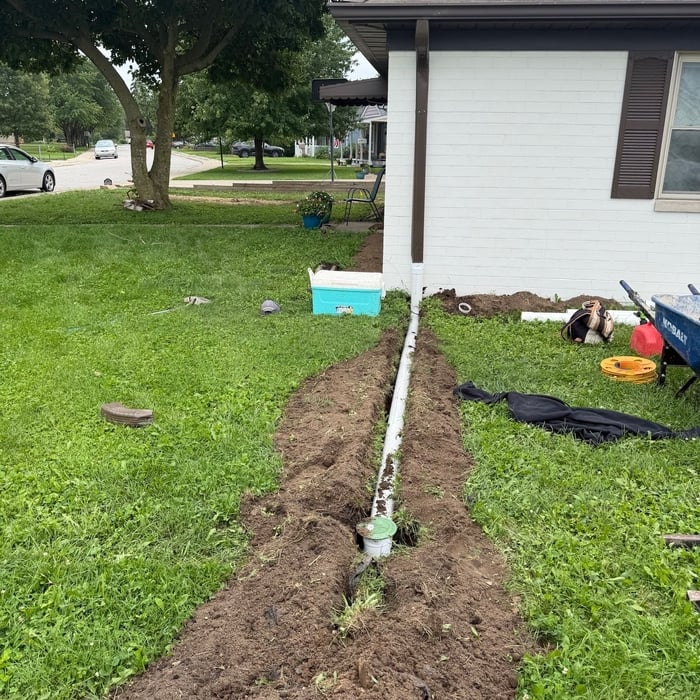








Top-rated excavation pros.

Get matched with top excavation pros in Speedway, IN

Enter your zip and get matched with up to 5 pros

Need a pro for your excavation project in Speedway, IN?

Select your specific project to find the pro for you.

TRUSTED BY SPEEDWAY, IN HOMEOWNERS

  • Average homeowner rating star icon4.7
    Average homeowner rating
  • Verified reviews icon176
    Verified excavation services reviews

Find Excavation pros in Speedway

Avatar for Ranger Landscaping
Ranger Landscaping
5.0(
12
)
Excavation - Major Grading or ReslopingExcavation - Major Grading or Resloping - For BusinessLandscape - Minor Grading or Resloping

Serving Speedway, IN and surrounding areas

Approved

In business since 1990

Free estimates

Credit card accepted

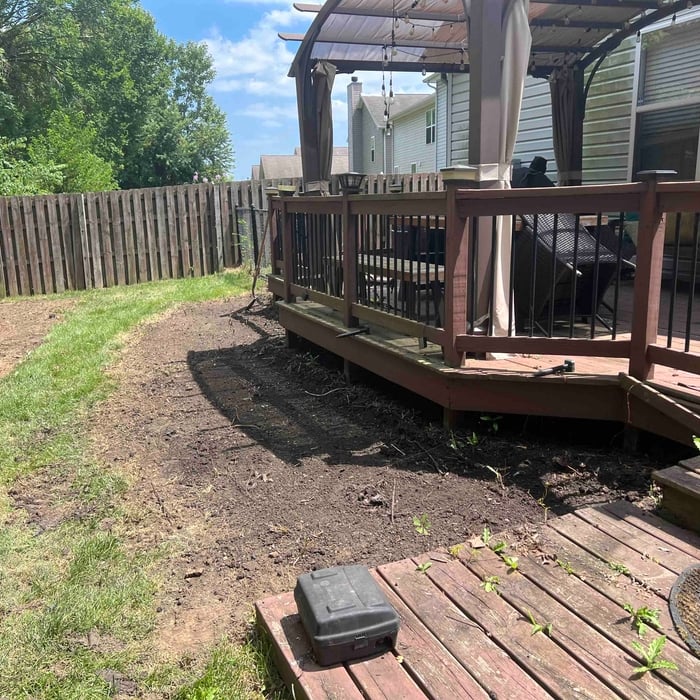
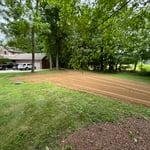
"Eric and his team were very polite and did a fabulous job regrading, and seeding my yard. They had to pull out a portion of my fence and a post in order to get their equipment in to the back yard. They did not charge me for the extra labor and materials to re-set the post. Ranger Excavating is an A+ in my book. I would highly recommend them"
Response time4 days
8 neighbors recently requested a quote
Recommended by91%of homeowners

...
Showing 1-10 of 209
Excavating questions, answered by experts

Errors in site preparation can lead to structural failures or appear costly midway. Professionals ensure detailed, reliable home base development layouts.

Sewer lines can be buried anywhere from 18 inches to 8 feet deep, with a common average depth between 18 and 30 inches. The exact depth depends on local factors like climate and soil type. In colder regions, pipes must be buried deeper (below the frost line) to prevent freezing, sometimes as deep as 8 feet. The digging depth can also impact the cost of sewer line replacement. To find the specific depth for your property, you can check the building plans for your system, which should be on file with your city or local sanitation department since permits are required for installation.

The best type of soil to build on is a mixture of sand and clay, known as loam soil. Loam soil has the best combination of these soil types to build a foundation on. The clay particles help with water retention, so it won’t erode like sandy soil might, and the sandy particles help with drainage, so you won’t see unsafe soil expansion or have an increased risk of leaks from water sitting against your foundation.

A trench that is less than 5 feet deep often doesn't require a protective system. Most residential trenches will not go this deep (the typical residential drainage trench is just 18 inches deep). In the event that an excavator needs to dig more than 5 feet beneath the surface, a protective system is required unless the excavation is in entirely stable rock.

Yes, chipmunk holes may have two or more entrances. Chipmunks can create an entire network of burrows. Having multiple entrances makes it easier for them when trying to escape from a predator, such as a snake, or if an entrance collapses due to flooding. Each entrance leads to the nesting chamber underground, which is where the chipmunk spends the majority of its time sleeping.

The Speedway, IN homeowners’ guide to excavation services

From average costs to expert advice, get all the answers you need to get your job done.