


Top-rated excavation pros.

Get matched with top excavation pros in Clayton, IN

Enter your zip and get matched with up to 5 pros

Need a pro for your excavation project in Clayton, IN?

Select your specific project to find the pro for you.

TRUSTED BY CLAYTON, IN HOMEOWNERS

  • Average homeowner rating star icon4.6
    Average homeowner rating
  • Verified reviews icon93
    Verified excavation services reviews

Find Excavation pros in Clayton

Avatar for Grind Line Services
Grind Line Services
5.0(
3
)
Building Site - Preparation and ClearingExcavation - Major Grading or ReslopingLandscape - Minor Grading or Resloping

Serving Clayton, IN and surrounding areas

Approved

In business since 2025

Free estimates

Emergency services offered

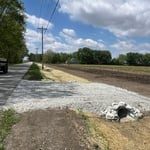
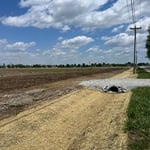
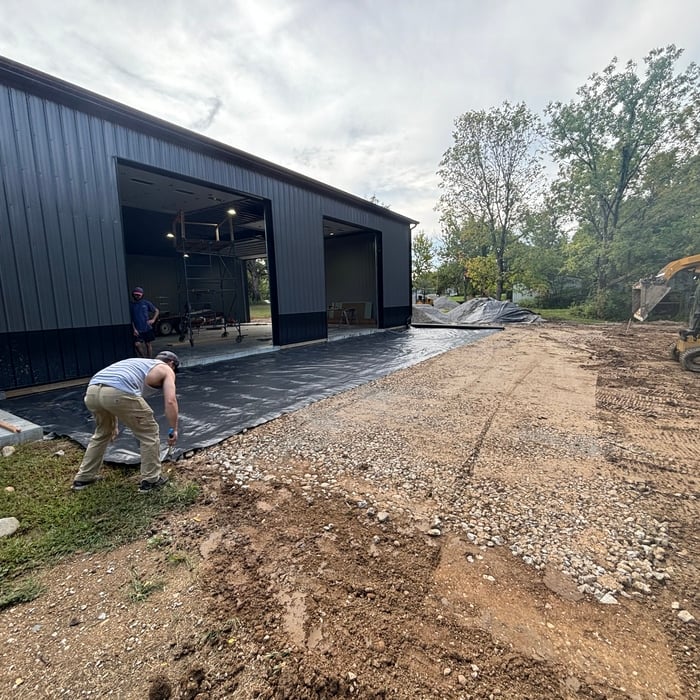
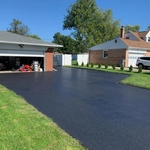
"Cole added gravel and regraded our driveway back to a smooth surface without all of the potholes, he was very professional, awesome prices, and got the job done in a timely matter. He will always be my choice when needing anything done to my property from here on out"
Drive way regrade
Response time6 hrs
Response rate100%
5 neighbors recently requested a quote
Avatar for Murrain Excavating, Inc
Murrain Excavating, Inc
New to Angi
Building Site - Preparation and ClearingExcavation - Major Grading or Resloping

Serving Clayton, IN and surrounding areas

Approved

Free estimates

Emergency services offered

Small jobs welcome

I own and operate a second generation family owned excavating company that my father started in 1964. I have been doing work mainly in Hendricks County for the last 30 years. I specialize in storm drainage, drainage tile, tree and brush clearing, driveway grading and stoning, yard rough and finish grading.

Avatar for Silvers Concrete and Paving, LLC
Silvers Concrete and Paving, LLC
4.2(
12
)
Excavation - Major Grading or ReslopingExcavation - Major Grading or Resloping - For Business

Serving Clayton, IN and surrounding areas

Approved

In business since 2018

Free estimates

Warranties offered

"They were very professional and knowledgeable. I've been on concrete pours and the personnel were well trained on what to do, and how to do it. I would recommend this company to any of my friends and family. Thanks for a job well done."
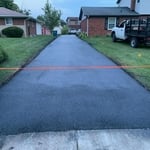
Driveway
Driveway
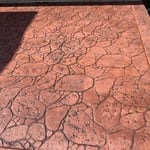
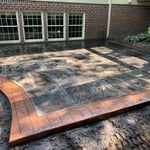
Stamped Patio
Stamped Patio
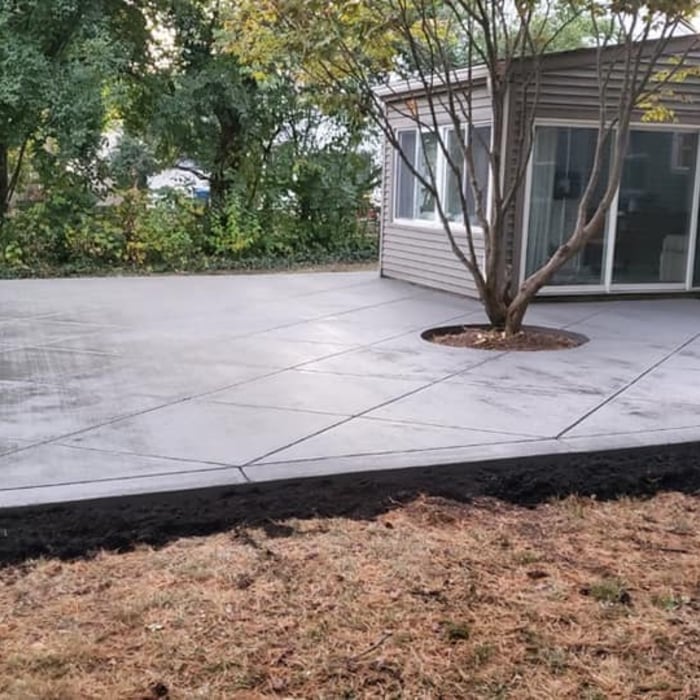
Brushed Patio

+2

Response time4 hrs
Response rate96%
Recommended by80%of homeowners
...
Showing 1-10 of 164
Excavating questions, answered by experts

In the United States, a depth of 36 inches (three feet) for underground water lines is the accepted industry standard. This depth varies from location to location based on local conditions. In areas with colder winters, they may be buried deeper to prevent frozen well water pipes : This is usually at least six inches below the frost level. The International Plumbing Code calls for a minimum of 12 inches below grade.

Hardscaping often requires preparation of the ground in the area where the feature is being installed. This can include digging, compacting, and leveling the soil, ensuring adequate drainage, and removing any existing plants. The extent of preparation needed will depend on the type and size of the hardscaping feature being installed.

No, a ditch isn’t a trench. A ditch is an open, relatively shallow channel that’s carved out of the ground and used for drainage purposes. In contrast, a trench is a deeper excavation that’s entirely underground. Trenches have many uses, including gas lines, sewage systems, and electrical wiring. Unlike trenches, ditches don’t get filled back in with dirt after they’re dug.

A perc test can take anywhere from one to eight hours to complete. The total time depends on factors like the amount of excavation required, the depth and width of the holes, and whether multiple test holes are needed. For a single hole, the process of filling it with water and monitoring the drainage rate usually takes less than an hour. Professionals can often complete the entire test in a single day. While it's possible to get results the same day, some companies may take a few days to provide the official report.

Septic drain lines (or leach lines) are typically buried between 18 and 36 inches underground, and should be at least 6 inches below the surface. These pipes are perforated and surrounded by filtering materials like sand or gravel. Burying the lines at this depth helps minimize odors and allows bacteria and other biological processes in the soil to effectively treat the wastewater. Burying lines too close to the surface can cause issues unless the soil is very compact and stable.

The Clayton, IN homeowners’ guide to excavation services

From average costs to expert advice, get all the answers you need to get your job done.