

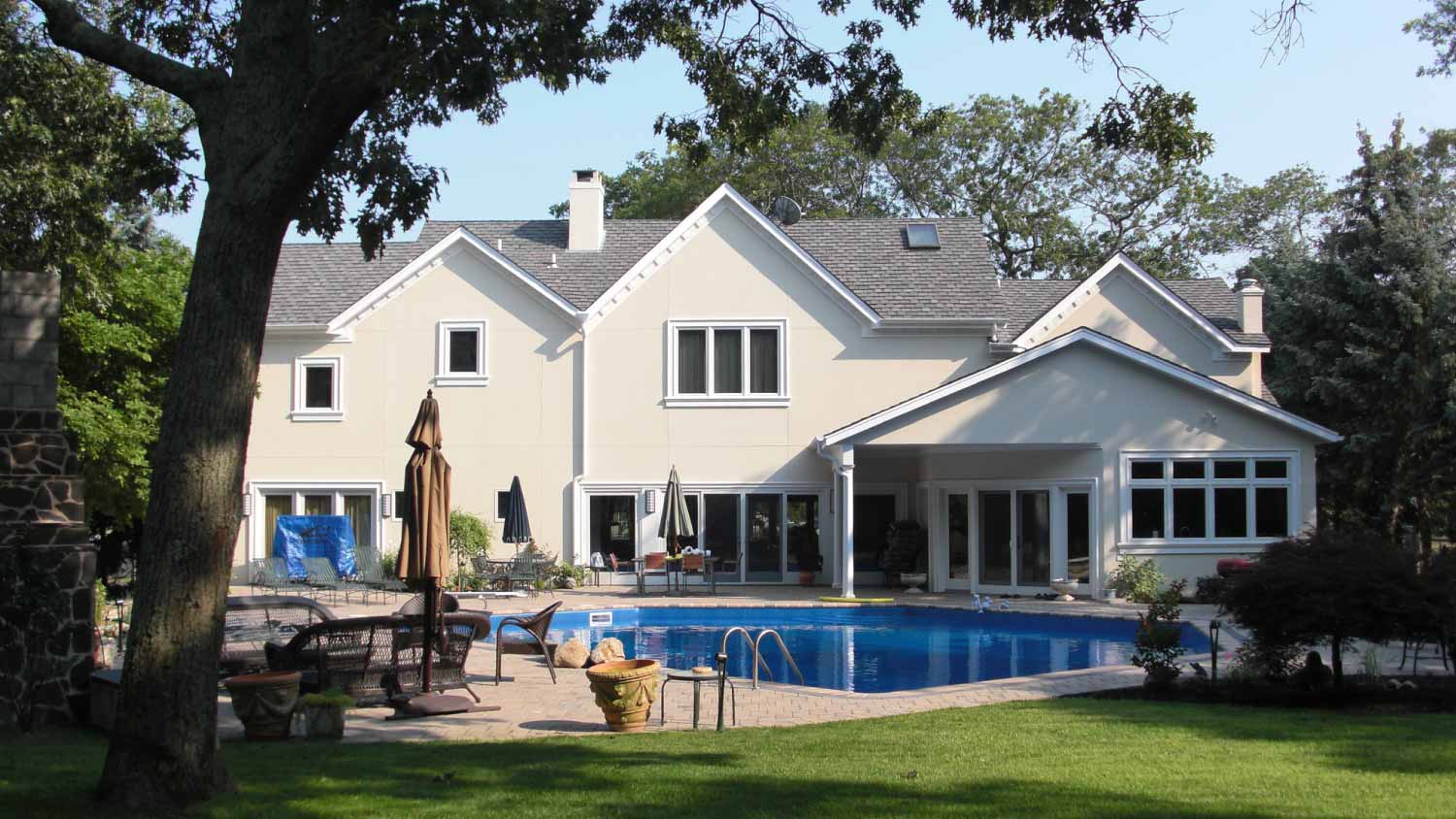
Is it time to treat yourself to backyard pool parties and late-night swims? Start with our guide, which answers the question: how much does it cost to build a pool?
Pool construction and installation costs depend on your project and location. Check with a local pro for your specific job.

Pool openings cost $200 to $400 on average, with in-ground pools running $250 to $400 and aboveground pools costing $175 to $250 to prepare for summer.
Your filter type affects opening costs, with cartridge and sand filters ranging from $250 to $350 and diatomaceous earth filters costing $300 to $450 to reinstall.
You should wait at least 24 hours after opening your pool before swimming, giving chlorine levels time to drop below four parts per million for safe use.
Hiring a local pool service professional provides reliable help with equipment installation and water balancing, so your pool stays clean and ready for the season ahead.
In 2026, the national average cost to open a pool is $300, with most homeowners spending $200 to $400 depending on pool size, filter type, and liner condition. Opening a pool is DIY-friendly but time-intensive, so many homeowners hire a professional for the initial setup and handle routine maintenance themselves.

Several key factors determine what you'll pay when hiring a professional for pool opening services. The type of pool, filter, and liner you have all play a role, as do the chemicals needed to bring your water into balance. Understanding these variables upfront helps you budget accurately and avoid surprises when the quote arrives.
The type of pool you have—in-ground, aboveground, or partially in-ground—affects your opening costs. In-ground pools are the most expensive to open at $250 to $400 because they tend to be larger, with bigger pumps and filters that take longer to clean and install. They also often have covers that are challenging to remove and pool lights that your professional must reinstall before the pool is ready. The table below breaks down the average opening costs by pool type:
| Type of Pool | Pool Opening Cost in 2026 |
|---|---|
| Aboveground | $175–$250 |
| In-ground | $250–$400 |
| Partial aboveground | $200–$300 |
Filter type is one of the biggest drivers of pool opening costs. Cartridge and sand filters are the most common and easiest to clean, keeping costs near the national average at $250 to $350. Diatomaceous earth (DE) filters cost more due to their complex cleaning process and safety requirements. Saltwater systems also run higher, as adding salt and calibrating the chlorinator require extra labor and materials.
The table below breaks down the average cost to open a pool by filter type:
| Filter Type | Pool Opening Cost in 2026 |
|---|---|
| Cartridge | $250–$350 |
| Diatomaceous earth | $300–$450 |
| Salt | $250–$400 |
| Sand | $250–$350 |
Your pool liner directly impacts opening labor costs because of how long it takes to clean the walls and floor. Smooth, non-porous materials like vinyl and fiberglass clean off quickly, keeping opening costs around $250 to $350. Concrete and gunite pools are rough and porous, trapping algae and debris that require significantly more scrubbing time, potentially raising rates to $400.
Here is a quick look at average pool opening costs by liner type:
| Liner Type | Pool Opening Cost in 2026 |
|---|---|
| Concrete/gunite | $300–$400 |
| Fiberglass | $250–$350 |
| Vinyl | $250–$350 |
Pool opening costs include a variety of chemicals, including algaecide, shock, pH balance chemicals, chlorine, chlorine stabilizer, alkalinity balance chemicals, and more. Most professional pool companies will include chemicals in their pool opening estimates. Still, they will often build in higher totals for larger pools, partly because they require more chemicals.
The size of your pool plays a significant role in your pool opening costs. Larger pools require more work for a few reasons, including:
Larger covers that take more time to remove
More lights, ladders, and other fixtures that take more time to reinstall
Larger and more complex filters, pumps, and heaters that take more time to prepare for use
Requiring more vacuuming and cleaning
Needing more water to fill your pool back up, which drives up material costs for water delivery or labor costs if your expert needs to wait around for it to fill using the hose
Requiring more chemicals to bring the levels into balance
Beyond the $300 it typically costs to open your pool, you should also budget for the ongoing costs of maintaining and running it throughout the summer. Planning ahead for these expenses helps you avoid surprises when it comes time to hire local pool services again.
Keeping your pool clean and in good working order requires professional maintenance about once a week. If you hire a pro to handle all the work, pool maintenance costs run between $100 and $300 per month, depending on pool size, type, filter, tree coverage, and how frequently you swim. Pools that see heavy use or sit under significant tree coverage tend to fall toward the higher end of that range.
In addition to maintenance, you should budget for electricity and fuel costs to keep your pool equipment running after opening. These expenses vary based on equipment type and pool size, but the table below covers average monthly costs for standard pools:
| Expense | Average Monthly Cost in 2026 |
|---|---|
| Heater (electric) | $175–$600 |
| Heater (natural gas) | $200–$400 |
| Heater (propane) | $200–$850 |
| Heater (solar) | $0–$10 |
| Pumps | $30–$150 |
A local pool service charges about $175 to $400 to open your pool, making it one of the more affordable professional home services you can hire for. A professional handles chemical balancing and equipment setup throughout the process, saving you hours of work and guesswork. They can also spot hidden issues—like winter freeze damage—before those problems escalate into costly repairs.
Even if you have the skills to DIY your own pool opening, it's still a good idea to hire a pool pro for the following reasons:
This is a relatively affordable service that saves you two to six hours on the initial setup.
Pool pros balance your chemicals correctly from day one, so you're not starting the season with an issue that's difficult to manage.
Pros know how to spot winter freeze damage and other issues you might miss, so you can make repairs sooner rather than later.
DIY mistakes can flood equipment, cause pump failure, and damage pipes, leading to costly repairs.
Pros ensure safety and compliance by checking ladders, drain covers, fences, and other pool-related equipment to verify that they meet current safety standards.
Pool service professionals possess the knowledge and expertise to work efficiently, eliminating the need for you to constantly adjust chemicals that won't balance or troubleshoot failing equipment.
Pool maintenance pros often offer guarantees, like those for customer satisfaction or algae removal.
DIY pool opening could void the equipment manufacturer's warranties.

Pool opening costs are relatively affordable, which often leaves room in your budget to consider add-on services that improve comfort, safety, or your pool's long-term condition. The following services are worth considering alongside your pool opening:
Installing a pool heater: Pool heaters use a lot of electricity or fuel, but they can make your pool more comfortable and extend the time you get to enjoy your backyard oasis. Installing a pool heater costs around $3,000, on average, depending on the type and size of heater you want.
Converting your pool to saltwater: Looking for a pool that's less abrasive on hair and skin? The average cost to convert your pool to saltwater is $1,000. This price can be offset over time by reduced maintenance and chemical costs.
Upgrading your pool's safety: If you have children or pets, certain pool safety equipment can be an invaluable addition. Safety features like pool alarms cost around $200, but even higher-end models (around $400) are often justifiable.
Thinking about pool repairs: Prior to opening your pool and raising the water level, repairs might be a good idea and could be easier and more affordable to carry out. Pool repairs cost about $700, on average, but they can range from $80 to $3,400, depending on the type of repair you need.
Exterior power washing: While you're getting your backyard ready for summer, consider cleaning up the patio or deck surrounding your pool. Power washing a patio costs between $100 and $250 and can really elevate your outdoor space.
Pool opening is a relatively affordable home improvement job, but there are a few things you can do to save money and bring down those costs even more.
Upgrade your pool cover: If you have a mesh cover over your pool, more debris will get into the water, which extends the time your pro will spend cleaning and vacuuming. Upgrade to a solid cover to reduce labor costs.
Install pool accessories yourself: Even if you're not comfortable working with your filter or water pumps, you can save on labor costs by installing pool lights, diving boards, and ladders yourself.
Carry out the cleaning as a DIY project: You can also bring down labor costs by doing the vacuuming and liner cleaning yourself. This is a time-consuming process, but it's straightforward, and you can still leave the equipment turn-on and water testing to your pro.
Fill the pool yourself: Your labor costs will go up if your pro needs to stay on-site while your pool fills or if they need to deliver water. You can save a bit on your total by offering to do the filling yourself using a hose.
Sign up for ongoing pool cleaning services: Many pool professionals will offer a deal on pool opening services if you also sign up for ongoing maintenance services throughout the summer.
Your pool pro will need to know the type of pool you have (aboveground or in-ground) and its approximate size.
Discuss the project timeline as pool season gets busy quickly.
Since pool opening involves numerous tasks, ask about the services included in the quote so there are no surprises.
Consider adding services such as routine maintenance visits, algae prevention, and deep cleaning.
Home is the most important place on earth, which is why Angi has helped more than 150 million homeowners transform their houses into homes they adore. To help homeowners with their next project, Angi provides readers with the most accurate cost data and upholds strict editorial standards. We extensively research project costs to develop the pricing data you see, so you can make the best decisions for you and your home. We rely on reputable sources, including the U.S. Bureau of Labor Statistics, academic journals, market studies, and interviews with industry experts—all to ensure our prices reflect real-world projects.
Want to help us improve our cost data? Send us a recent project quote to [email protected]. Quotes and personal information will not be shared publicly.
If you’re good people wanting to do business with good people, hire Matt. He is a consummate professional and utterly competent. He installed a water heater in my home at a price that beat competitors by hundreds of dollars with a promise to support the unit for its life (even after its 6 yr...
 Greene's Plumbing Services
Joseph did a great job with the staircase and trim. Timely and efficient, clear communication about the work, very fair pricing. For the stairs in particular, done very skillfully in an old house (1893) in a tight spiral, and very creative with how to do the handrail. Did a nice job with...
 Vouis Trim Carpentry L.L.C.
This company does it right. Firstly, I want to say that Landan was a joy to work with. He was so kind, transparent, and had everything under control. His entire team showed up ready to work and they were all very respectful of the fact that we were in an office space. A little backstory – we...
 Krumlauf Floors
Professional Team, smooth to communication chain and schedule flexibility. Follows proper construction procedure and completes task on time.
 Pegasus Concrete
Very professional, knowledgeable and helpful! Completed the install on time and as expected.
 Ward's Services
Cole has been handling plumbing and general contracting for our four properties over the past three years, and he’s always done a great job. Most recently, he installed a sink and countertop in our retail store where none existed before, and it turned out exactly how we needed. He’s...
 ANB Renovations LLC
Excellent, Prompt, Courteous Service!!! They were super friendly and quite personable. I felt very comfortable with the gentlemen that did the installation. They installed it exactly where I asked them to and they did an excellent job!! I loved their service so much.
 Tether House
I hired windows depot USA of central to install new windows in house in Oshawa. Ilya was very professional from the start, not only did he offered a great price, he also made sure the installation was on time. I am very satisfied with final outcome. The windows look great and the overall...
 Window Depot USA of Central Ohio
The guys did an outstanding job and we had a great experience with CarifaTile. I appreciated that Joe reviewed the quotes with me and set expectations prior to the install. The crews showed up as scheduled and always left the areas clean upon leaving the house. We will definitely use...
 CarifaTile
Did an amazing job transforming my yard. Also installed sod in places, would recommend to everyone.
 Cardinal Landscaping & Construction LLC
From average costs to expert advice, get all the answers you need to get your job done.
Is it time to treat yourself to backyard pool parties and late-night swims? Start with our guide, which answers the question: how much does it cost to build a pool?
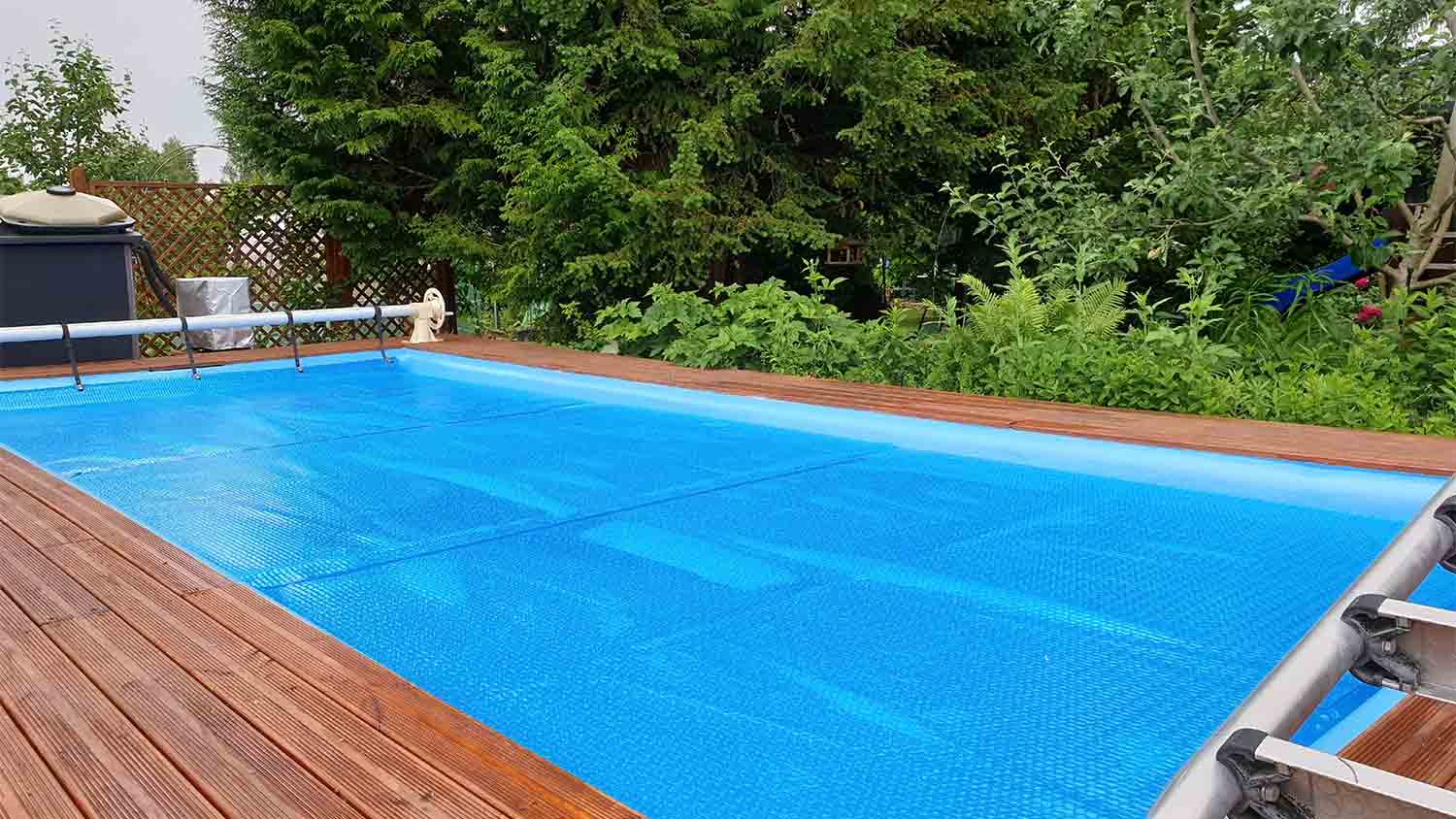
Discover the average cost of pool closing, what impacts pricing, and how to save. Get transparent estimates and expert tips for closing your pool.
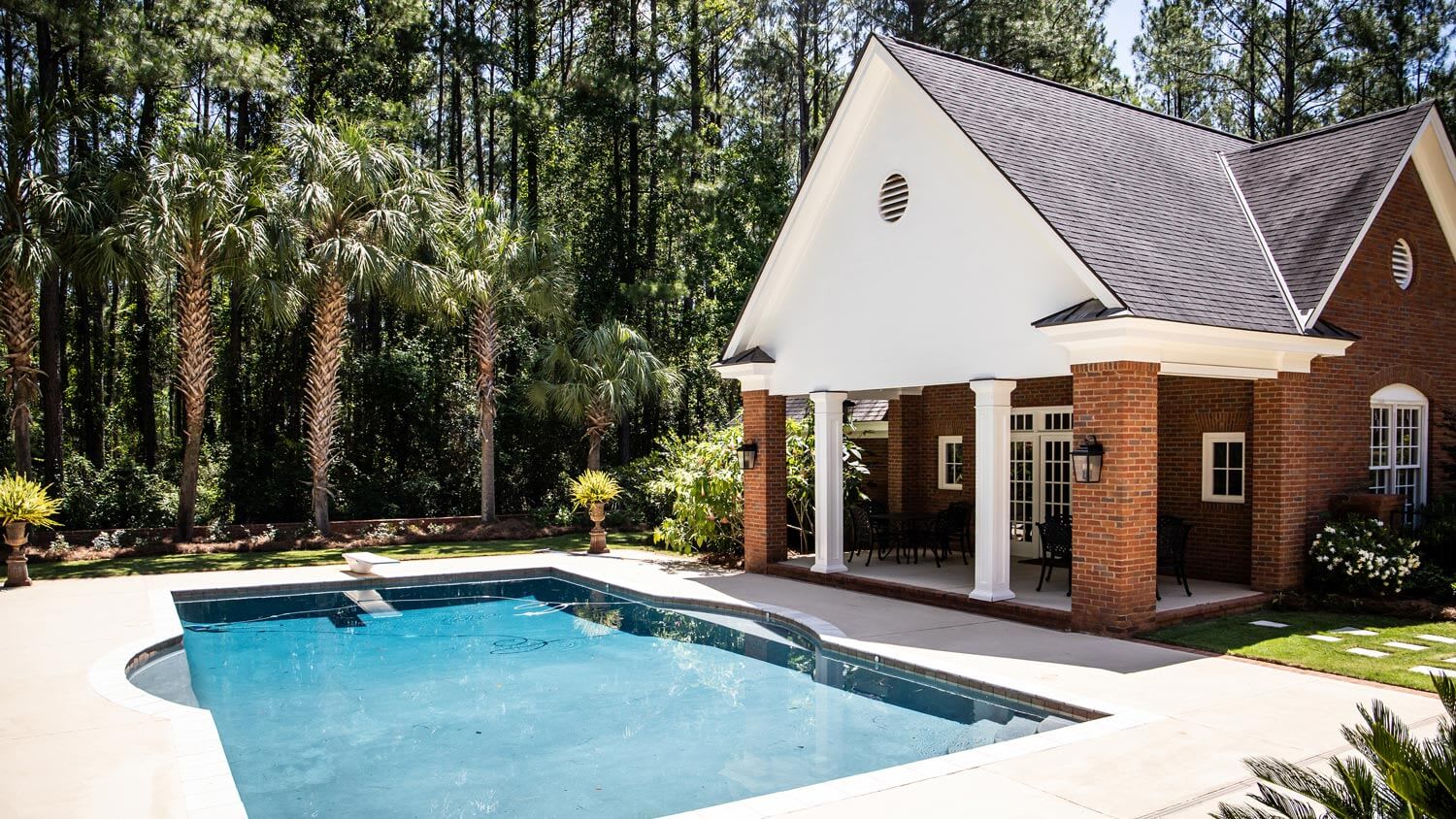
How much does it cost to fill a pool with water? It depends on the size of your pool and where you’re getting the water. This guide can help you budget.
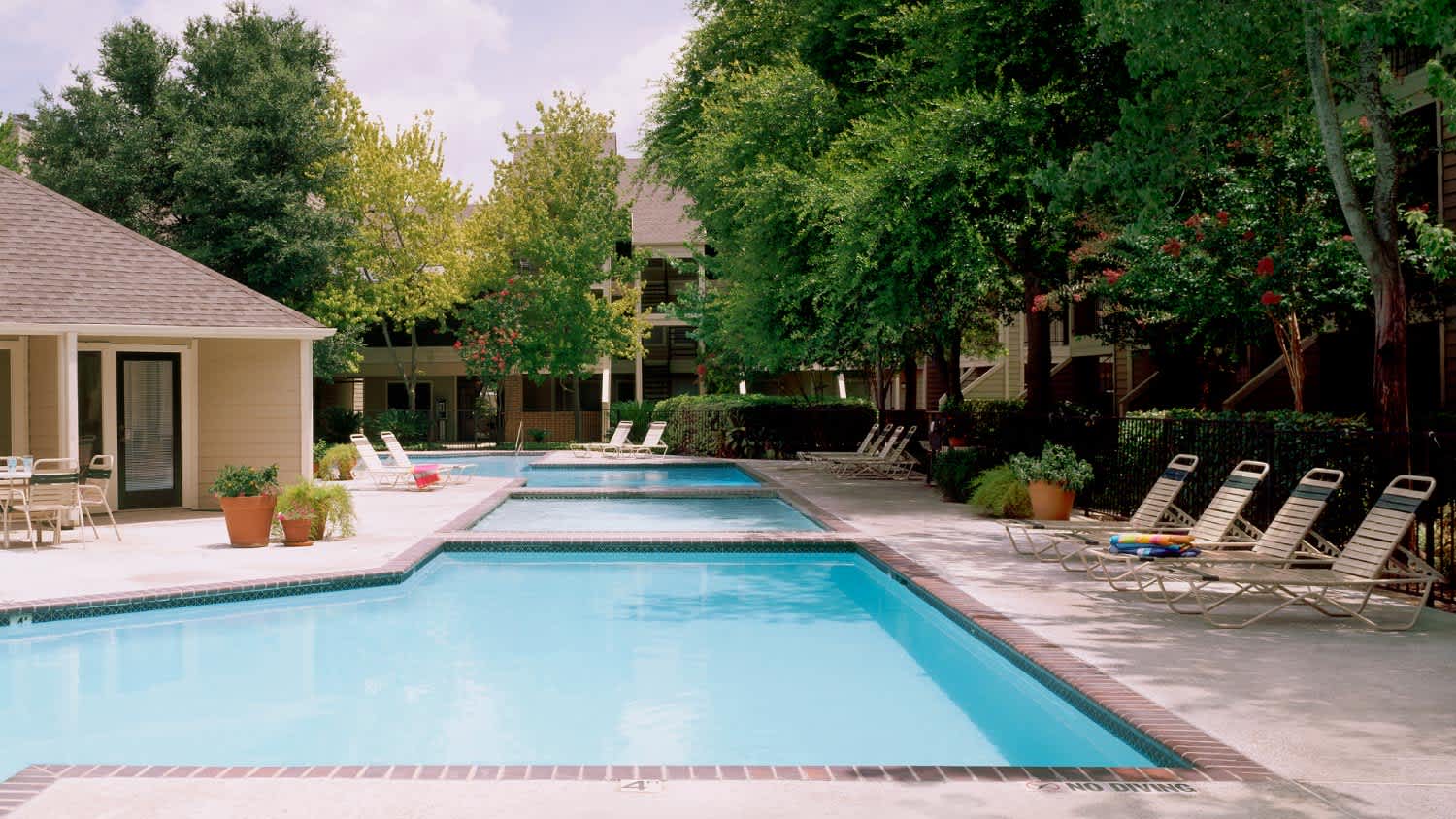
Getting your pool ready for the season or shutting it down afterward requires a talk with a pro about these pool opening and closing questions.
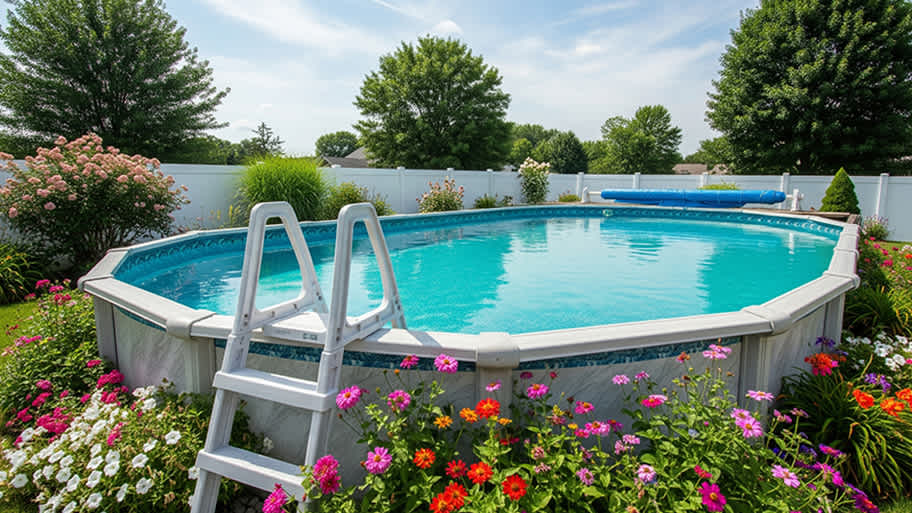
Dreaming of summertime swimming? Find out aboveground pool costs, including prices for materials, fun extras, and professional installation.
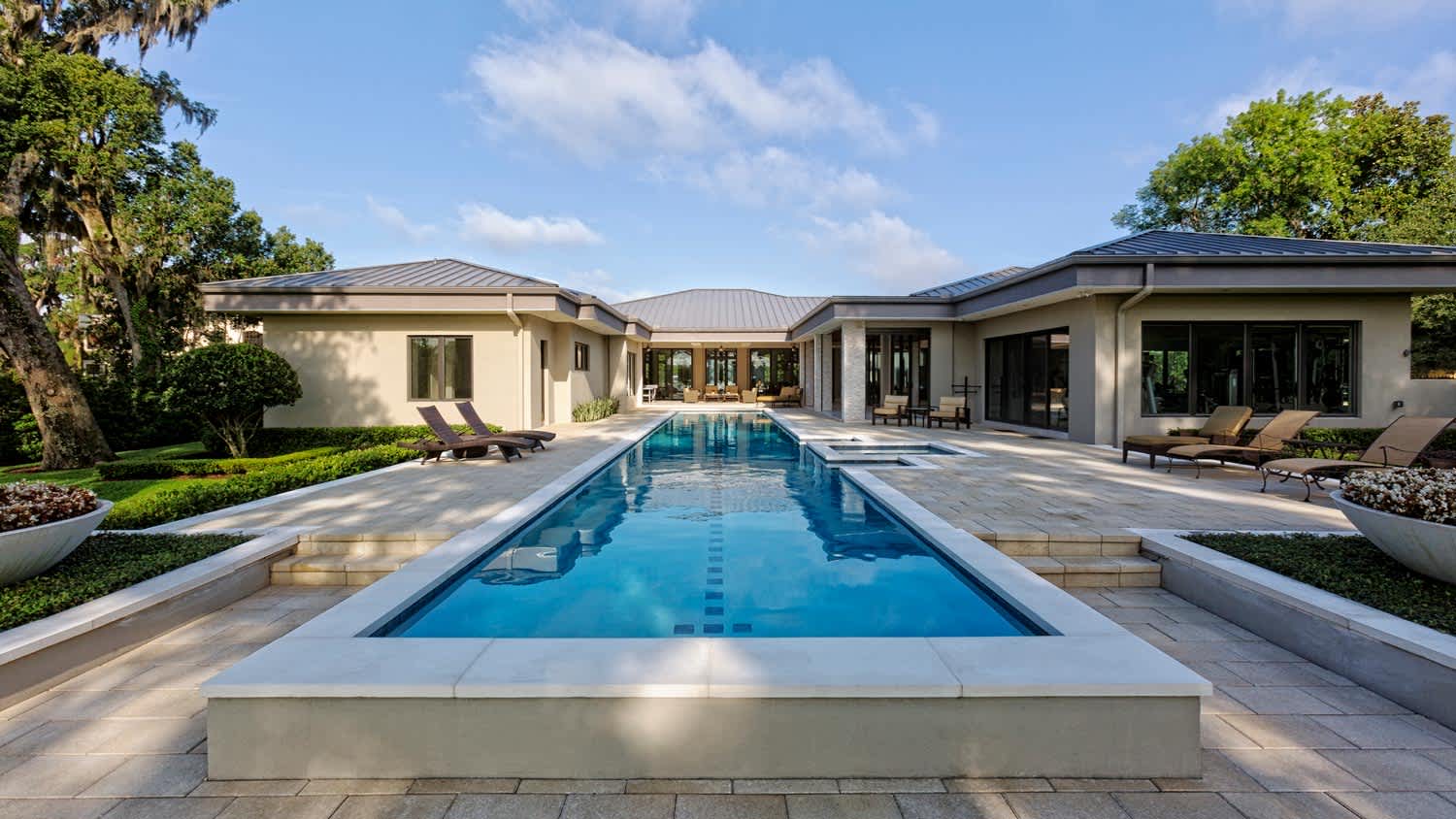
Lap pools are a great option if you're more interested in exercising than hanging out on a floatie. Learn all about lap pool costs in this guide.