Top-rated asphalt driveway pros.

Best asphalt driveway pros near Hobart, IN

Enter your zip and get matched with up to 5 pros

Need a pro for your asphalt driveway service project in Hobart, IN?

Select your specific project to find the pro for you.

TRUSTED BY HOBART, IN HOMEOWNERS

  • Average homeowner rating star icon4.6
    Average homeowner rating
  • Verified reviews icon94
    Verified asphalt driveway services reviews

Top-Rated Asphalt driveway pros in Hobart - Updated Nov 2026

...
Showing 1-10 of 174
Asphalt Driveways FAQs, answered by experts

New asphalt typically needs 24 to 72 hours to dry before it can handle light foot traffic and careful driving. Although it may appear solid after a few days, the full curing process, where the asphalt reaches its peak strength, takes much longer—generally from 30 days to a year.

During this extended curing time, the surface remains relatively soft and can be damaged by heavy vehicles, sharp objects, or high temperatures. To protect your investment, it's best to avoid parking heavy machinery on the asphalt until it has fully cured.

The exact time required for drying and curing depends on several factors, including the weather, the specific asphalt mix, and its thickness. For the most accurate advice tailored to your situation, consult with your asphalt contractor.
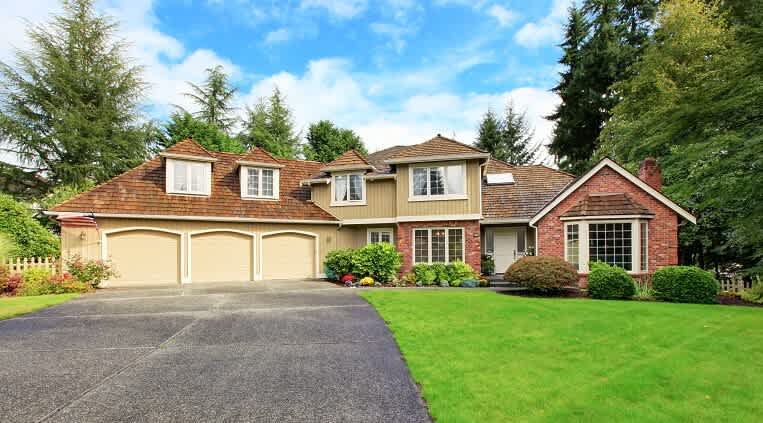
The dimensions of a driveway apron vary based on local building codes, the width of your driveway, and the distance between the driveway and the road. On average, aprons range from 12 to 24 feet wide and 8 to 18 feet long. Typically, the end of the apron connected to the driveway matches its width—such as 10 to 12 feet for a single-car driveway—while the end at the street flares out to allow cars to turn in and out more easily. In some areas, you may not be responsible for the portion of the apron that extends beyond the sidewalk, but this depends on local laws.

The choice between asphalt and concrete depends on your priorities, budget, and climate.

Concrete is generally more durable, lasting up to 50 years with minimal upkeep, and offers more customization options like staining and stamping, which can add more to a home's value. However, it is more expensive upfront and can be prone to cracking in cold climates where water can freeze and expand.

Asphalt is typically cheaper and quicker to install and is easier to repair. It performs better in colder climates. However, it requires more maintenance, including regular resealing, has a shorter lifespan, and can get hot and sticky in intense sunlight.

Ultimately, if durability and long-term value are key, concrete is often the better choice. If upfront cost and performance in cold weather are more important, asphalt may be preferable.

An ideal driveway gradient is between 2% and 5%. Anything lower than 1% or higher than 15% can cause problems for your car or property. A driveway with less than a 1% slope increases your likelihood of flooding and water damage, while a driveway with a 15% grade or higher can be too steep for safe traveling.

Think of the street as a way to capture all the elements on either side of the road, including the road—a street encompasses the homes or other buildings, the trees, and the road of a given area as defined by the beginning and end of the street on a map. A roadway, however, is the component of the street where cars travel.

The Hobart, IN homeowners’ guide to asphalt driveway services

From average costs to expert advice, get all the answers you need to get your job done.