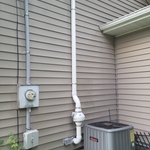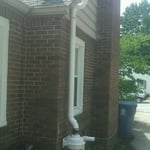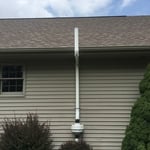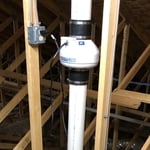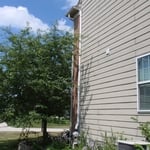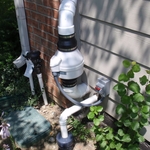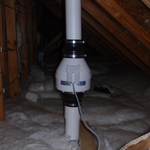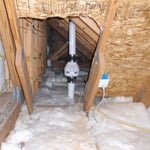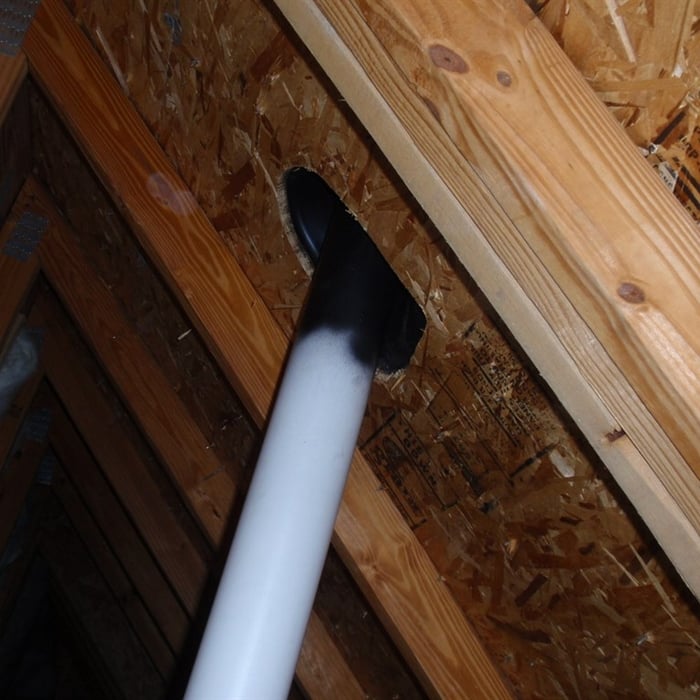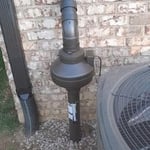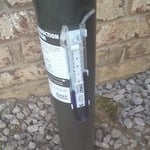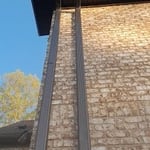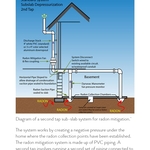


"Radon Technology was extremely responsive when I contacted them. Darrell inspected the appropriate location for the piping and even offered a solution that reduced outside visibility. The work performed was professional and clean. Highly recommend."
"They were easy to deal with and installed the system exactly as they described. We have yet to test the new radon levels, but have been assured it will work."
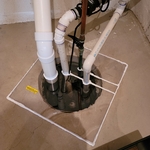
"Everything went well with them. I was very pleased with the job he did. I paid $90 extra for radon detection as well. Scheduling went well. I called him to set up the appointment. He was able to accommodate with my schedule. He was informative and explained what he was doing. This was the best home inspection I have had. I would definitely use him in the future."
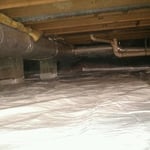
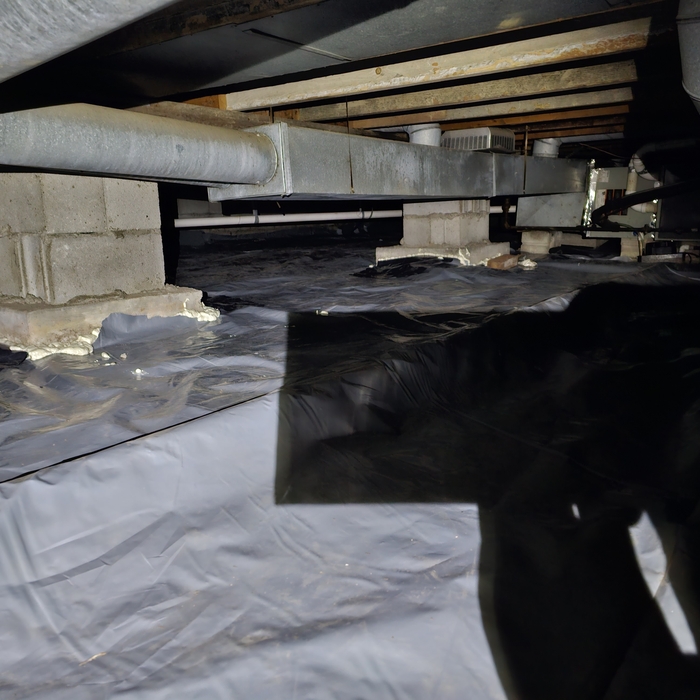
"Radon abatement isn't something you really want to hire someone for, but they did a great job of coming in and disturbing very little while they did the work. Even filled in my couple small crawl spaces to minimize radon from the ground."
Radon Detection and Reduction questions, answered by experts
No level of radon is technically safe, but since it is present everywhere, complete avoidance is impossible. The average radon level in homes across the United States is 1.3 picocuries per liter (pCi/L). The Environmental Protection Agency (EPA) recommends taking preventative measures if your home's radon levels are between 2 and 4 pCi/L or higher.
Radon is a cancer-causing radioactive gas that poses serious health risks, infiltrating homes through foundation cracks and unnoticed spaces.
Radon is the number one non-smoking cause of lung cancer in the United States, but it can cause some other concerning side effects in the meantime. If you have a raspy voice, chest pains, trouble breathing, difficulty swallowing, or any of the above, don’t hesitate to perform radon testing and install a mitigation system as soon as possible.
Yes, many systems include warranties for performance. Confirm terms with your installer.
No level of radon is technically safe, but since it is naturally present everywhere, it is impossible to avoid entirely. The average radon level in homes across the United States is 1.3 picocuries per liter (pCi/L). The Environmental Protection Agency (EPA) recommends taking action to reduce radon levels if your home's test results are between 2 and 4 pCi/L or higher.
The Alexandria, IN homeowners’ guide to radon detection and reduction services
From average costs to expert advice, get all the answers you need to get your job done.
Get clear answers on how much radon remediation costs, including average prices, key cost factors, and tips to save money on your home’s radon mitigation.
Find out what impacts radon testing costs, including average prices for DIY kits and professional services, so you can protect your home and budget confidently.
Radon is a gas that you can't see or smell and is harmful to your health. If your home has radon, you need to know who installs radon mitigation systems.