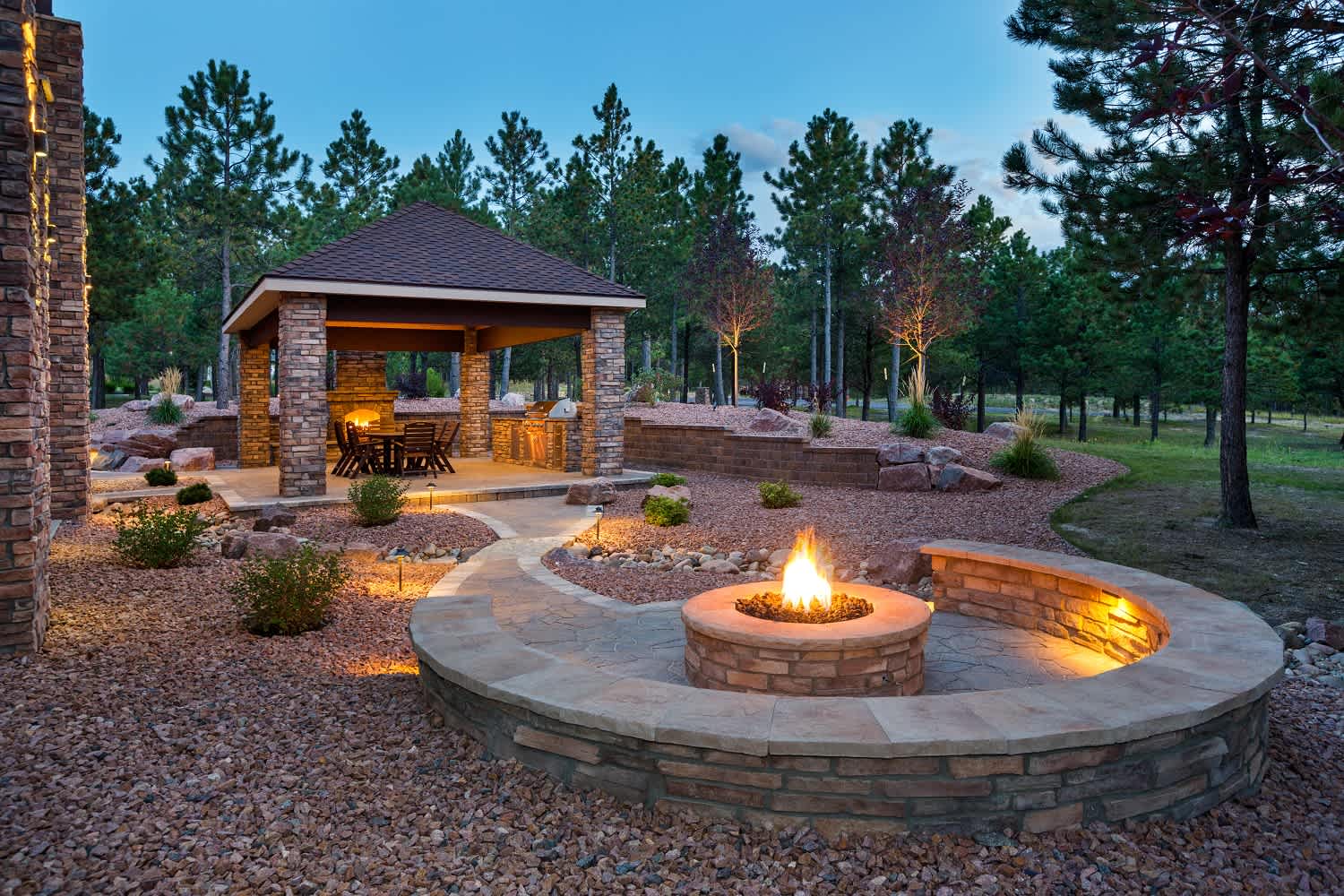



Get matched with top fire pit installation pros in Springfield, IL

Springfield homeowners rate fire pit installation pros in our network

4.2

(141 reviews)

Top-rated fire pit installation pros.

Need a pro for your fire pit installation project in Springfield, IL?

Select your specific project to find the pro for you.

Find Fire pit installation pros in Springfield

No results for Fire pit installation pro in

Try adjusting your search criteria.
Fire Pit Installation questions, answered by experts

Yes, a chimney damper is necessary. It controls airflow in and out of your fireplace, helping to retain heat when closed and allowing smoke to escape when open. Without a damper, your home could lose warmth during cold months, leading to higher energy bills. It also helps prevent downdrafts and keeps animals or debris from entering the chimney. In short, it’s essential for efficiency and safety.

In addition to flashing, a roof cricket can help divert water around your chimney so that it drains properly off your roof. It’s shaped like a double triangle and is installed behind the chimney so that falling water spills evenly down each side. This helps prevent water from accumulating behind your chimney, which can increase water damage and the risk of leaks. 

The International Building Code (IBC) requires cricket installation if a chimney built after 2012 measures over 30 inches in width. Chimneys constructed before that date are typically grandfathered in and aren’t required to have crickets installed.

Generally, an oil furnace is considered safer than a gas furnace for several reasons. While both types of furnaces can produce carbon monoxide, a leak in an oil furnace is easier to detect due to the smell. Oil furnaces also don't connect to a gas pipeline, which reduces the chance of a fuel leak. Most importantly, heating oil is not combustible, whereas natural gas is highly flammable. This means there is a much lower risk of combustion or explosion with an oil furnace. However, an oil furnace can still pose a fire hazard if it tips over.

A chimney requires both a cover and a cap, but these parts often get confused with one another. A chimney cover seals the top of the chimney around the flue pipe to prevent water from entering the chimney. A chimney cap is a piece that sits above the flue to prevent animals, debris, and water from entering the flue.

Short circuits can cause fires, electrical burns, and electrocution, which can lead to serious injury or even death. That’s why it’s important to take preventative measures to prevent short circuits, like getting annual electrical maintenance and an electrical inspection every two to five years, depending on the age of your home.

The Springfield, IL homeowners’ guide to fire pit installation services

From average costs to expert advice, get all the answers you need to get your job done.