






Top-rated radon detection and reduction specialists.

Get matched with top radon detection and reduction specialists in South Beloit, IL

Enter your zip and get matched with up to 5 pros

Need a pro for your radon detection and reduction project in South Beloit, IL?

Select your specific project to find the pro for you.

Find Radon detection and reduction specialists in South Beloit

Avatar for Bull's Eye Home Inspection
Bull's Eye Home Inspection
4.8(
28
)

Serving South Beloit, IL and surrounding areas

Approved

Super Service Award Winner

In business since 2014

Free estimates

Small jobs welcome

"Matt from Bull’s Eye Home Improvement was very attentive, responsive, and cordial throughout the quote and inspection processes. I would recommend him. In addition, his home inspection report was very well done, easy to interpret, and quickly delivered."
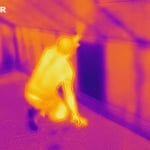
Knee wall in Chicago Bungalow
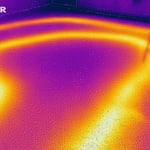
Hydronic floor heating
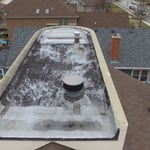
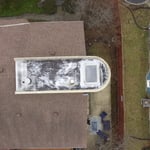
Small flat roof on gable shingled roof
Overview of townhome in Glenview
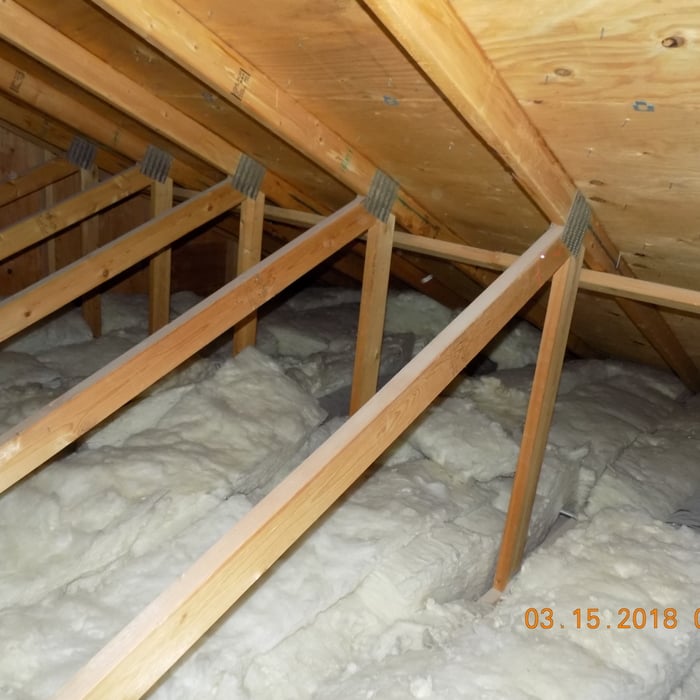
Townhome Attic

+4

Response time4 hrs
17 neighbors recently requested a quote
Recommended by92%of homeowners

Radon Detection and Reduction questions, answered by experts

The cost for a radon mitigation system typically ranges from $800 to $1,500, with an average around $1,000. The final price depends on several factors, including the size of your home, the severity of the radon issue, and the type of system required. Your home's foundation type also significantly impacts the cost. For example, sealing and ventilating an unfinished basement might cost around $4,600, while encapsulating a crawl space without a foundation slab can range from $1,500 to $15,000.

There are steps you can take as a homeowner to remediate radon yourself. While a radon reduction professional can make the biggest impact in your home, you can make efforts to improve radon levels on your own by sealing cracks, increasing ventilation, and testing for radon regularly.

Keeping radon from getting into your home is much better than having to get rid of it once it's already indoors. While there may not be a way to fully prevent radon from getting into your home, there are things you can do to reduce the gas's ability to enter. 

Sealing foundation cracks and openings can help keep the gas from seeping inside. Improving air flow, such as by opening windows, can also be helpful. If you're building your home from scratch, talk to your contractor about using radon-resistant construction to keep the gas out.

The soil beneath your house is most likely what’s causing an increased level of radon. This is because soil holds radioactivity for a long time and it’s also what most buildings are built on. Another common source of radon is water from a source that hasn’t been through periodic radon tests, such as well water. Over time, the radon from the soil can inhabit other parts of your house like the foundation or plumbing.

Options include sub-slab depressurization, crawlspace ventilation, and sealing cracks. Choose based on home construction and radon levels.

The South Beloit, IL homeowners’ guide to radon detection and reduction services

From average costs to expert advice, get all the answers you need to get your job done.

What do you need done? We’ll find top pros.
  • 🌱 "Mow a small front yard"
  • 🛠 "Fix a leaking pipe under the sink"
  • 🏠 "Repair shingles on an asphalt roof"