





Top-rated radon detection and reduction specialists.

Get matched with top radon detection and reduction specialists in Williams Bay, WI

Enter your zip and get matched with up to 5 pros

Need a pro for your radon detection and reduction project in Williams Bay, WI?

Select your specific project to find the pro for you.

Find Radon detection and reduction specialists in Williams Bay

Avatar for Lifetime Home Services
Lifetime Home Services
4.9(
110
)
Radon Gas - AbatementRadon Gas - Testing

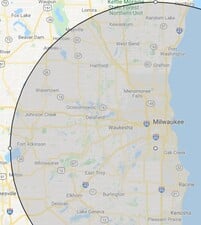
Serving Williams Bay, WI and surrounding areas

Approved

In business since 1998

Free estimates

Emergency services offered

"Lifetime Radon Solutions performed a wonderful job for us. Both Lindsay and Tiara at the main office provided all the details, provided us with a quote, answered numerous questions and coordinated all the work effort. They are consummate professionals. Mark performed the installation in a very efficient and professional matter; he was able to answer our numerous questions. He was very knowledgeable on radon mitigation systems. Chad also solved a problem with the battery backup system. He was also very knowledgeable on the sump pump system and answered numerous questions. We will definitely utilize Lifetime Radon Solutions for all radon mitigation needs in the future."
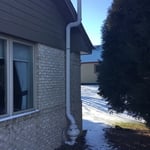
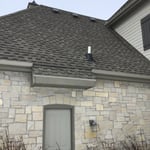
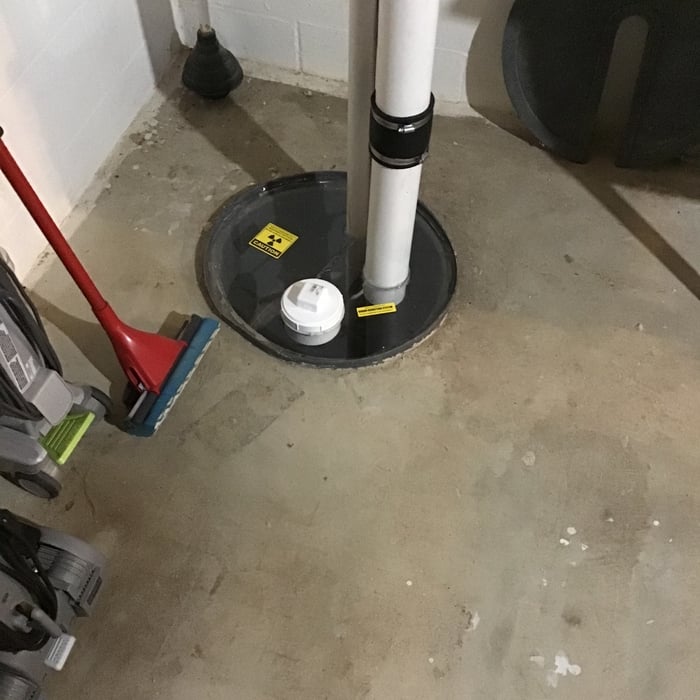
Additional Photos
Additional Photos
Additional Photos
Additional Photos
Additional Photos

+1

Response time2 days
Response rate100%
5 neighbors recently requested a quote

Avatar for Gardner Services
Gardner Services
4.7(
16
)
Radon Gas - Abatement

Serving Williams Bay, WI and surrounding areas

Approved

In business since 1996

Free estimates

Emergency services offered

"This is a high quality mold/fungi/fungus testing company, with excellent customer service and follow-up. The phones were picked up on the first call each time, and arranging for an appointment was very easy. They arrived on time, were efficient, informing, and friendly in their work, and brought commercial equipment to perform the test samples. The follow up phone call and email on the test results was good, and they provided a potential remediation plan for us to follow on the test results. The third party lab utilized by them had easy to understand numbers, graphs, and descriptions of what was tested. We will do business with Gardner Services again in the near future, and will recommend them to others."
Additional Photos
Additional Photos
Additional Photos
Additional Photos
Additional Photos

+18

Response time7 hrs
Response rate100%
13 neighbors recently requested a quote

Showing 1-10 of 13
Radon Detection and Reduction questions, answered by experts

The lifespan of a radon mitigation system depends on the type of system and its maintenance. With proper care, a system can last for many decades. Passive systems tend to last longer as they have fewer components that require replacement. Active systems, which have more moving parts like fans, generally have a shorter lifespan. For instance, water filtration devices and active pressurization systems require more frequent maintenance. While the system as a whole is durable, the radon fan in an active system typically has a lifespan of 5 to 10 years and will need to be replaced. As long as the fan is working, the mitigation system should function correctly.

Keeping radon from getting into your home is much better than having to get rid of it once it's already indoors. While there may not be a way to fully prevent radon from getting into your home, there are things you can do to reduce the gas's ability to enter. 

Sealing foundation cracks and openings can help keep the gas from seeping inside. Improving air flow, such as by opening windows, can also be helpful. If you're building your home from scratch, talk to your contractor about using radon-resistant construction to keep the gas out.

The natural breakdown of uranium in soil, rock, and water can cause radon to appear in a home. The gas seeps into homes through cracks in foundations, walls, or floors, as well as through gaps around pipes or construction joints. Radon levels are influenced by soil composition, building materials, and ventilation. Poorly sealed or airtight homes can trap radon, allowing it to accumulate.

The average radon mitigation system uses about 876 kWh of electricity per year, although the exact amount of electricity used will vary depending on the size of the radon fan. Once the system is installed, the annual increase to your energy bill could range from $30 to $300 per year, again depending on the size of the fan.

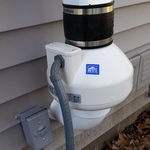
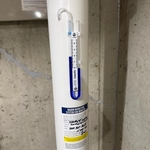
Many radon fans carry a five-year manufacturer's warranty. That said, your radon fan should last between five and ten years. Regular inspections will ensure the fan is operating properly. Unusual or exceptional noise coming from the fan or indications on your manometer or system monitor can immediately tell you that something is amiss.

The Williams Bay, WI homeowners’ guide to radon detection and reduction services

From average costs to expert advice, get all the answers you need to get your job done.