









Top-rated bird control service pros.

Get matched with top bird control service pros in South Beloit, IL

Enter your zip and get matched with up to 5 pros

Need a pro for your bird control service project in South Beloit, IL?

Select your specific project to find the pro for you.

TRUSTED BY SOUTH BELOIT, IL HOMEOWNERS

  • Average homeowner rating star icon4.1
    Average homeowner rating
  • Verified reviews icon135
    Verified bird control services reviews

Find Bird control service pros in South Beloit

Avatar for Anderson Pest Solutions
Anderson Pest Solutions
4.0(
49
)
Pest Control - Birds and Bats

Serving South Beloit, IL and surrounding areas

In business since 1913

Free estimates

Credit card accepted

"I used them for mosquito control Weather has a major impact on scheduling, so it was hard to set firm dates for service. Always showed up once they were scheduled. Treatments provided significant, but not total relief from mosquito problem. Price was good compared to other services. Techs were always pleasant and professional."
Recommended by89%of homeowners
Bird Control questions, answered by experts

When woodpeckers start banging on your walls or roof, they are probably looking for insects to eat, storing nuts for winter, drilling a hole to make a nest, or communicating with other birds to establish territory or find a mate.

The size of the hole can help determine the reason for the pecking. Small irregular holes are a result of insect hunts. Acorn holes are more consistently sized and often fitted with a nut in the middle. Nest holes are large and have rounded edges. If the bird is pecking to mark its territory or attract a mate, it may leave dents rather than holes, and the noise will stop when the mating season starts in spring.

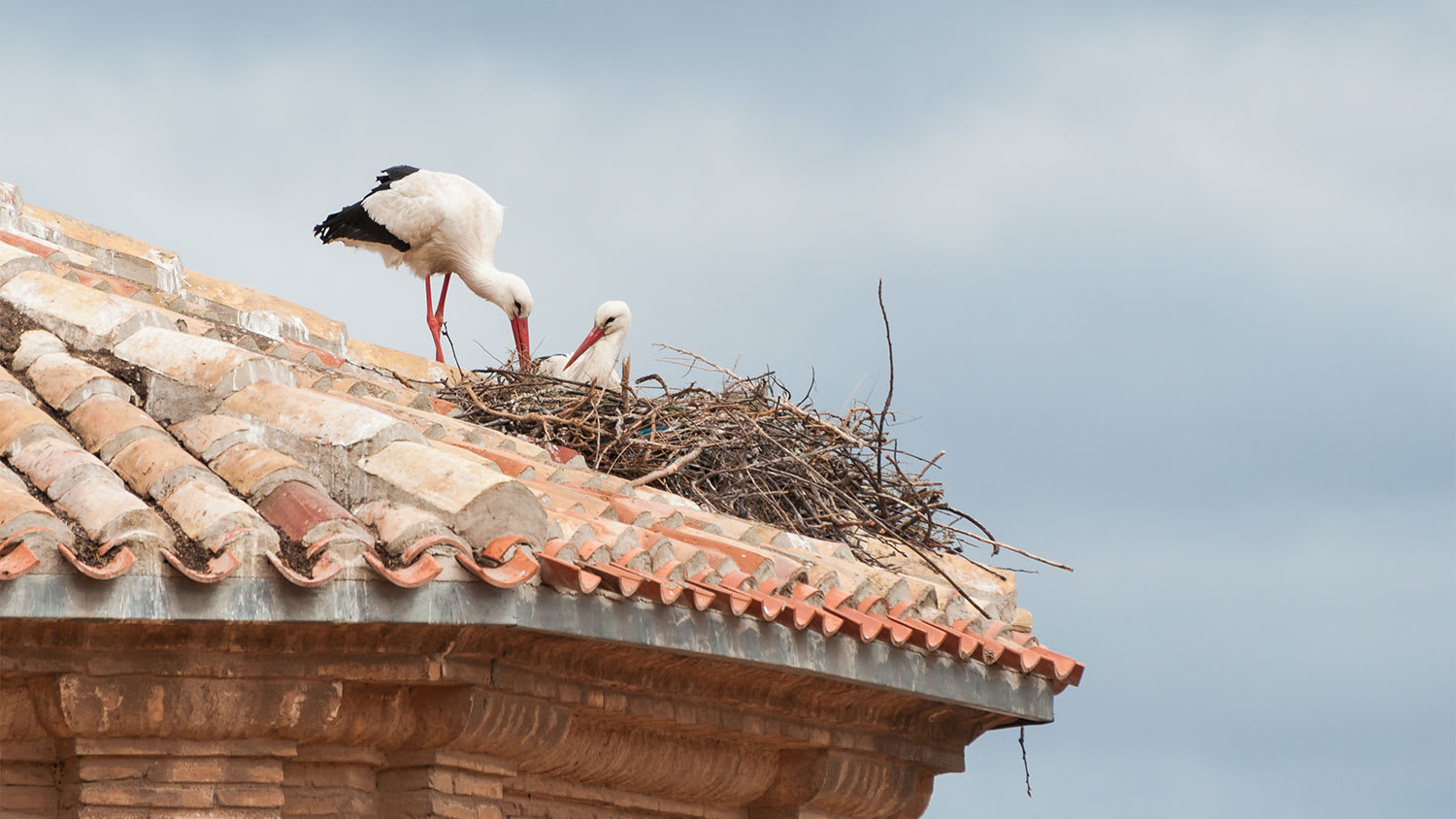
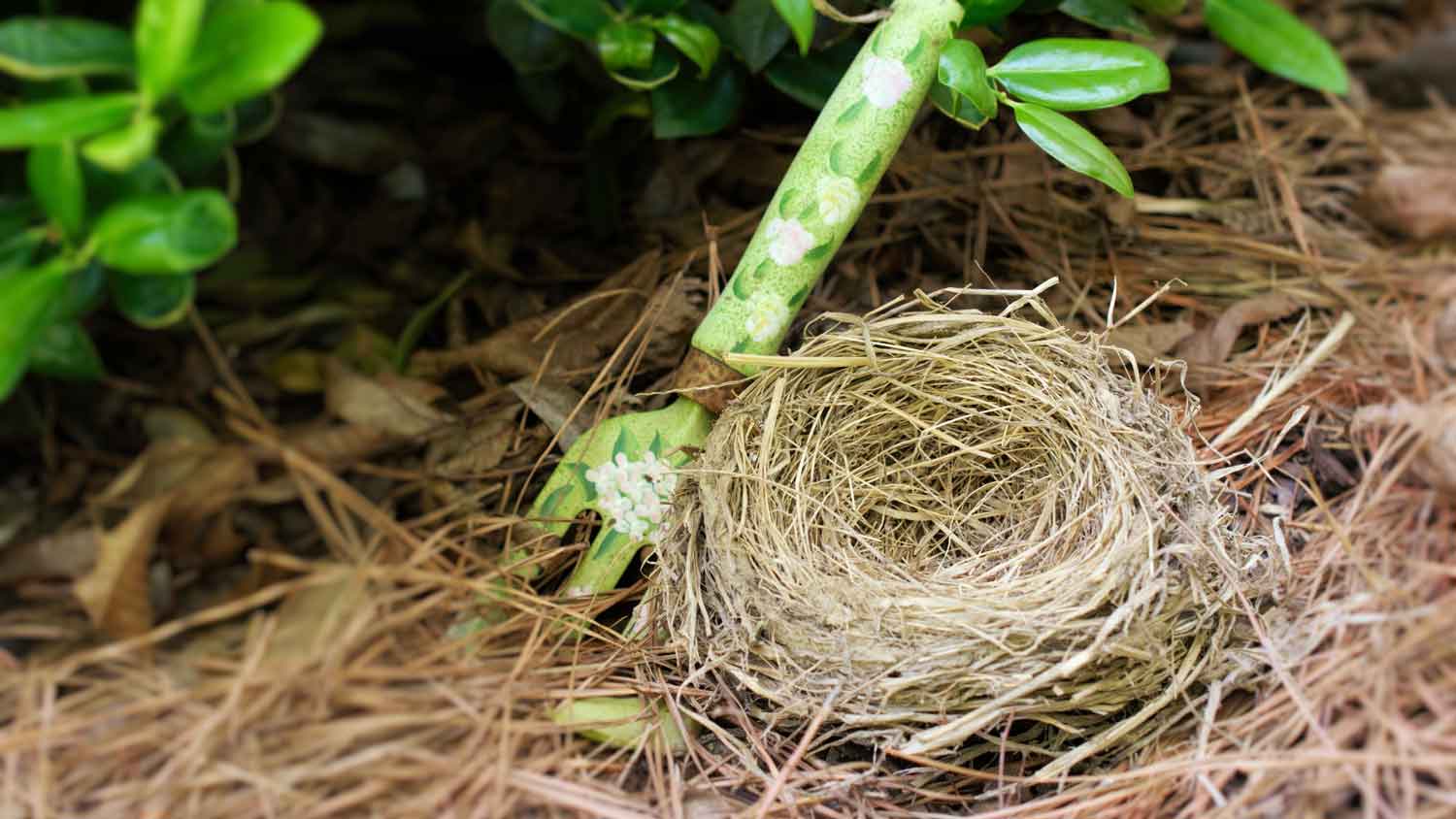
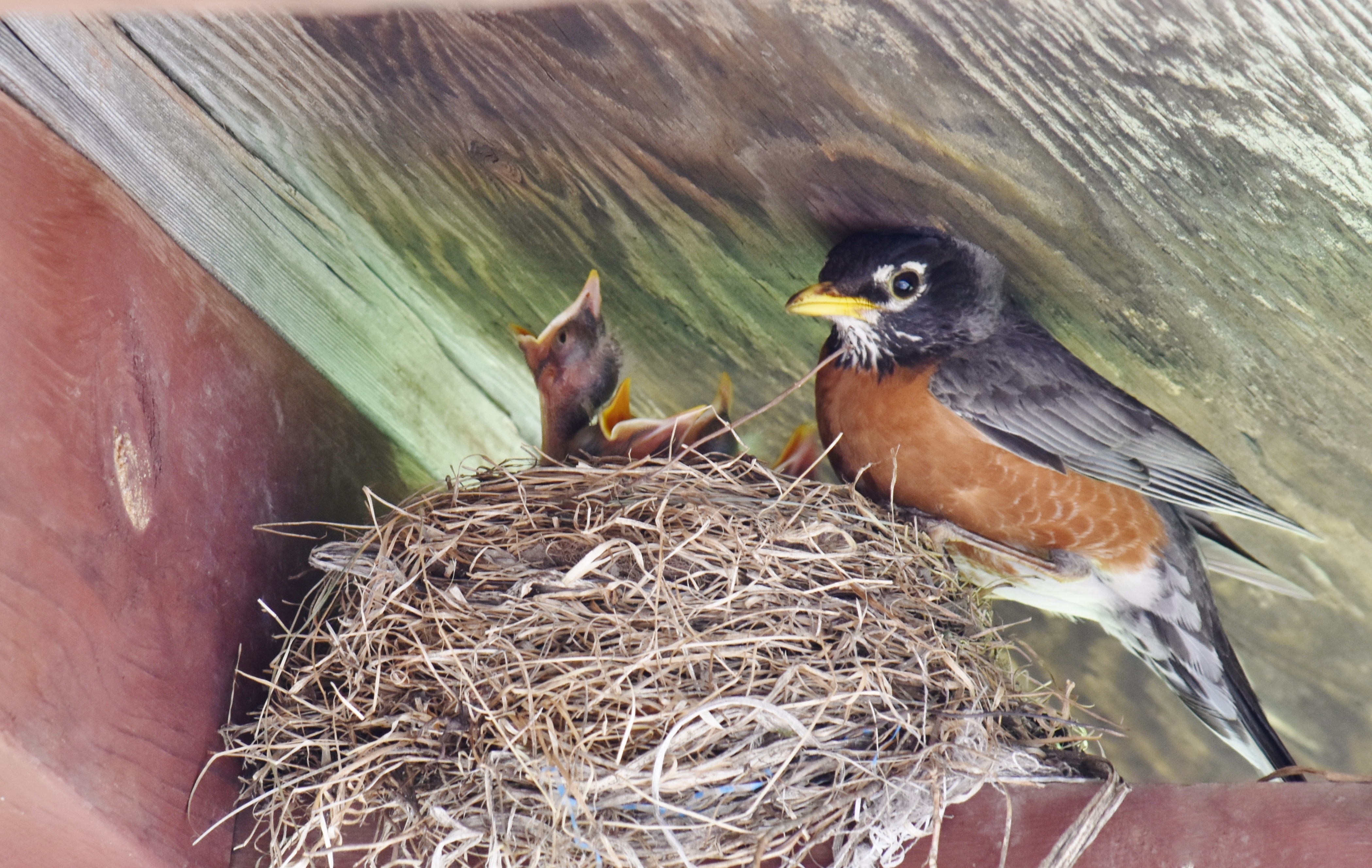
The lifespan of a bird's nest depends on the species. The building process can take from two days to three weeks. Once built, the nesting period for baby birds can last from two to ten weeks before they leave the nest. While most young birds are ready in two to six weeks, some predatory species may need up to two and a half months. Some species nest four to five times per year, so a nest could remain in use for several months. For specific information about a particular nest's longevity, it is best to consult a wildlife professional.

To keep animals out, you must prevent them from entering. As long as they can get in, the problem will persist. That said, consider making your attic less inviting using deterrents like motion-activated lights or ultrasonic devices. Additionally, keeping a well-maintained, clean, and uncluttered attic that you regularly inspect for activity may make the space less attractive to critters.

Once the animals and their young are out of the house, remove the nest and locate any entry points. Some may be difficult to find because some animals can fit through very small holes. Once you’ve located as many entry points as possible, use materials such as metal or masonry to block off the entry. Ideally, you should choose materials that most animals cannot chew through. Create a one-way door or flap to allow animals to leave but not return. Additional methods include using repellants designed to make an area unappealing to the types of animals that find your home so inviting. 

Some birds of prey, like owls, hunt at night. Hawks are diurnal and need good light to see their prey. You could see them circling anytime from dawn to dusk. Species like the common red-tailed hawk are most active in the early morning and late evening when their prey is also typically on the go.

The South Beloit, IL homeowners’ guide to bird control services

From average costs to expert advice, get all the answers you need to get your job done.