




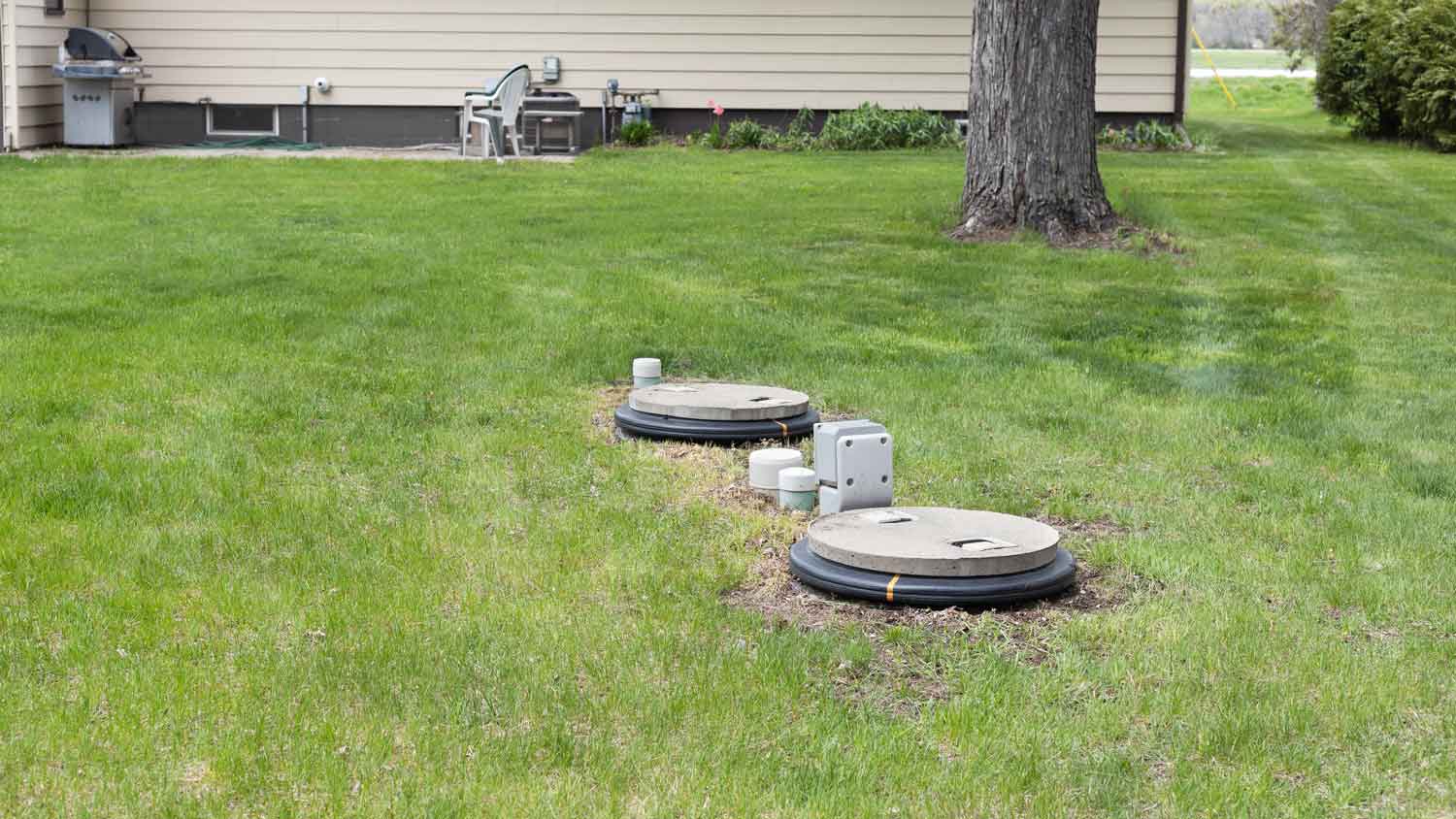
Top-rated percolation testing pros.

Get matched with top percolation testing pros in Prospect Heights, IL

Enter your zip and get matched with up to 5 pros

Need a pro for your percolation testing project in Prospect Heights, IL?

Select your specific project to find the pro for you.

TRUSTED BY PROSPECT HEIGHTS, IL HOMEOWNERS

  • Average homeowner rating star icon4.6
    Average homeowner rating
  • Verified reviews icon4k+
    Verified percolation testing services reviews

Find Percolation testing pros in Prospect Heights

No results for Percolation testing pro in

Try adjusting your search criteria.
Percolation Tests questions, answered by experts

Some pros may recommend covering a popcorn ceiling that tests positive for asbestos with beadboard ceiling planks or drywall. The cost to install a beadboard ceiling averages more than $5,000, but you likely will pay more than the average for the installer to deal with the asbestos safely. Installing a beadboard ceiling or new drywall will disturb the asbestos and release some microscopic fibers, so the installer will need to take precautions. 

Asbestos-containing materials are not easily affected by water and do not disintegrate or dissolve when exposed to it. However, porous materials can deteriorate due to water exposure, leading to the release of asbestos fibers into the air. The settling of asbestos fibers can also occur as water makes them heavy, which reduces the risk of airborne exposure, though future disturbance of the materials could cause risk. Wetting asbestos-containing materials does not constitute safe removal, and the proper handling and disposal of asbestos materials should be left to professionals.

According to the National Cancer Institute, asbestos-related diseases can take anywhere from 10 to 40 years for symptoms to appear. The health risks increase with prolonged and heavier exposure. Risk factors also include:

  • Amount of exposure

  • Chemical makeup, size, and shape of the asbestos fibers

  • Length of time a person is exposed to asbestos

  • Genetic factors 

  • Source of exposure (direct exposure or secondhand exposure from someone directly exposed)

While it's possible to cover asbestos tile with carpet, it's not recommended. Encapsulating tile beneath carpet doesn't eliminate the health risks. Over time, the asbestos tiles could degrade, releasing fibers into the air and potentially contaminating the carpet. Disturbance during carpet installation or removal might also release fibers.

Epoxying over asbestos tiles is generally considered a safe option when done correctly. Epoxy acts as a sealant, encapsulating the asbestos tiles and preventing the release of asbestos fibers into the air. The key is ensuring that the asbestos tiles are in good condition, firmly adhered to the substrate, and not damaged or deteriorating. This method is only appropriate for tiles that are undamaged and securely in place. If the asbestos tiles are already loose, damaged, or deteriorating, encapsulating them with epoxy may not be a sufficient solution, as it might not address the potential for ongoing asbestos exposure.

The Prospect Heights, IL homeowners’ guide to percolation testing services

From average costs to expert advice, get all the answers you need to get your job done.