


Top-rated arborists.

Get matched with top arborists in Lovington, IL

Enter your zip and get matched with up to 5 pros

Need a pro for your arboricultural service project in Lovington, IL?

Select your specific project to find the pro for you.

TRUSTED BY LOVINGTON, IL HOMEOWNERS

  • Average homeowner rating star icon4.7
    Average homeowner rating
  • Verified reviews icon37
    Verified arboricultural services reviews

Find Arborists in Lovington

Avatar for L&R Excavation
L&R Excavation
5.0(
2
)
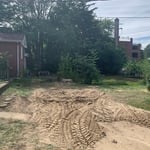
Tree Stump - RemoveTree Stump - Remove - For Business

Serving Lovington, IL and surrounding areas

Approved

Offers commercial services

"I needed my garage torn down a removal if it. They were very efficient and cleaned the site perfectly. I'm very pleased. Very friendly staff and very knowledgeable. I would highly recommend them."
Site prep
Site prep
Drainage Ditch repair

+7

32 neighbors recently requested a quote
Avatar for Scenic services LLC
Scenic services LLC
4.6(
14
)
Tree Trimming

Serving Lovington, IL and surrounding areas

In business since 2021

Free estimates

Small jobs welcome

"Thomas and his team did a pretty good job in my landscaping area. They were very kind and professional and would recommend them if you have a project to do in your house."
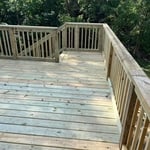
Deck
Deck
Deck and retaining wall

+32

Response time7 hrs
Recommended by84%of homeowners
Showing 1-10 of 41
Arborists questions, answered by experts

Although it’s possible, heavy machinery like a crane is necessary for removing an entire tree stump and all. This procedure is extremely costly, time-consuming, and usually unnecessary, as there are plenty of convenient and affordable stump removal options. 

Your best bet, if you want to be sure to remove a tree and its stump efficiently, is to speak with a professional. They’ll be able to walk you through the entire process.

Hiring an arborist costs around $900 on average, with prices ranging from $250 to $2,500 or more. Some arborists charge an hourly rate, typically between $100 and $350 per hour. The final cost depends on several factors, including the type of work, the number of trees, accessibility, and whether you hire an independent arborist or a larger tree service company. When hiring, you should also consider their experience and insurance coverage.

Below are some estimated costs for common arborist jobs:

  • Small tree removal: $300 to $500

  • Large tree removal: $500 to $2,000 or more

  • Tree health assessment: $150

  • Trimming a small tree: $75 to $200

  • Trimming a large tree: $150 to $400

  • Dealing with invasive species: $150 to $1,000 or more

Lightning can cause massive damage, fires, and openings for other threats like bugs or fungal diseases. Barring any large fires or explosions, it’s difficult to tell how much damage a lightning strike has done until after a thorough inspection. Contact local authorities immediately if lightning strikes a tree in your yard and it causes a fire or explosion.

Whether tree roots will continue to grow after a tree has been cut down depends on the species. Some tree roots will eventually die because they can no longer get nutrients through photosynthesis. However, other species that reproduce through root sprouts can continue to grow and produce new sprouts for seven years or more. For example, the roots of elms, ficus, and willows tend to regrow aggressively, while the roots of pines, oaks, and maples will typically die. To determine if a root system is still active, look for new sprouts on the old trunk, stump, or any exposed roots.

The best time to transplant a tree is when it is dormant. For many trees, this means either in the fall after the leaves have dropped (around October or November) or in early spring before new growth begins (around March). The ideal timing can depend on the type of tree. Deciduous trees do well when moved in early spring or fall, while evergreens are best transplanted in early spring or late summer. For example, pine trees are best moved in early fall, but maples prefer late fall. Avoid transplanting in winter, as the frozen or hard, cold soil poses a significant risk to the roots and prevents the tree from acclimating properly.

The Lovington, IL homeowners’ guide to arboricultural services

From average costs to expert advice, get all the answers you need to get your job done.