

Top-rated arborists.

Get matched with top arborists in Arcola, IL

Enter your zip and get matched with up to 5 pros

Need a pro for your arboricultural service project in Arcola, IL?

Select your specific project to find the pro for you.

TRUSTED BY ARCOLA, IL HOMEOWNERS

  • Average homeowner rating star icon4.2
    Average homeowner rating
  • Verified reviews icon78
    Verified arboricultural services reviews

Find Arborists in Arcola

Avatar for Block Arborcare
Block Arborcare
5.0(
3
)

Serving Arcola, IL and surrounding areas

In business since 2024

Free estimates

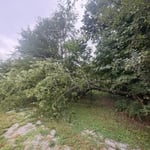
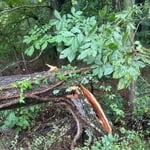
"Connor went above and beyond. I had a very large tree limb fall and and go through a fence. He came out to give a quote and mentioned he could repair the fence as well. Work was completed in a timely manner and price was very fair. Will definitely recommend to anyone I know looking for tree work!"

Recommended by100%of homeowners
Showing 1-10 of 40
Arborists questions, answered by experts

It is possible to cut down a tree on your property yourself, but it is generally not recommended unless specific conditions are met. You should only consider this project if the tree is small (e.g., under 4-5 inches in diameter and short enough that you don't need a ladder to reach the branches), and you are experienced in handling a chainsaw. The tree must also be located far from any power lines, fences, homes, or other structures. Even for small trees, the work can be dangerous, and it's always advisable to have a spotter to ensure the tree falls correctly and no branches fall on you.

For any tree that is large, requires a ladder to access, or is near electrical lines or structures, you should always hire a professional. Attempting to remove a large tree yourself is extremely dangerous, poses a risk of serious injury, and could result in significant damage to your property.

Before any tree removal, it's also important to check your local and state regulations to ensure the tree is not historic or otherwise protected by your city.

Trees don’t usually grow back after being cut down. Some particularly robust tree species may start sending up new stems from a stump to recover, but those stems won’t become a “tree” like before. Generally, trees don’t recover from being entirely cut down, which is why it’s important to be careful when making a decision. When you cut down a tree, it’s a good idea to make plans to remove the stump, even if it’s unlikely to grow back.

Dutch elm disease can’t harm humans. In fact, according to Cal Fire, bark beetles aren’t even typically dangerous to trees unless that tree is already weakened. The problem comes when Dutch elm disease kills a tree. That tree is more at risk of falling and catching fire, which can pose a serious threat.

Pruning is an effective way to prevent a diseased branch from infecting the rest of the tree. If the infection isn’t caught early enough and the pathogen has spread to the trunk or the majority of the branches though, it is too late to prune off the affected areas and you’ll likely need to remove the tree.

You can use the formula mentioned earlier to calculate the depth of tree roots. Each inch of width of a tree trunk translates to six inches of depth within the root system. Large trees extend anywhere from 2 to 6 feet into the ground, with some magnificent specimens going even deeper.

The Arcola, IL homeowners’ guide to arboricultural services

From average costs to expert advice, get all the answers you need to get your job done.