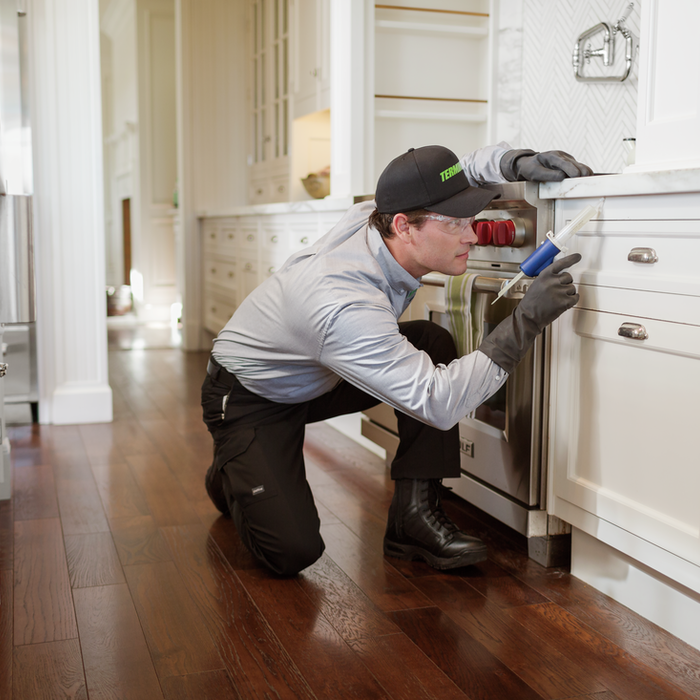
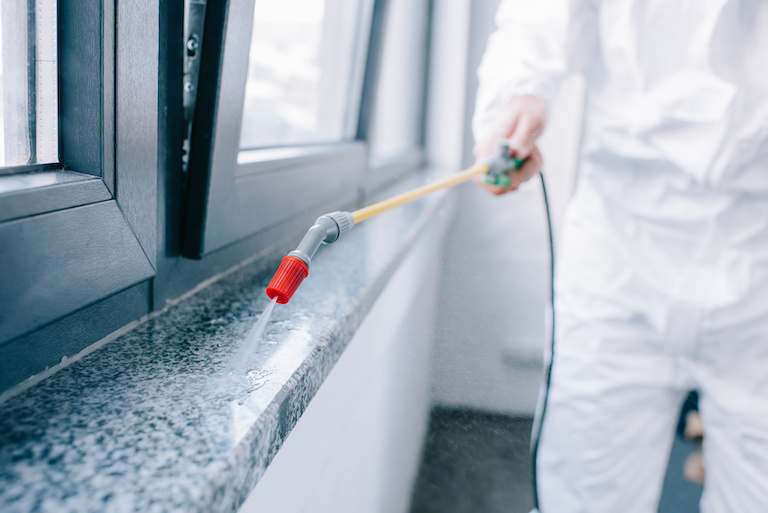
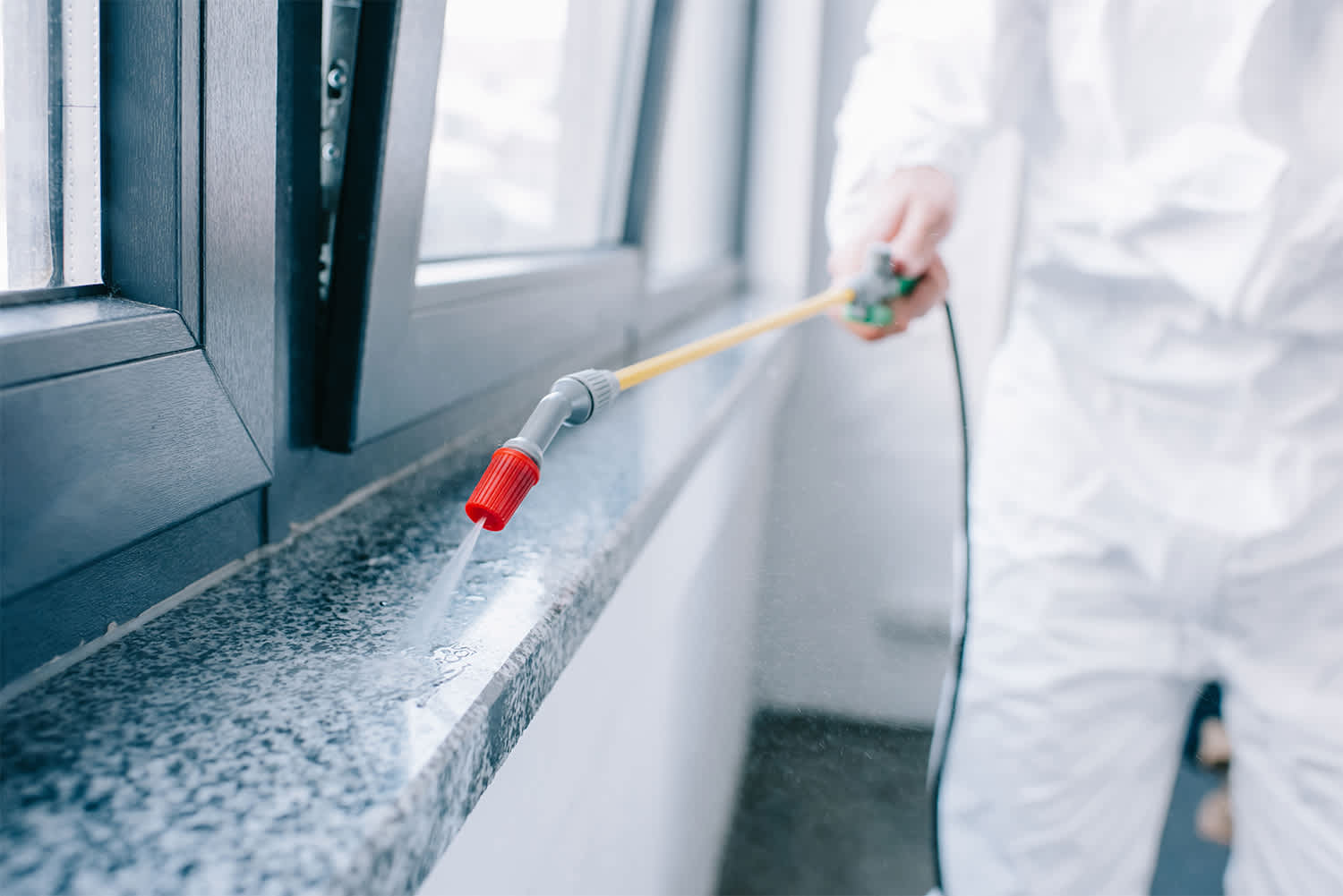
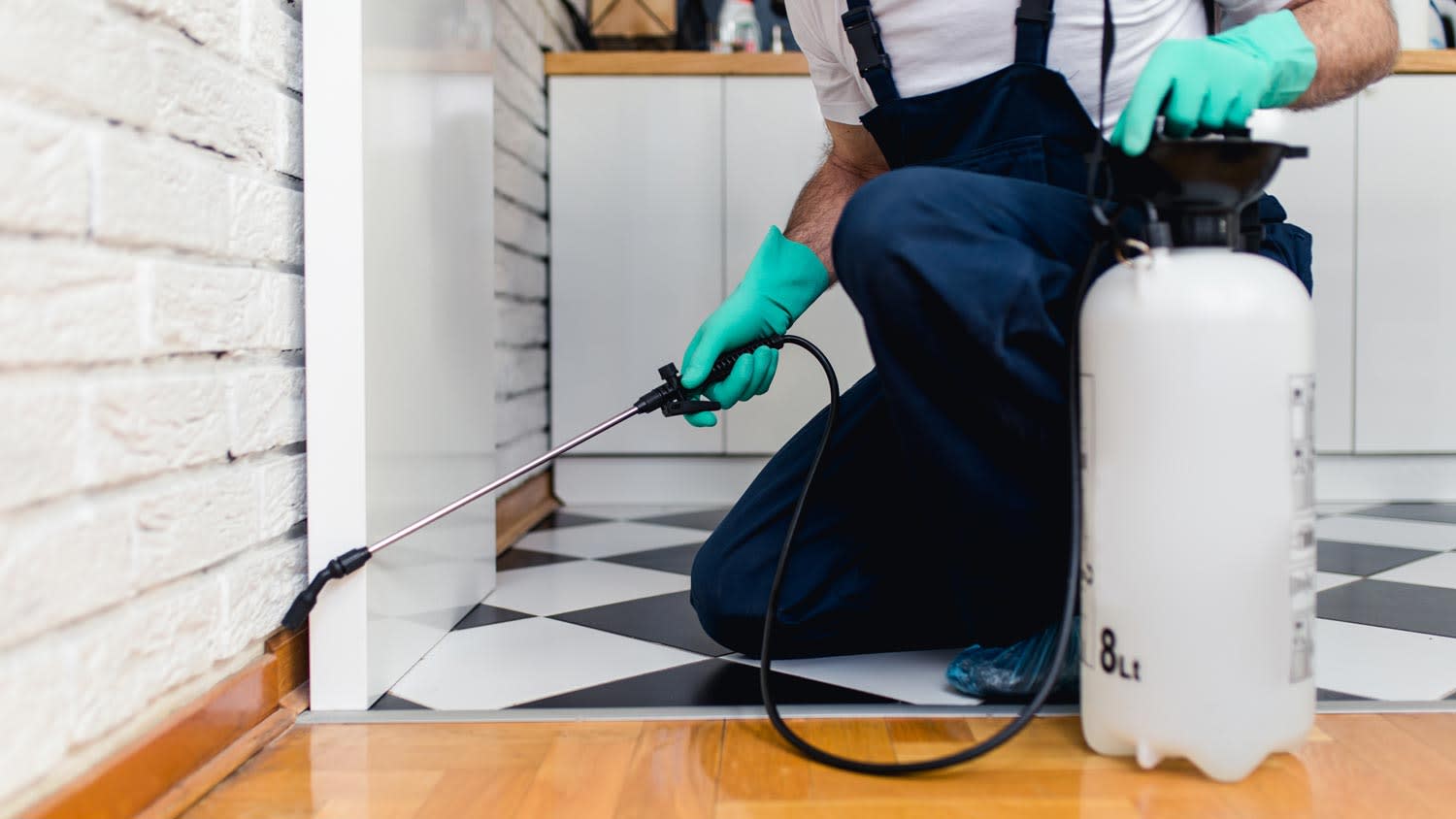
When pests show up, so do we.\n\nFor nearly a century, Terminix® has been one of America's most trusted names in pest control. Every day, our exterminators serve thousands of homes and businesses nationwide, combining national service with local knowledge to provide best-in-class, proactive pest management solutions. We stop problems before they start and respond quickly if issues arise, keeping your property protected.\n\nAnd for extra peace of mind, if pests come back, so do we — guaranteed.\n\nThe Terminix It Guarantee means that if pests come back, so do we, to re-treat at no additional cost. No excuses, just a commitment to care for your home like it's our own with protection you can trust.
"From sales, termite application, and pest control Price Termite & Pest Control where professional and friendly. I was able to watch the treatments and they were exactly what was explained to me in my first meeting - no deviation or shortcuts. I highly recommend this company"
"I have a contract with them so I have to use them again. It pays for itself eventually if you get good repair people. You don't control who they send."
When it comes to protecting homes, Terminix has satisfied more customers than any other insect and pest control company in the industry, with more than 15 million service visits annually.
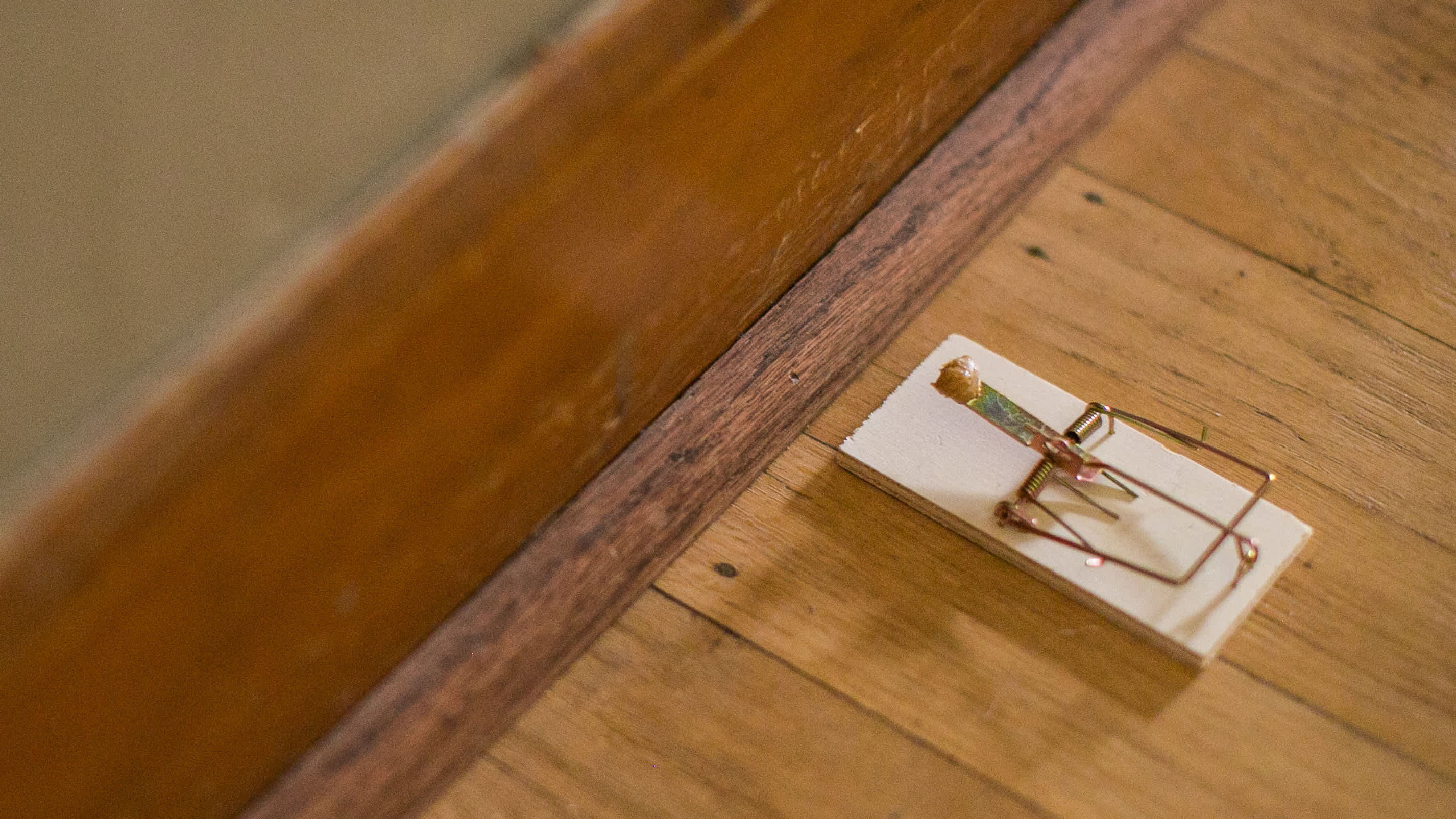
Setting up an animal trap in your yard largely depends on where you live and the type of critter you're dealing with. In many states, trapping nuisance animals like squirrels, rats, or raccoons is allowed, sometimes without needing a permit. However, certain wildlife species are protected, and not all states have lenient catch-and-release regulations.
Before placing a trap, check your local laws to avoid fines or other legal issues. Some areas allow DIY trapping, while others may require professional assistance. Most areas require a professional to relocate the animal once trapped. Consulting a pro ensures you handle the situation responsibly, humanely, and within the law.
The purpose of a wasp is as a predator to maintain balance in ecosystems. Wasps prey on many insects, including other wasps, spiders, caterpillars, flies, beetles, and more. Without wasps, these insects may become overpopulated. Some wasps also help pollinate, which can be beneficial to your garden.
Once the animals and their young are out of the house, remove the nest and locate any entry points. Some may be difficult to find because some animals can fit through very small holes. Once you’ve located as many entry points as possible, use materials such as metal or masonry to block off the entry. Ideally, you should choose materials that most animals cannot chew through. Create a one-way door or flap to allow animals to leave but not return. Additional methods include using repellants designed to make an area unappealing to the types of animals that find your home so inviting.
Some plants that are toxic to animals or insects are also toxic to people. Daffodils, for example, are considered poisonous to humans (although they are rarely fatal). Most of the other plants listed above, however, are safe (and delicious!) for humans to eat, including basil, rosemary, and lemongrass.
Raccoons are primarily crepuscular and nocturnal, meaning they are most active at dawn, dusk, and throughout the night. While less common, they may come out during the day to find food, especially in warm months or during the spring birthing season (April and May) when caring for their young. Seasonally, raccoons are active year-round and do not truly hibernate. However, during periods of severe cold, they will often remain in their dens for extended periods.
The Griggsville, IL homeowners’ guide to pest control services
From average costs to expert advice, get all the answers you need to get your job done.
You’re not alone if you’re hoping to avoid harmful pesticides around your home to keep out pests. Here’s what you need to know about green-friendly pest control.