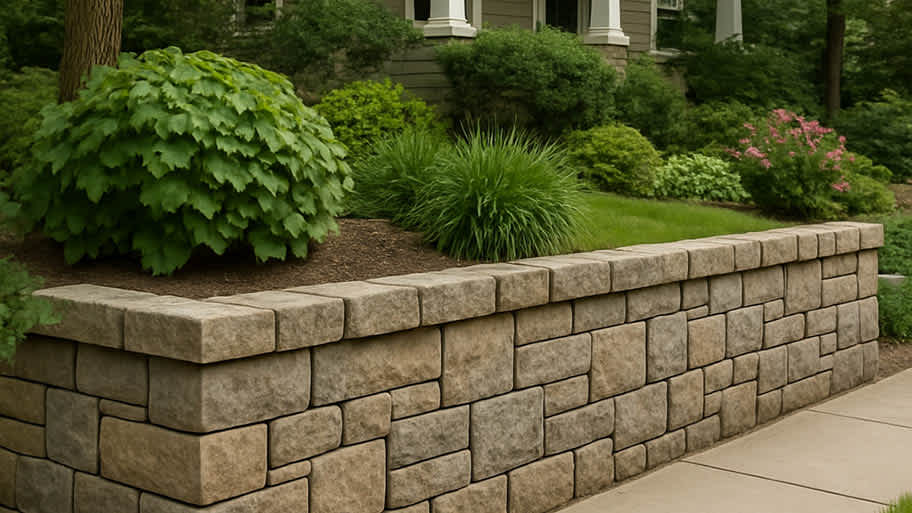




Top-rated retaining wall installation pros.

Get matched with top retaining wall installation pros in Effingham, IL

Enter your zip and get matched with up to 5 pros

Need a pro for your retaining wall installation project in Effingham, IL?

Select your specific project to find the pro for you.

TRUSTED BY EFFINGHAM, IL HOMEOWNERS

  • Average homeowner rating star icon3.9
    Average homeowner rating
  • Verified reviews icon10
    Verified retaining wall installation services reviews

Find Retaining wall installation pros in Effingham

TS Tedrick Home Improvement
New to Angi
Retaining Wall - Install

Serving Effingham, IL and surrounding areas

In business since 2006

TS Tedrick Home Improvement a locally owned, full service contractor with 11 years of experience providing high quality service to home owners in Effingham and surrounding counties. We specialize in prompt & courteous service, along with competitive prices. We care about each individual by meeting his or her specific needs. We strive to make you a repeat customer. We offer a variety of services, which include concrete driveways, walks, patios and pool decks. In addition, we install retaining walls, siding, fences, cabinets, and countertops. We also do remodels and renovation of kitchens, bathrooms, basements, and garages. Call us today to make your custom dreams come true.

Showing 1-10 of 24
Retaining Wall Installers questions, answered by experts

Generally speaking, a retaining wall should be between 3 and 4 feet high, depending on variables such as the wall-building material, the purpose of the retaining wall, and more. If you want your retaining wall to be taller than 4 feet, check with your local building ordinance office for the maximum allotment. You may also need a special permit for retaining walls over 4 feet tall.

If you don’t backfill a retaining wall—either at all or adequately enough—the wall won’t drain well, and water will be able to pass through it. Poor drainage will lead to a warped wall or a buildup of hydrostatic pressure, which can eventually collapse your retaining wall. If you have particularly sloped land, consult a structural engineer to ensure your hardscaping is adding value to your home.

While vinyl is the least costly material for building a retaining wall, the most cost-effective method is to use wood or concrete blocks for a DIY retaining wall under 2 feet tall. Wood is inexpensive but lasts 20 years or more with care. Concrete can cost a little more but is stronger and will last longer with less maintenance.

The lifespan of a retaining wall varies based on its material, installation quality, maintenance, and local climate, with an average range of 20 to 100 years. Retaining walls made from durable materials like concrete, stone, and brick generally last a minimum of 50 years. Concrete walls typically last between 50 and 100 years, while brick can last for over a century in ideal conditions. Timber retaining walls can last from 20 to 40 years, depending on the wood quality, and pressure-treated wood walls average around 30 years. It is important to note that a retaining wall can fail prematurely if it was poorly constructed, for example, with inefficient footings or without necessary rebar reinforcements.

Railroad ties can be good for retaining walls, but it depends on the area. They have a desirable rustic look and are durable. The problem is they’re treated with creosote, a preservative the EPA says poses a risk to humans and wildlife. Over time, the preservative seeps out of the wood and into the ground. Many areas have banned the use of creosote-treated wood on residential properties. If your area does allow it, never use railroad ties near an edible garden or drinking water source. Instead, use wood that’s treated with an EPA-approved preservative or a wood-alternative composite material.

The Effingham, IL homeowners’ guide to retaining wall installation services

From average costs to expert advice, get all the answers you need to get your job done.