


Top-rated tree service pros.

Get matched with top tree service pros in Clayton, IL

Enter your zip and get matched with up to 5 pros

Need a pro for your tree service project in Clayton, IL?

Select your specific project to find the pro for you.

Find Tree service pros in Clayton

Avatar for Tri State Forestry, LLC
Tri State Forestry, LLC
4.8(
14
)

Serving Clayton, IL and surrounding areas

Approved

In business since 2020

Free estimates

Credit card accepted

"Mason came in a very timely manner to take a look at my walnut tree in my back yard. He knew I didn't want to lose the tree but needed it cleaned up because it was in bad shape. He made it look absolutely beautiful and it's healthier than I've ever seen it. He also cleaned up everything that fell to the ground like he was never there! I'll definitely be calling him again for future tree work. I would recommend highly Tri state forestry !"
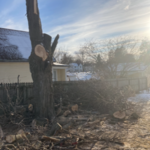
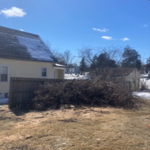
Project Photos
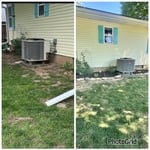
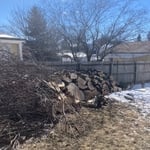
Tree removal
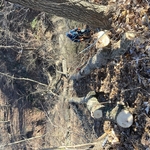
Tree removal
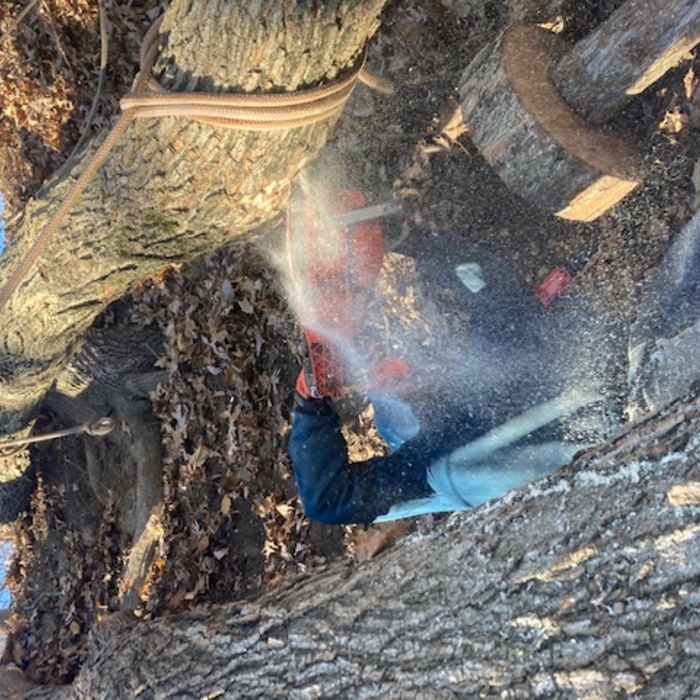
Tree removal
Uplifted and ventilated

+2

1 neighbors recently requested a quote
Avatar for Big Oaks Tree Service LLC
Big Oaks Tree Service LLC
4.8(
27
)

Serving Clayton, IL and surrounding areas

In business since 2020

Free estimates

Emergency services offered

"Great work, a good bunch of people. All the employees were nice, and hard workers. They cleaned up behind the work. I don't think I could have found a better tree service."
Response time7 hrs
Recommended by88%of homeowners
Williams Tree Service
3.5(
3
)

Serving Clayton, IL and surrounding areas

In business since 2017

Free estimates

Offers commercial services

"We have formed a great rapport with Alan and Williams Tree Service, with is why we keep using them. Their prices are great, the work is fantastic, they go above and beyond, and are very resourceful when noticing other any other work needing to be done, and have someone to recommend. fantastick and gores above and beyos resourceful on giveing other"
Response time2 days
Recommended by100%of homeowners
Z&B tree service
New to Angi

Serving Clayton, IL and surrounding areas

In business since 2022

Free estimates

5+ years of experience!\n\nWe are committed to excellence in every aspect of our business. We uphold a standard of integrity bound by fairness, honesty, and personal responsibility. Our distinction is the quality of service we bring to our customers. Accurate knowledge of our trade combined with ability is what makes us true professionals. Above all, we are watchful of our customers' interests, and make their concerns the basis of our business.\n

Showing 1-10 of 30
Tree Service questions, answered by experts

The safest way to cut down a tree is to make sure you’re completely prepared and have done all the necessary safety checks, including double-checking your equipment is in good working order, you have plenty of clearance to fell the tree, you’re wearing all the safety gear, and you have a partner to help you (who should also be wearing safety gear). 

You will know that an oak tree needs to be removed when you see vertical cracks or dead branch stubs, which indicate internal decay. Other signs include trunk rot near the base of the tree and sprouts or small branches coming from the trunk.

Most trees can be successfully transplanted while they are young, but pines, walnuts, and some oak tree varieties are more difficult to move because their root systems grow deeper than most other trees. Also, trees adapted to sandy soil with wide root systems like beeches, willows, and aspens are harder to dig out because their roots spread much farther out from the trunk. In these cases, unless the trees are very young and small, it’s a good idea to consult a tree planting professional.

It depends on where you live—but in most areas, leaves begin falling in September and continue falling until January or February. Warmer regions, such as Southern states, may see leaves fall a bit later in the calendar year. It also depends on the type of trees in your yard and their maturity. 

Completely topping a plum tree is a risky business. Cut too much, and you’ll kill your tree. That said, you do need to trim the top of your tree to encourage bushy growth, maintain your tree’s vase shape, and limit size. 

A plum tree's central leader (or trunk) should never extend more than 3 feet above the highest branch. When you first plant your tree, cut the central leader so it’s 2 to 3 feet tall. As it grows, cut it back 12 to 20 inches until it reaches its desired height. Never prune more than one-third of the new growth.

The Clayton, IL homeowners’ guide to tree services

From average costs to expert advice, get all the answers you need to get your job done.