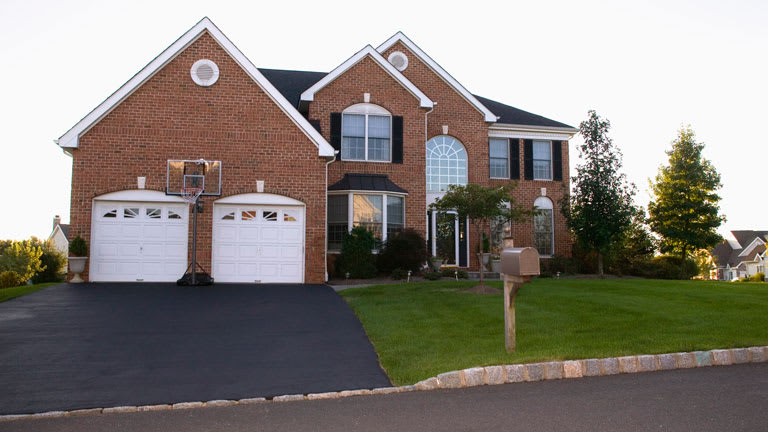



Top-rated asphalt driveway pros.

Get matched with top asphalt driveway pros in Clayton, IL

Enter your zip and get matched with up to 5 pros

Need a pro for your asphalt driveway service project in Clayton, IL?

Select your specific project to find the pro for you.

Find Asphalt driveway pros in Clayton

Agape Construction & Improvement
4.0(
60
)
Concrete Driveways & Floors - Install- For BusinessConcrete Driveways - Install

Serving Clayton, IL and surrounding areas

In business since 2009

Free estimates

Emergency services offered

"

Brady is the best you'll ever find for home remodeling projects.
Showed up on time. Took the time to make ever job right.
Projects were worked on over a number of months, one at a time.


The best and most honest tradesmen I've ever found.
We moved to Texas in January of 2014.  We whish Brady could have come with us.
I've found some good (and bad) people to work on the Texas home.  But no one who comes close to the quality of work done by Brady Brower.
"
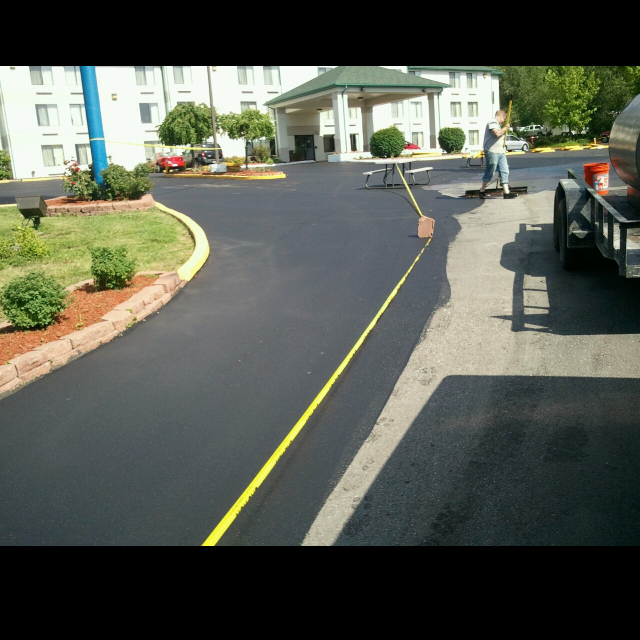
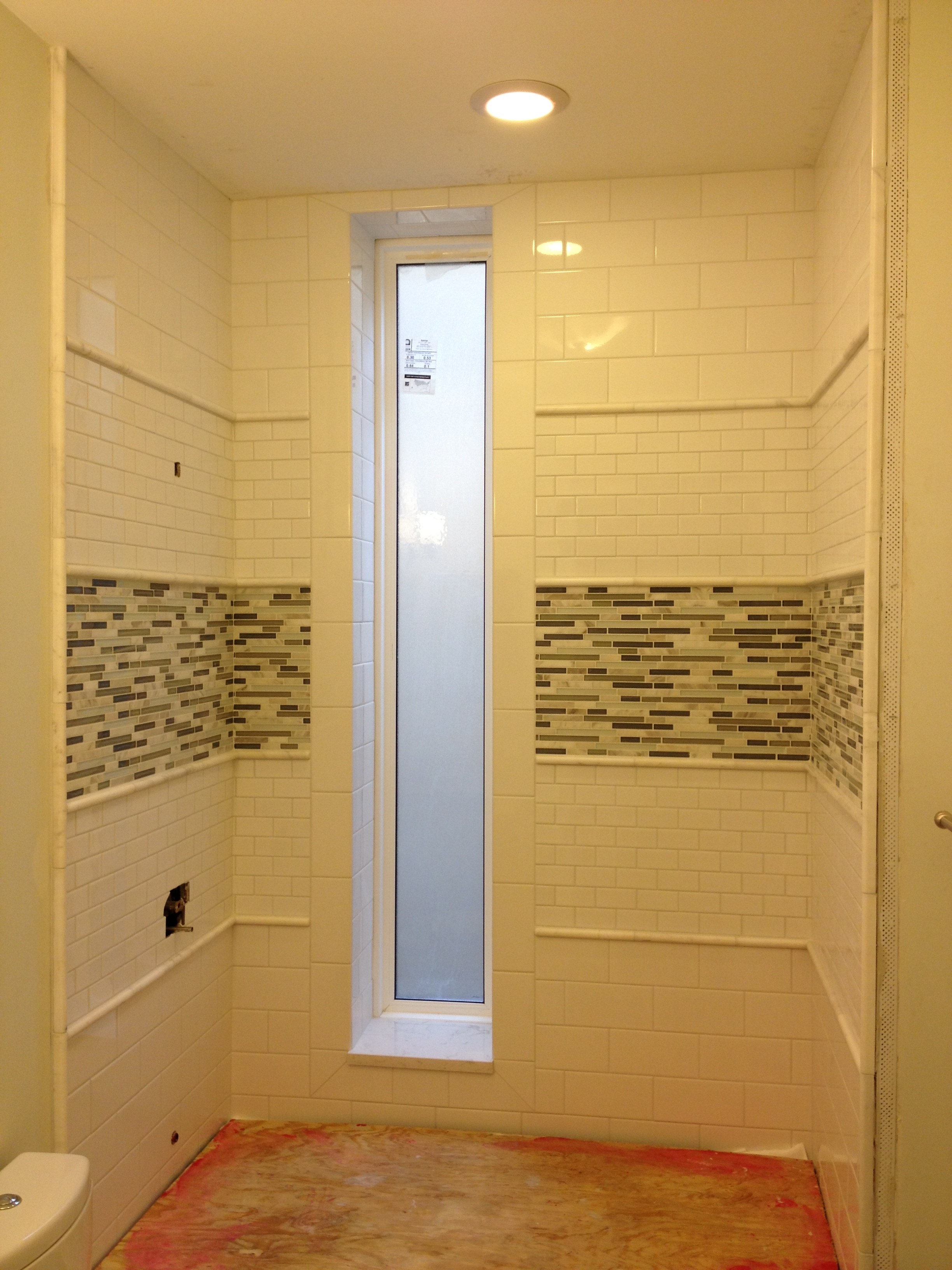
Additional Photos
Additional Photos
Additional Photos
the home owners are very happy!
all done!!

+1

Recommended by90%of homeowners

Avatar for Green Earth Enterprises Inc
Green Earth Enterprises Inc
4.7(
7
)
Gate for Driveway or Security - Install or Replace

Serving Clayton, IL and surrounding areas

In business since 2009

Free estimates

Emergency services offered

"
I wasn't sure this would end up to be a good idea but, it turned out a very pleasant experience. They did it all from start to finish. They spent the first day and a half gathering the trash and debris left by the tenants. They must have pulled four trailers worth of mess out to the dump. Then they went through the whole place; removing nails from the walls, doing the patchwork on the plaster and lathe (where we wanted it repaired and pulled out where we wanted drywall replaced), sanding all the spots and removing the mess. Then they started in with the heavy repairs in the putting in a couple of windows and hanging the drywall where needed, they taped off all the walls, fixtures and windows to ready it for paint. After painting and waiting for it to dry; then they started outside clearing out the brush and debris left behind. They also worked to dress up the yard with great ideas like window boxes and fresh flowers! . They did all the paint work inside the house and finished up by touching up the outside paint. They went back through the house last time and shampooed the carpets, cleaned the stove and fridge, and put fresh new chalk in all the needed spots. I know I may not have all the right terminology but, these folks Really saved the day! When they left the place was spotless and the time and money we spent was well worth giving up the headache of that mess to someone else and finding they'd done a great job! Wonderful!"
Recommended by71%of homeowners
Showing 1-10 of 43
Asphalt Driveways questions, answered by experts

The dimensions of a driveway apron vary based on local building codes, the width of your driveway, and the distance between the driveway and the road. On average, aprons range from 12 to 24 feet wide and 8 to 18 feet long. Typically, the end of the apron connected to the driveway matches its width—such as 10 to 12 feet for a single-car driveway—while the end at the street flares out to allow cars to turn in and out more easily. In some areas, you may not be responsible for the portion of the apron that extends beyond the sidewalk, but this depends on local laws.

Asphalt and tarmac are not the same thing. Traditional tarmac, short for tarmacadam, uses tar as a binder to hold crushed stone together. Asphalt uses bitumen—a byproduct of crude oil—to bind aggregate. Though tarmac was once a go-to for roads, asphalt has become the modern standard. And these days, most surfaces referred to as “tarmac” are actually asphalt. So, while the names may overlap, the key distinction lies in the binder—tar for tarmac and bitumen for asphalt.

New asphalt goes through two stages: drying and curing. Drying typically takes 24 to 72 hours, after which the surface is solid enough for light use like walking or careful driving. While you may be able to park on it after 72 hours, the surface is still soft and should be treated gently. Full curing is a much longer process, taking anywhere from 30 days to a full year for the asphalt to reach maximum strength. During this extended curing period, the asphalt is susceptible to damage from heavy vehicles, sharp objects, and high temperatures. Factors like weather, the specific asphalt mix, and application thickness all influence drying and curing times. For the most accurate timeline and to ensure the longevity of your new asphalt, it is always best to consult with your installation contractor for their specific recommendations.

Building a road on a slope requires careful planning and will normally require a drainage system underneath to prevent flooding and damage to the road over time. Your professional may lengthen your road to create switchbacks if the slope directly to your home is too steep, as there are regulations for maximum road slope. The drainage system will help prevent runoff from the higher side of the slope from damaging the asphalt or concrete. Keep in mind that building a road on a slope isn’t a good DIY project, as a lot can go wrong.

Sometimes, when people talk about asphalt driveways, they’re actually referring to asphalt concrete, which is a completely different compound. Asphalt concrete is asphaltic cement combined with sand or grit. It is significantly more lasting and durable than regular asphalt but also much more expensive. If you’re considering using asphalt concrete, ask an asphalt company for their expert opinions.

The Clayton, IL homeowners’ guide to asphalt driveway services

From average costs to expert advice, get all the answers you need to get your job done.