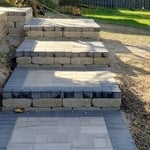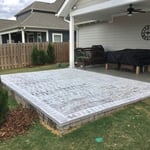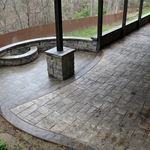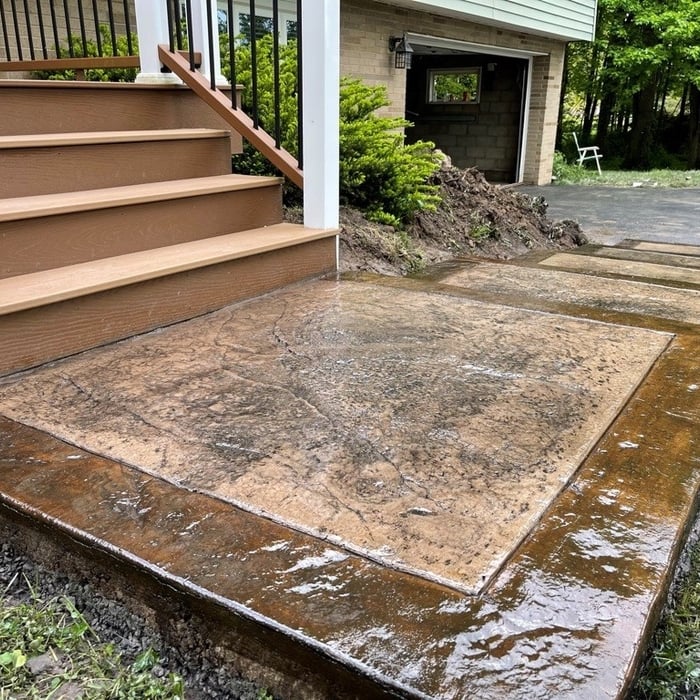





Top-rated retaining wall installation pros.

Get matched with top retaining wall installation pros in Chatham, IL

Enter your zip and get matched with up to 5 pros

Need a pro for your retaining wall installation project in Chatham, IL?

Select your specific project to find the pro for you.

TRUSTED BY CHATHAM, IL HOMEOWNERS

  • Average homeowner rating star icon4.3
    Average homeowner rating
  • Verified reviews icon100
    Verified retaining wall installation services reviews

Find Retaining wall installation pros in Chatham

Avatar for Premier Outdoor Creations LLC
Premier Outdoor Creations LLC
New to Angi
Retaining Wall - Install

Serving Chatham, IL and surrounding areas

In business since 2025

Free estimates

Small jobs welcome

We pride our company on reliability, great communication, integrity, and quality work. We are experts in our trade and will do our best to keep you as educated as we can on your particular task or project. We look forward to earning your business!

Response time1 day
Response rate96%
Avatar for FC Home and Property Services
FC Home and Property Services
New to Angi
Retaining Wall - Install

Serving Chatham, IL and surrounding areas

In business since 2022

We specialize in outdoor maintenance, pressure washing, lawn care, lawn work landscaping, fencing, and all things exterior, our goal is help you keep your life simple and let us do the hard work. We pride ourselves in doing the job well and once and don't leave until its done right. No matter what you need done on the exterior of your home there's no job to large. Call us today for a free estimate- we cant wait to shake hands and earn your business.

Additional Photos
Additional Photos
Additional Photos
Additional Photos
Additional Photos

+3

Showing 1-10 of 24
Retaining Wall Installers questions, answered by experts

The lifespan of a retaining wall varies based on its material, installation quality, maintenance, and local climate, with an average range of 20 to 100 years. Retaining walls made from durable materials like concrete, stone, and brick generally last a minimum of 50 years. Concrete walls typically last between 50 and 100 years, while brick can last for over a century in ideal conditions. Timber retaining walls can last from 20 to 40 years, depending on the wood quality, and pressure-treated wood walls average around 30 years. It is important to note that a retaining wall can fail prematurely if it was poorly constructed, for example, with inefficient footings or without necessary rebar reinforcements.

Failure to compact the soil during construction is the most common cause of leaning retaining walls. In addition, poor drainage can lead to excessive water pressure behind a retaining wall, pushing against it until it begins to move forward away from the soil it is holding back.

Even if you think you know how to build a retaining wall theoretically, doing the actual work is a completely different story. There are lots of nuances in building retaining walls, and the slightest oversight can compromise their integrity. Therefore, we recommend you hire a pro to build, repair, or replace retaining walls.

Poured concrete is often the cheapest material for a retaining wall, costing around $6 to $8 per square foot. Other budget-friendly options include vinyl and landscaping timbers, which range from $10 to $15 per square foot; landscaping timbers are particularly well-suited for DIY projects. Untreated timber and railroad ties are a step up in price, starting at $15 to $25 per square foot. Natural stones can also be a cost-effective choice if you can source them from your own property, but they can be expensive to purchase. High-end materials like steel are typically the most expensive but offer superior durability and aesthetics.

Railroad ties can be good for retaining walls, but it depends on the area. They have a desirable rustic look and are durable. The problem is they’re treated with creosote, a preservative the EPA says poses a risk to humans and wildlife. Over time, the preservative seeps out of the wood and into the ground. Many areas have banned the use of creosote-treated wood on residential properties. If your area does allow it, never use railroad ties near an edible garden or drinking water source. Instead, use wood that’s treated with an EPA-approved preservative or a wood-alternative composite material.

The Chatham, IL homeowners’ guide to retaining wall installation services

From average costs to expert advice, get all the answers you need to get your job done.