




Top-rated deck staining pros.

Get matched with top deck staining pros in Twin Falls, ID

Enter your zip and get matched with up to 5 pros

Need a pro for your deck staining project in Twin Falls, ID?

Select your specific project to find the pro for you.

Find Deck staining pros in Twin Falls

Avatar for Garling Enterprises Inc.
Garling Enterprises Inc.
5.0(
5
)
Exterior Home or Structure - Paint or StainExterior Home or Structure - Paint or Stain: LargeExterior Home or Structure - Paint or Stain: Medium

Serving Twin Falls, ID and surrounding areas

Approved

In business since 2005

Free estimates

Emergency services offered

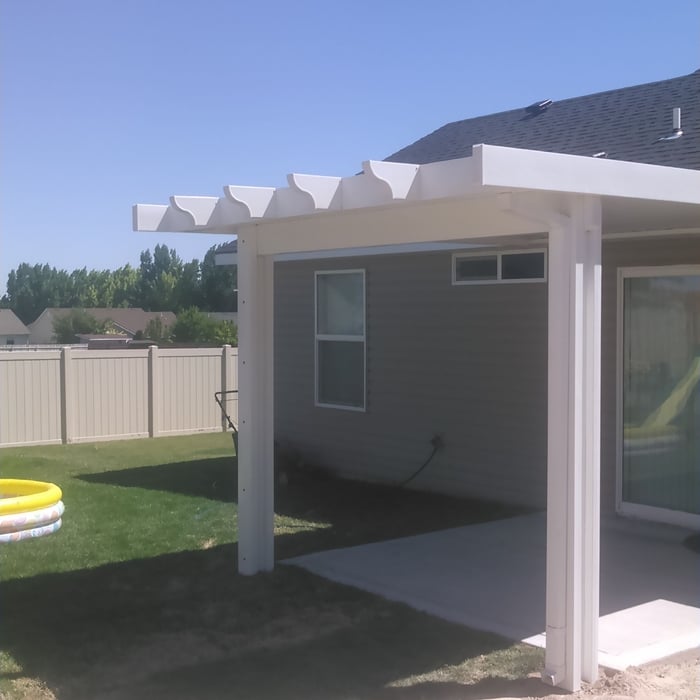
With over 20 years of experience. Looking for a reliable general contractor in Twin Falls who can handle both small repairs and major remodeling projects? I’m Jake Garling, owner of Garling Enterprises. With over 20 years of experience in remodeling and real estate, I take pride in delivering honest, skilled workmanship and dependable results for every project, from bathroom, kitchen or whole home remodels to roofing, siding, concrete work, and more.

Bath tile backsplash
High end bath remod
High end bath remod
High end bath remod

+8

4 neighbors recently requested a quote
Showing 1-10 of 28
Deck Staining questions, answered by experts

Various kinds of substances and deck preservatives act as protective coatings for wood to prevent rot, which is caused by water getting into the wood and creating cracks and splits. Stains, paints, and sealants are the three best options to protect your wood, but there are also oils, varnishes, and waxes available. You’ll need to reapply sealant at least once per year, and you should inspect your wood deck regularly to look for signs of damage or general wear and tear.

Limewash and whitewash are two techniques used to give brick a light, matte finish, but they differ in composition, application, and permanence. The best choice depends on your aesthetic goals and the specific surface.

Composition

  • Limewash: A natural and environmentally friendly option made from limestone, water, and sometimes pigments. It is breathable and soaks into porous surfaces like brick.

  • Whitewash: Traditionally made from lime, water, chalk, and binders, but a similar look can be achieved with watered-down white paint. It is paint-based and sits on top of the surface.

Appearance and Finish

  • Limewash: Provides a natural, textured appearance that allows the brick's character to show through. It offers a more traditional finish.

  • Whitewash: Creates a softer, more opaque finish, often used for a rustic or shabby-chic style.

Application and Permanence

  • Limewash: Is semi-permanent and can be removed, making it a good choice if you might want to change the look in the future. It requires more skill to apply and cannot be used on previously painted brick.

  • Whitewash: Is a more permanent solution. It is more forgiving to apply and can be used on painted brick. However, because it sits on the surface, it can trap moisture.

Ultimately, if you want a breathable, natural, and reversible finish for unpainted brick, limewash is a great option. If you need a more permanent, opaque coating that can be applied over painted surfaces, whitewash is the better choice. Whitewashing may also be more economical, costing approximately $1.40 to $4.20 per square foot.

It is definitely worth sanding a deck to ensure the wood absorbs new stain. Sanding a deck removes the outer layers of aging wood, allowing the stain to penetrate. It also gives a fresh look to the entire surface as part of the deck refinishing process. Without sanding, your stain or sealant is less likely to absorb into the wood. While sanding a deck is a time-intensive project, the rewards are noticeable and long-lasting.

Wood stain is not flammable after it dries. The solvent in wood stain is what causes the liquid form to be highly flammable, but the stain drying process involves the solvents dissolving, which leaves behind a non-flammable product on your wood project. Wood stain is, however, flammable before you apply it, so you should always store partially full cans and used wood stain rags away from sources of heat and open flames.

Many decking oils can help slow down algae growth, but they don't completely stop it. These oils work by sealing the wood, which reduces moisture and, therefore, algae growth. Some decking oils also help protect against UV damage, but they need to be reapplied according to the manufacturer’s instructions to ensure the decking stays protected.

The Twin Falls, ID homeowners’ guide to deck staining services

From average costs to expert advice, get all the answers you need to get your job done.