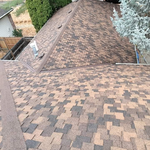
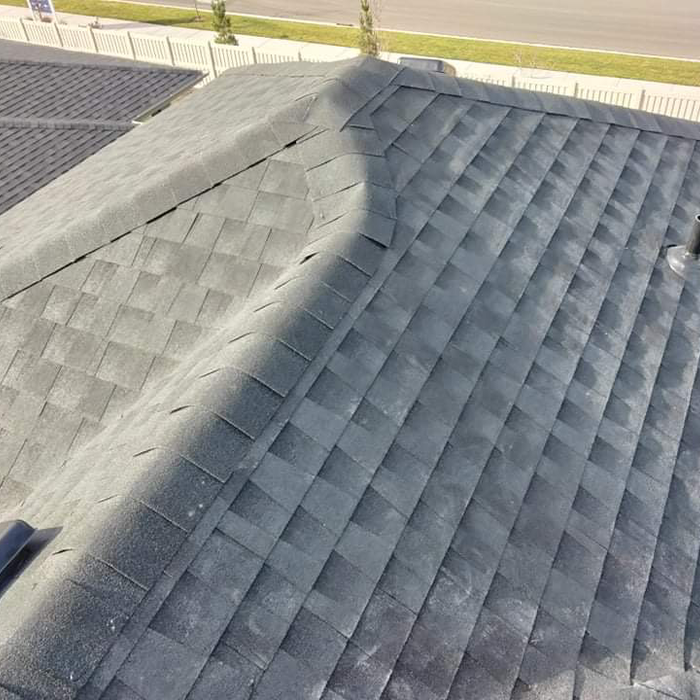
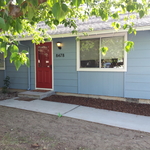
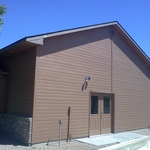
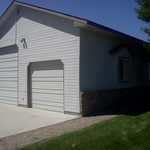
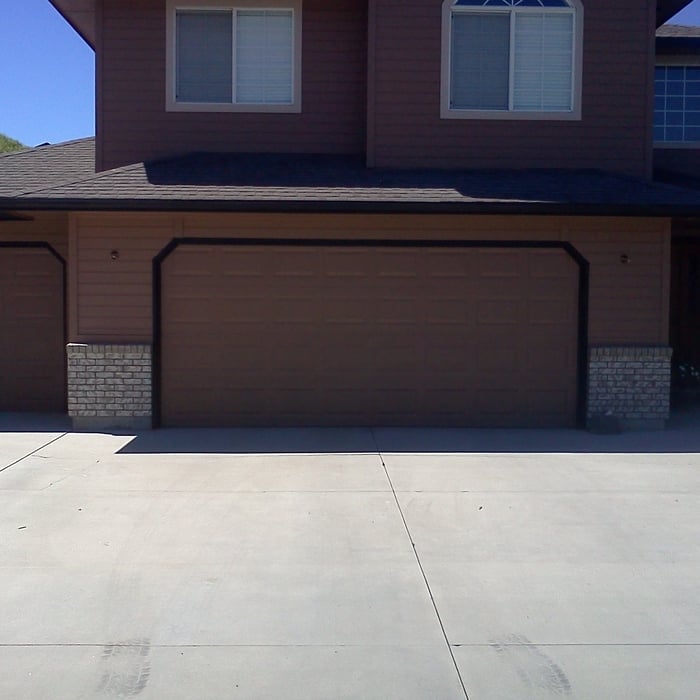
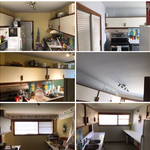
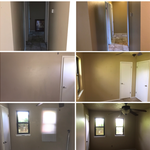
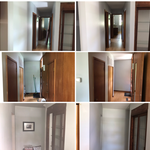
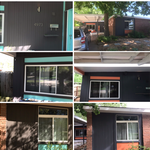
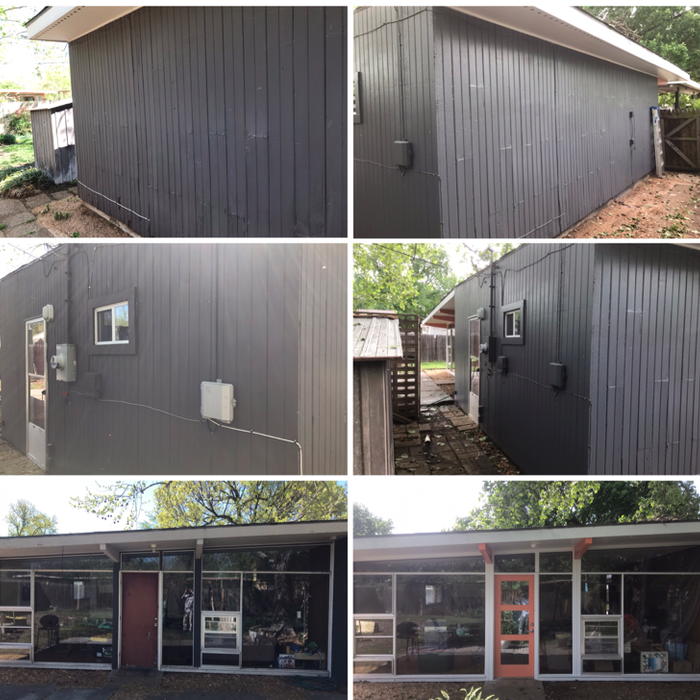
"Steven painting did a wonderful job painting the exterior of our home and staining our decks. Steven and team members Betty and Jesus were friendly, had a high attention to detail and got the job done very quickly. We live in Cascade so finding a professional for home improvement projects can be very challenging. Steven Painting was a breath of fresh air. They will be our go-to for any future painting needs."
"Matt was wonderful!!! He and his crew were fast, friendly and efficient. Not only painted the exterior of our entire home but our shop as well. Finished in a very timely manner. He even recommended some colors that turned out really great with our existing brick work. It's like a whole new home! Will definitely be utilizing Simons again!"
"It?s tough finding good painters. STEVE'S QUALITY PAINTING had great reviews, so I took a chance on them. Great decision! I?m really impressed by how quickly they responded to my calls and texts, how professional and polite the entire team was, and most importantly, the excellent, careful and precise job they did."
Exterior paints contain more volatile organic compounds, or VOCs, making them dangerous when used indoors. Without the free ventilation of the great outdoors, it can take longer for the fumes to dissipate than interior paint. While you may notice the smell lessening more quickly, you should be wary of paint fumes inside for 48 to 72 hours after it dries.
Yes, you can waterproof any wood that has not already been treated. A good way to test this is to splash some water on it. If the water starts to bead up, the wood is treated and most likely doesn’t need another coating.
An exterior paint job typically lasts between 5 and 10 years, though this can range from 3 to 17 years depending on several factors. The longevity is influenced by the quality of the paint and primer, the quality of the application, the local climate, and the type of surface being painted. For example, paint on wood siding may need to be redone every 3 to 7 years, while painted brick can last up to 17 years. Aluminum siding often needs repainting every 5 years.
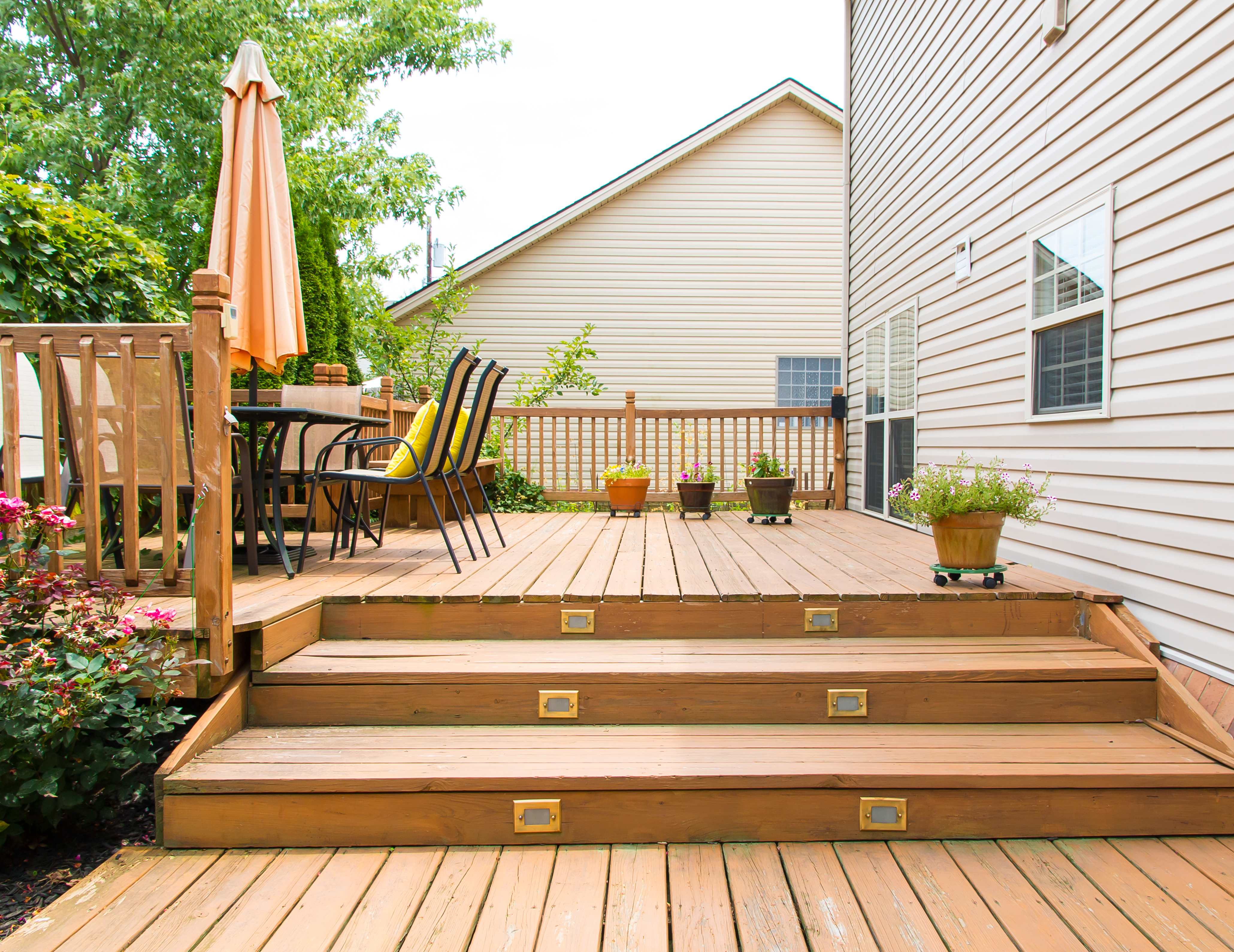
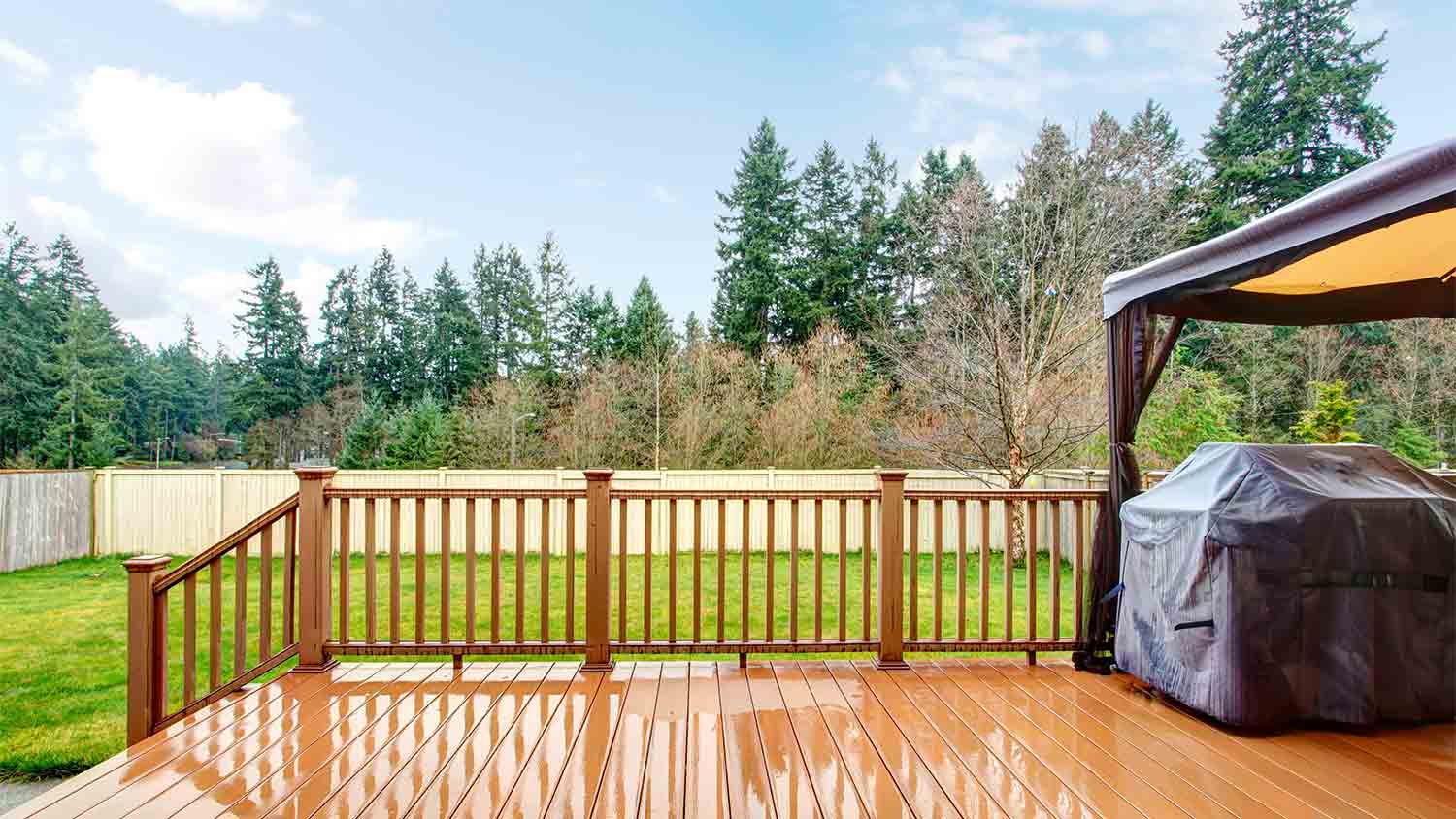
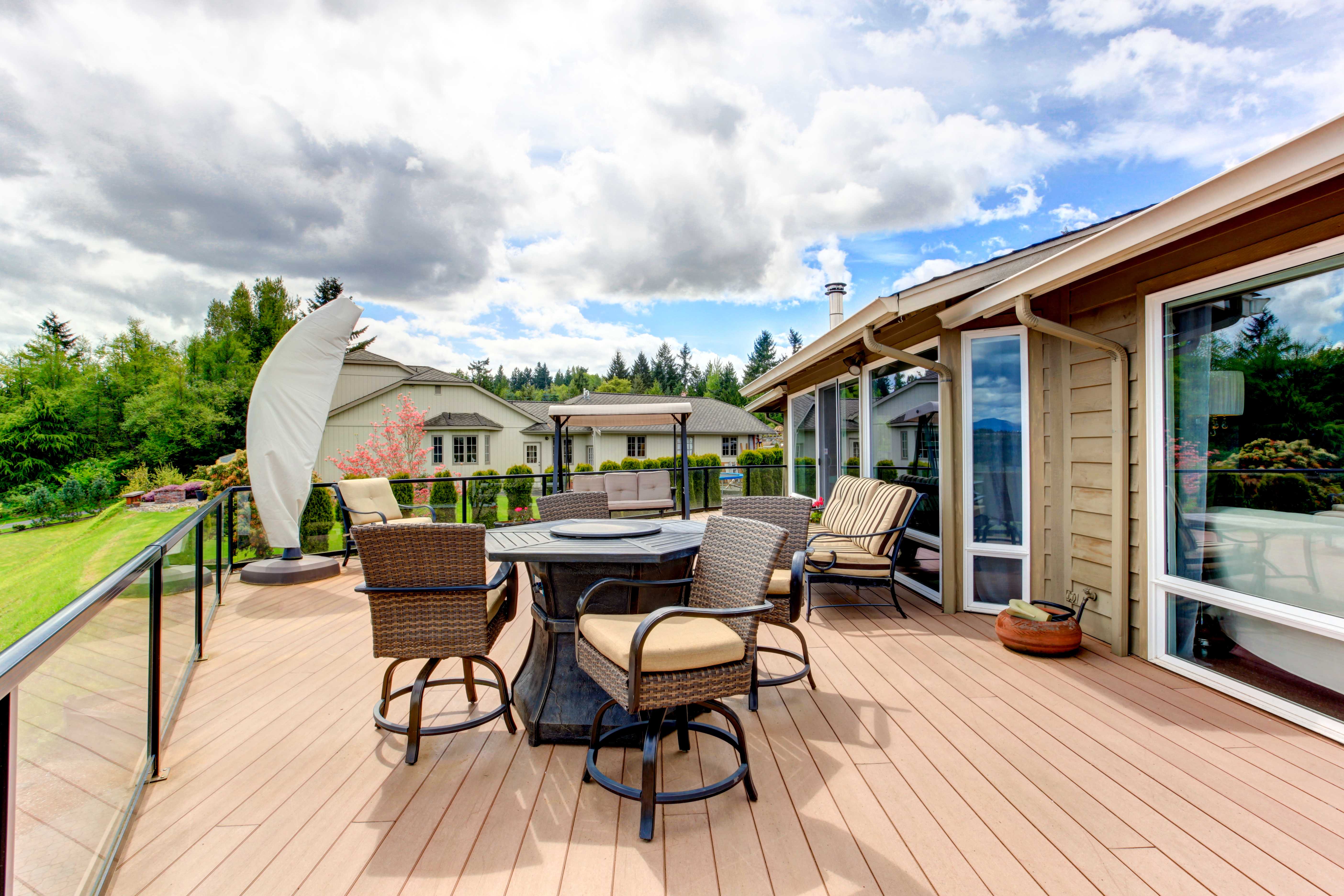
When choosing between deck stain or paint, knowing what will last longer is important. Deck paint lasts longer than deck stain. With deck paint, you can get up to 10 years of coverage before you need to reapply. With deck stain, that time is significantly shorter at two to three years.
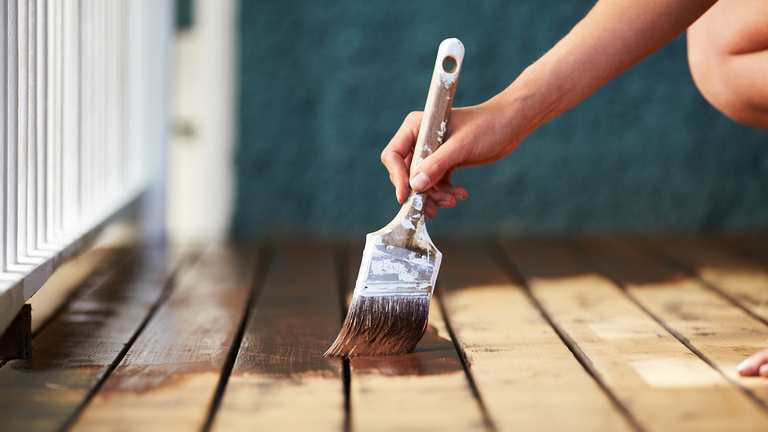
Your tool of choice ultimately comes down to personal preference. Many DIYers prefer applying stain with a lint-free rag, but others stick with a paint brush or a roller. Wipe the stain and work it into the wood, working with and against the grain. If you’re applying multiple coats, allow the stain to dry for around four hours between coats.
The Bruneau, ID homeowners’ guide to deck staining services
From average costs to expert advice, get all the answers you need to get your job done.
The best time to stain a deck is when it’s dry but not too sunny. How often you restain a deck depends on climate and wood type, but every two to three years is normal.