

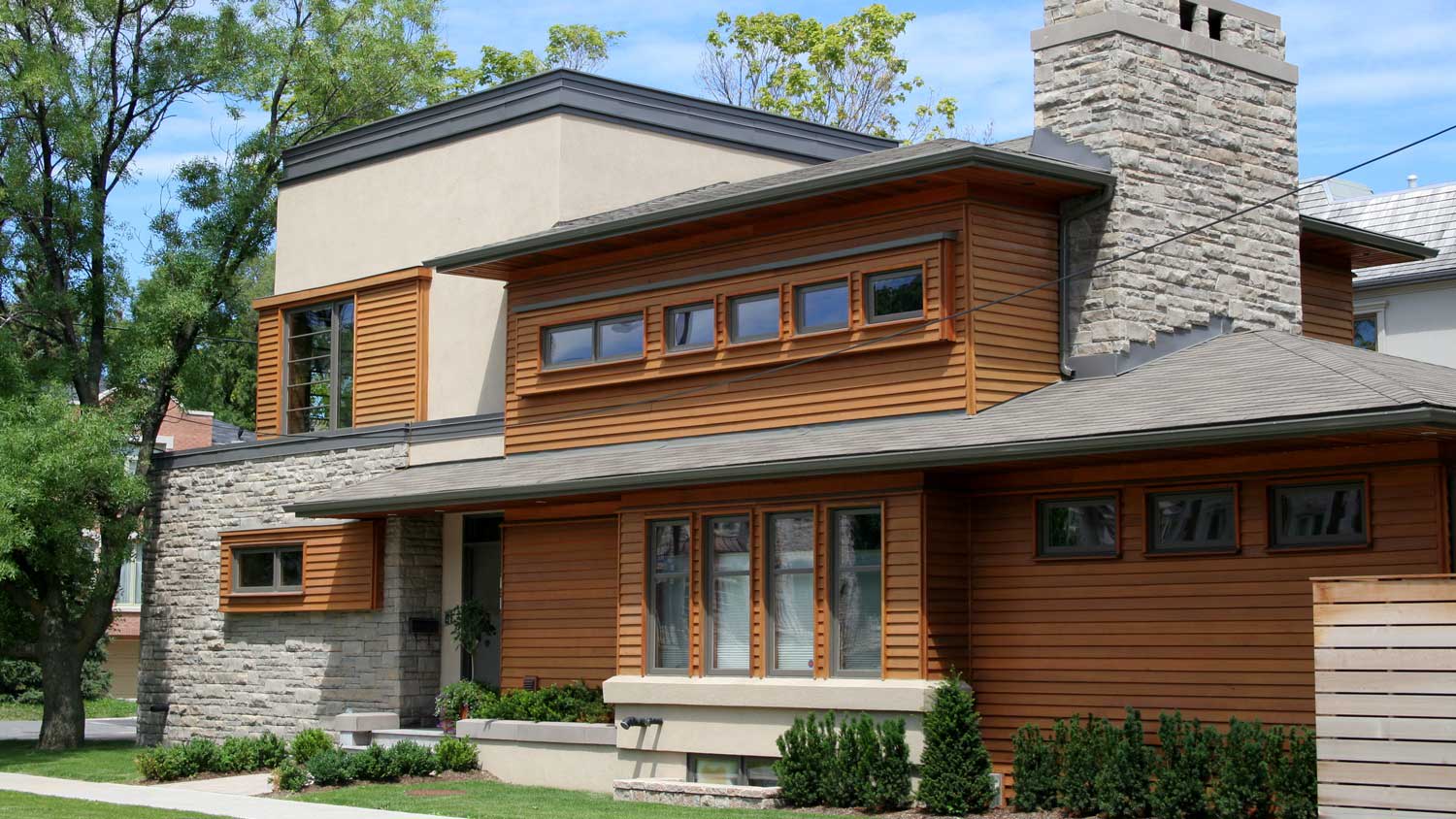
Cedar siding is expensive, but it’s beautiful, timeless, and adds insulation to your home. Use this cedar siding cost guide to see what your project will total.
Exterior painting costs depend on your project and location. Check with a local pro for your specific job.

Professional cedar siding staining costs $1,400 to $8,000 for your materials and labor combined depending on home size.
Your home size and the amount of prep work needed will determine the total time and effort for your project.
Labor accounts for the largest portion of your bill and you should budget for sealant to protect the wood long term.
Hiring a local exterior painting professional keeps you safe from ladder falls and delivers even results without drips or missed spots.
In 2026, the national average cost to stain cedar siding is $3,300, though most homeowners spend between $1,400 and $8,000 depending on home size and the type of stain used. Key cost drivers include the square footage of your siding, the amount of prep work required, and your choice of stain product.

Once you have installed the cedar siding, the cost to stain it depends mainly on the area's square footage and local labor costs. Square footage drives the bulk of your estimate, while labor rates in your region determine how much you pay per hour. Getting multiple quotes from local pros helps you understand what's typical for your area before committing to a contractor.
Cedar siding staining costs $2 to $5 per square foot for materials and labor combined. Larger projects benefit from economies of scale, allowing you to buy staining material in bigger containers and spread tool costs across a greater area. The table below breaks down estimated costs by home size:
| Home Size (Square Feet) | Estimated Coverage (Square Feet) | Average Cost in 2026 |
|---|---|---|
| 1,000 | 1,300 | $2,600–$6,500 |
| 1,500 | 1,600 | $3,200–$8,000 |
| 2,000 | 1,900 | $3,800–$9,500 |
| 2,500 | 2,100 | $4,200–$10,500 |
| 3,000 | 2,300 | $4,600–$11,500 |
| 3,500 | 2,500 | $5,000–$12,500 |
Labor is by far the most expensive part of staining cedar siding, and since the work isn't highly specialized, you can expect to pay $25 to $65 an hour when you hire a painting pro. Local exterior painting professionals apply the stain, wipe away excess, and repeat coats as needed to achieve an even finish. While sealant isn't required, many painters seal everything they stain because it significantly enhances the cedar's weather resistance, natural color, and lifespan. Ask your painter upfront whether you can handle prep work yourself to reduce the overall cost.
The type of stain you choose for cedar siding is the key decision to make, since natural, semitransparent, and opaque stains are all similarly priced. Natural and semitransparent stains are the most popular options because they allow the wood grain to show through, complementing the organic look many homeowners want from cedar. Opaque stains provide more complete color coverage and can be a better fit if your siding has surface imperfections you want to conceal.

Staining cedar siding isn't a particularly complex job, but it can be a time-consuming and potentially dangerous one if you need to work on a ladder or scaffolding. Hire a local exterior painter to stain your siding to save you time and effort and avoid the risk of falls and injuries.
Not sure if you should hire a pro for this job? Here are a few reasons why you should:
Painting pros have the tools and equipment needed to get the job done efficiently and correctly.
A pro can identify any areas that need to be repaired or require additional prep to prevent damage.
Painting professionals are used to working on ladders and scaffolding and have the safety equipment needed to work safely on upper stories.
A painting pro will provide even, professional results without splotches, drips, or missed spots.
If you're confident in your DIY skills and want to tackle this project on your own, here are some things to keep in mind:
Always enlist help when working on a ladder to ensure you're steady and safe.
Test your stain on a spare piece of siding to confirm the right shade and finish, and decide how many coats you need.
Don't skimp on prep work—improper prep can affect your results.
Inspect your siding before beginning work to identify any damaged areas that need repair.

Saving money when staining cedar siding comes down to the size of the job and whether you can do it yourself. You may be able to shave small expenses, but nothing will make as big of a difference as DIYing the job or working alongside a pro. Some ways to save money are:
Buy the stain in bulk.
Do the work yourself.
Get multiple quotes.
Hire in the off-season.
Prepare the surface yourself.
Wait to buy stain until it's on sale.
Use leftover stains from previous projects.
Let the pro know your siding’s age and condition so they have an idea of how much prep will be needed.
While a pro will likely charge by the hour rather than the square foot, knowing roughly how much siding you have will help you budget for this project.
Ask the pro what type of stain they recommend for your siding’s condition and your area’s climate.
Find out the project’s timeline and if you’ll need to do anything to prepare for the service.
Home is the most important place on earth, which is why Angi has helped more than 150 million homeowners transform their houses into homes they adore. To help homeowners with their next project, Angi provides readers with the most accurate cost data and upholds strict editorial standards. We extensively research project costs to develop the pricing data you see, so you can make the best decisions for you and your home. We rely on reputable sources, including the U.S. Bureau of Labor Statistics, academic journals, market studies, and interviews with industry experts—all to ensure our prices reflect real-world projects.
Want to help us improve our cost data? Send us a recent project quote to [email protected]. Quotes and personal information will not be shared publicly.
Custom Paint Jobs LLC took our exterior from drab to fab! We couldnt be happier.
 Custom Paint Jobs, LLC
From average costs to expert advice, get all the answers you need to get your job done.
Cedar siding is expensive, but it’s beautiful, timeless, and adds insulation to your home. Use this cedar siding cost guide to see what your project will total.
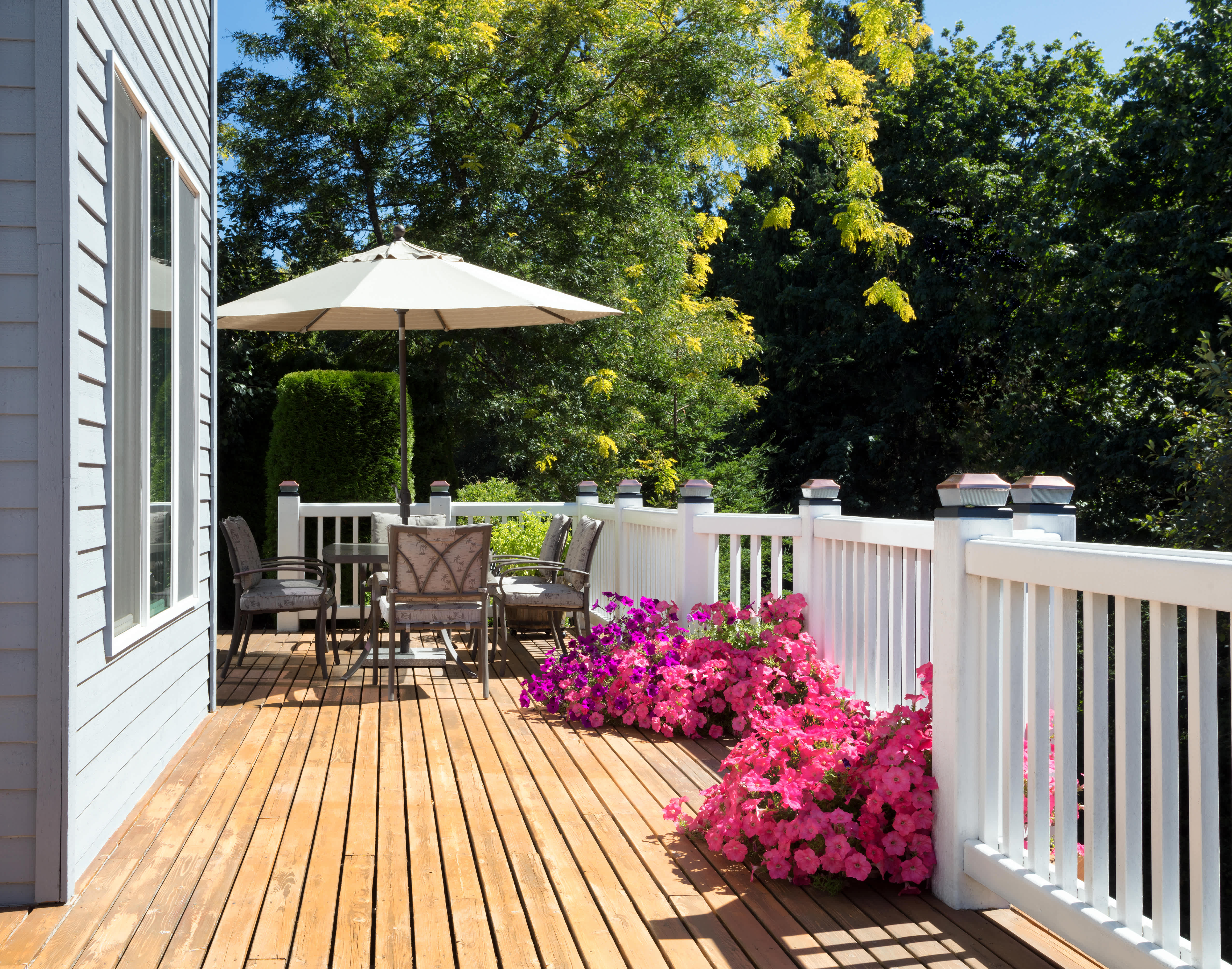
Cedar is a popular decking material, best known for its natural wooden look and resistance to rot. So, how much does a cedar deck cost? Find out in this guide.
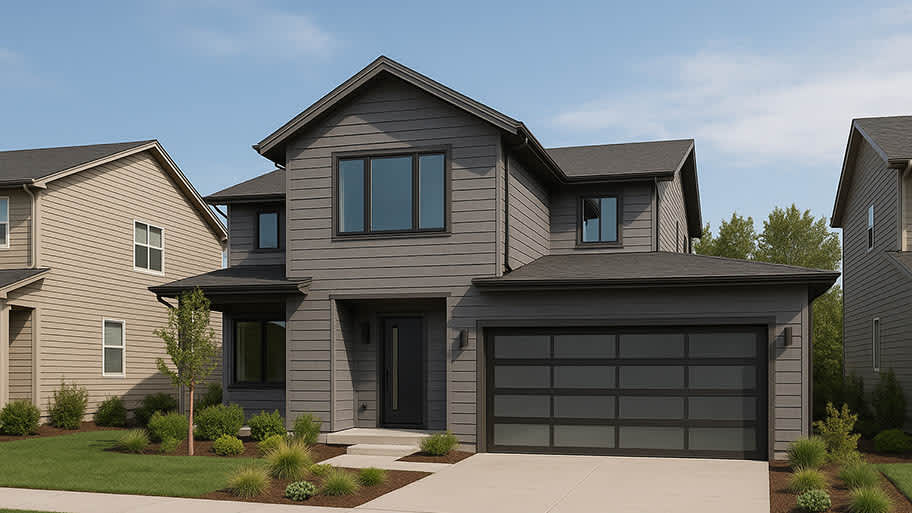
Cedar, pine, cypress, or fir—wood siding is a durable and elegant choice for the outside of your home. Here are the wood siding costs to expect.
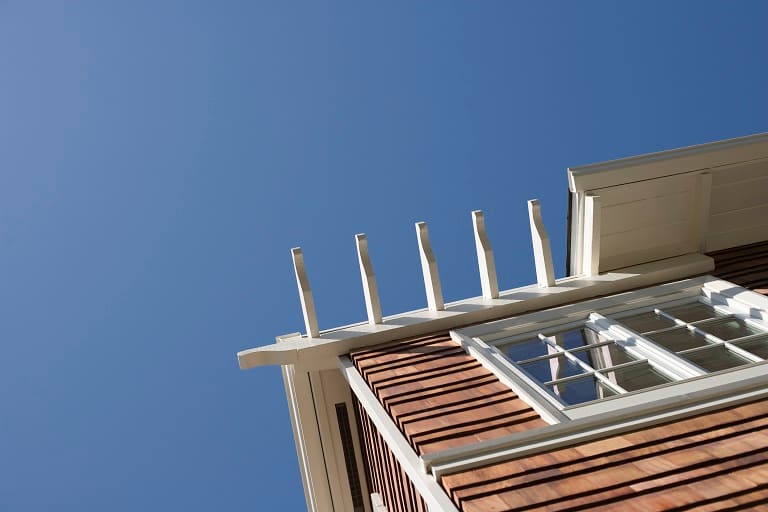
Keeping your cedar siding in good shape helps it last for decades. Learn what cedar siding maintenance steps to take and when to take them.
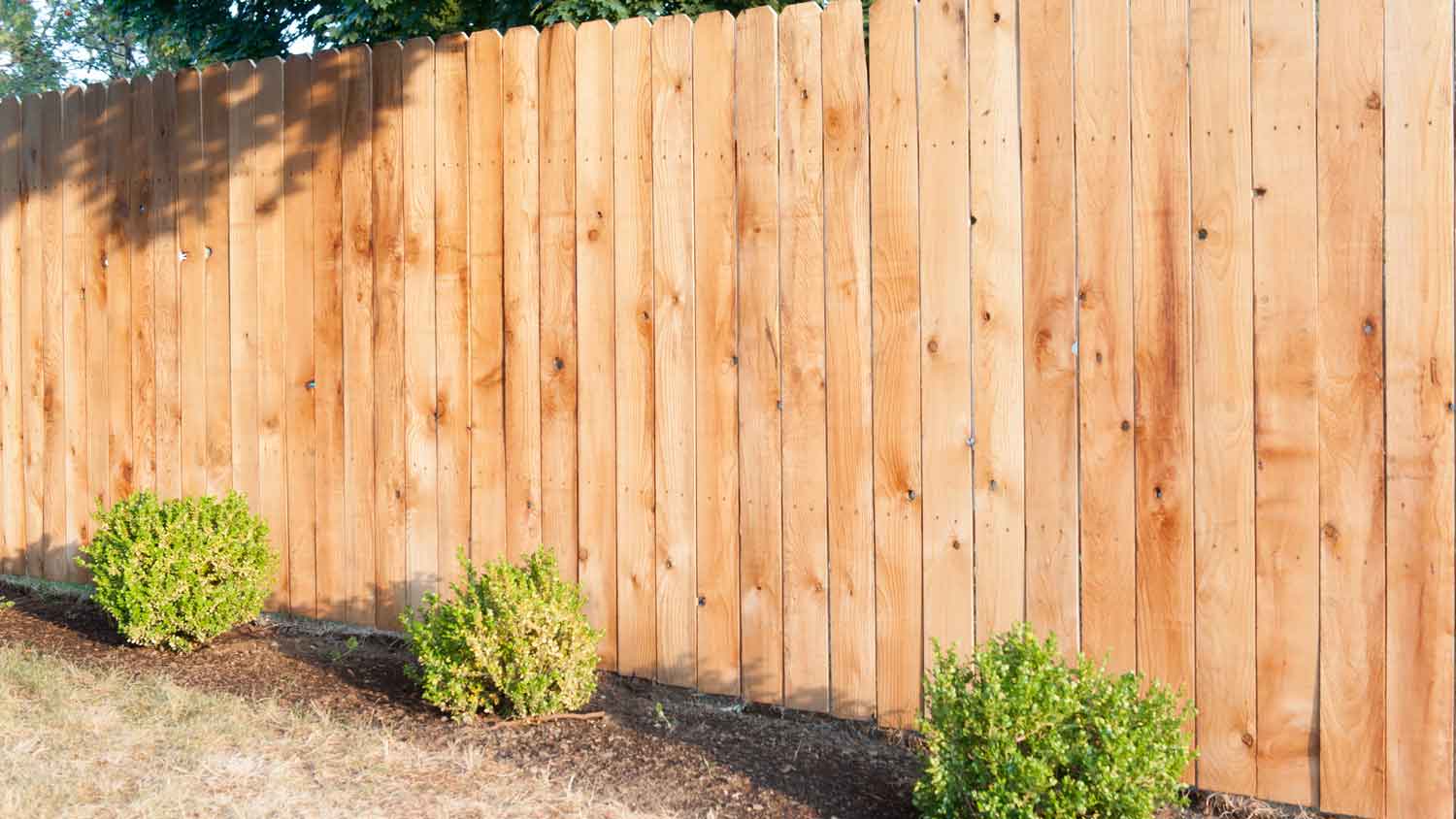
You can get even more years out of your cedar fence by giving it a little stain and TLC. Learn how to seal a cedar fence with this guide.
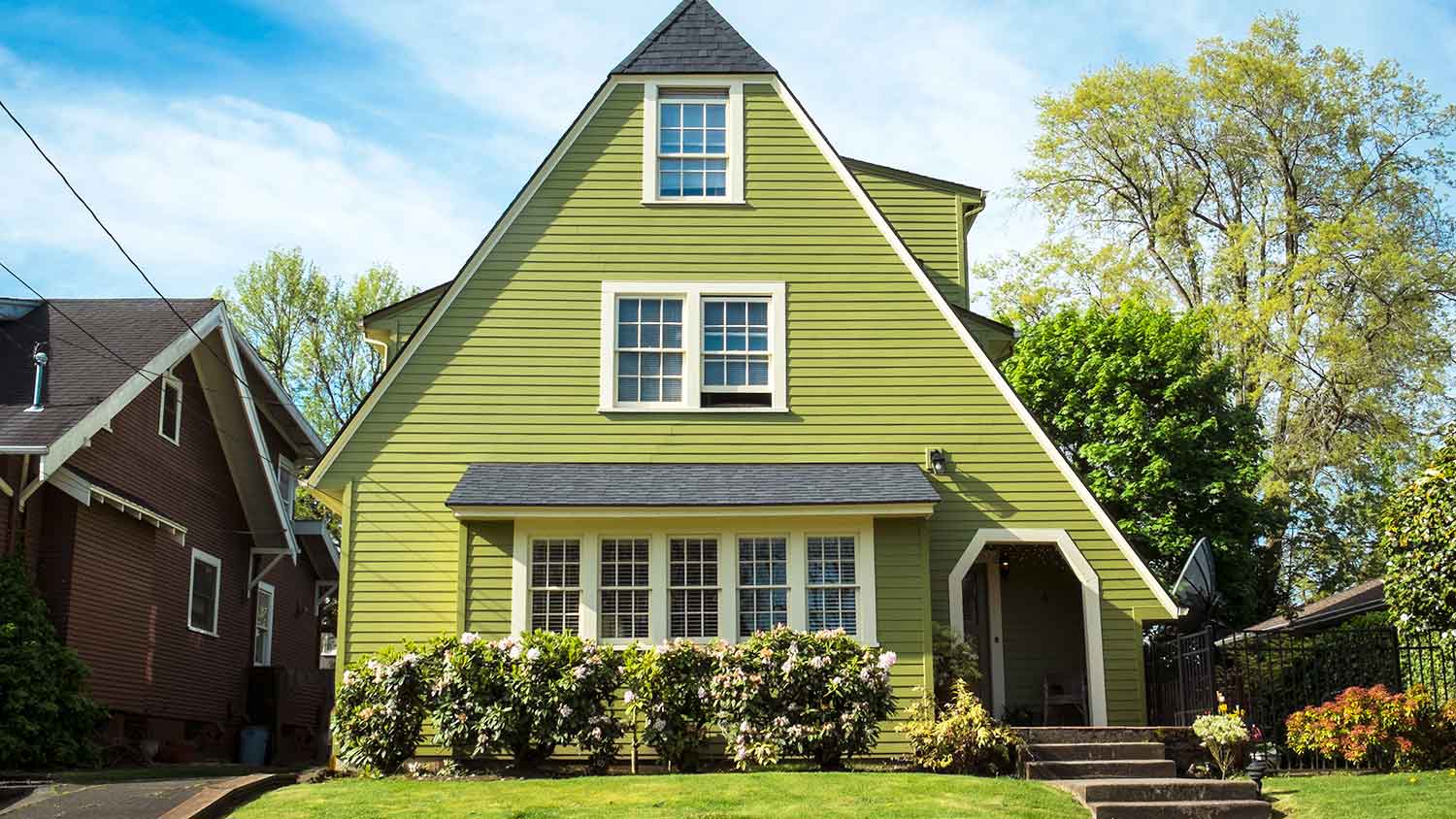
Are you wondering what clapboard siding looks like? This explanation of clapboard siding will help you discover when to use clapboard siding, clapboard siding pros and cons, costs, and styles.