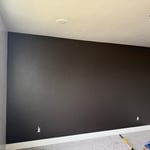
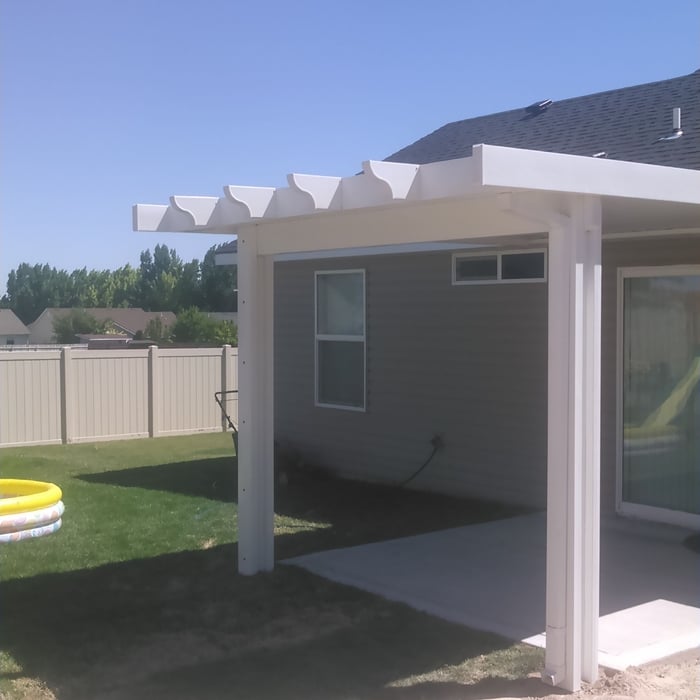
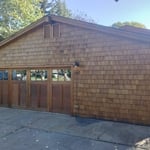
"They were very professional and on time! Project turned out just like I’d envisioned! Thank you Twin Falls Paints and Stains! I’d definitely recommend using them for your next project!"
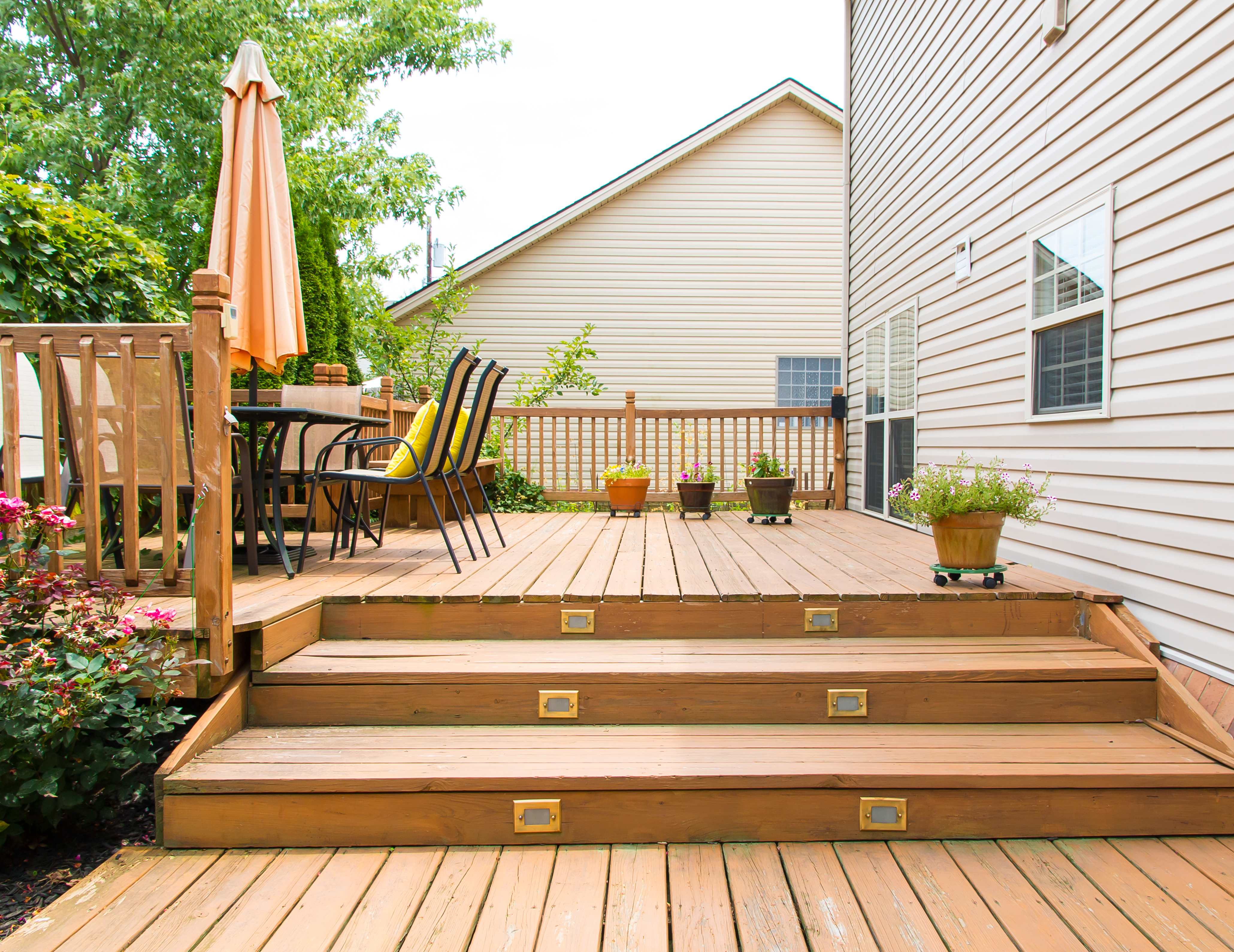
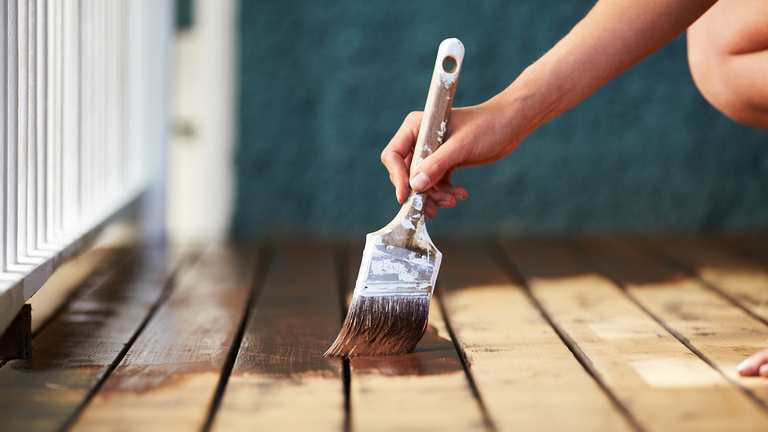
The staining or painting process involves cleaning the deck, sanding surfaces, applying a primer (if needed), and carefully applying stain or paint for an even, lasting finish.
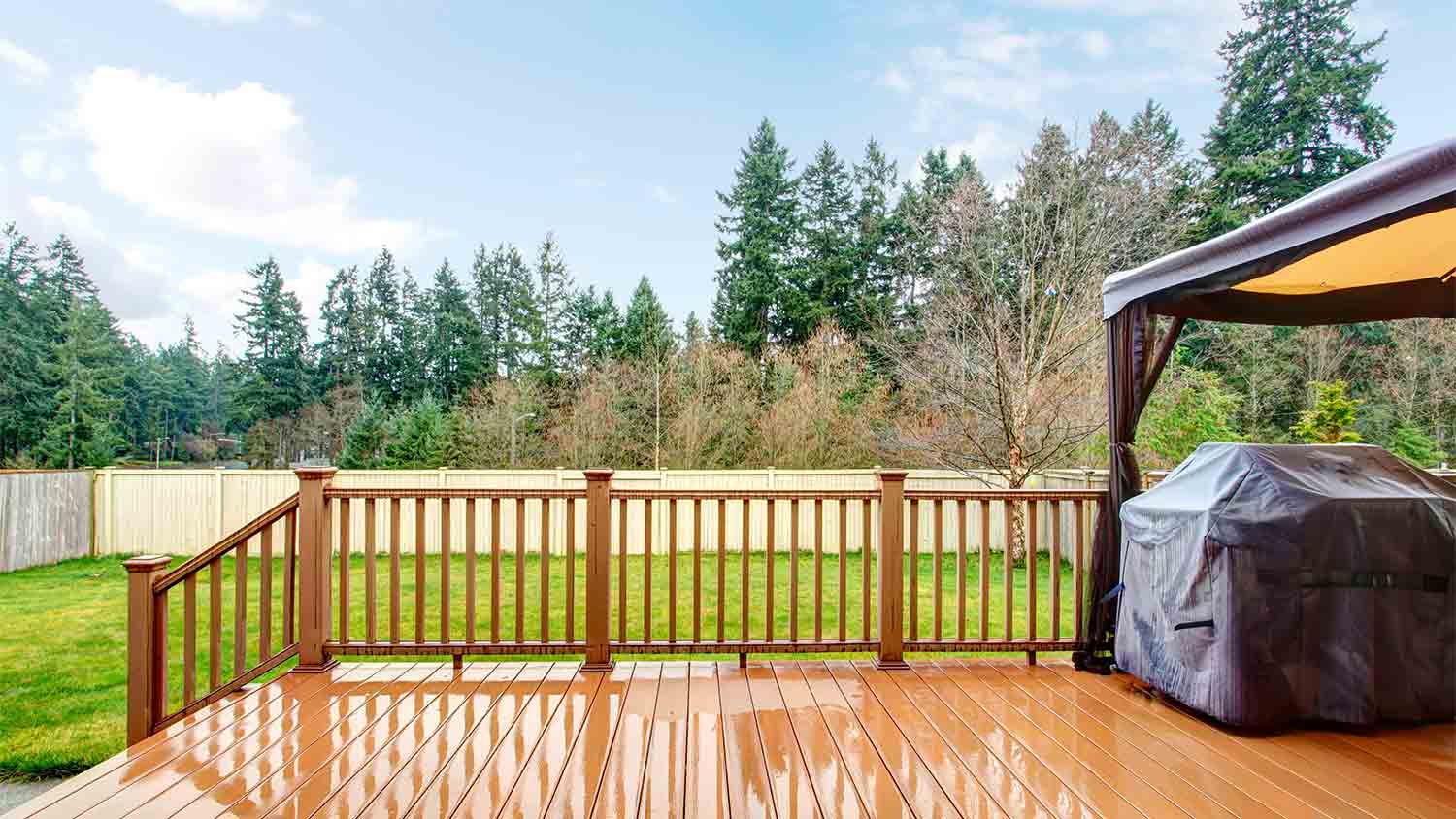
Always wait until the morning dew has dried before you stain your deck. The stain needs a fully dry surface to sink into.
Pressure-treated wood lasts at least 10 years, but with the right care and treatment, it can last as long as 40 years. Painting the boards is one way to increase the lifespan of pressure-treated wood. The layer of paint provides extra protection for the wood against the exterior elements and insects.
Choosing the best color for your home exterior should factor in longevity as well as your personal taste. To keep your house looking newly painted as long as possible, stay away from red paint. Although red homes pop and are quintessential for country-style barns, red paint tends to fade fastest in the sun. Go with earth tones if you want paint that best resists fading.
Waterproof paint creates a barrier to hold back moisture, but it doesn’t eliminate the source of the water. If you hire a basement waterproofing contractor, many will tell you that waterproof paint is only a temporary solution. On average, you can expect it to last from six months to two years in a wet basement before deteriorating.
The Oakley, ID homeowners’ guide to deck staining services
From average costs to expert advice, get all the answers you need to get your job done.
The best time to stain a deck is when it’s dry but not too sunny. How often you restain a deck depends on climate and wood type, but every two to three years is normal.