"The problem was diagnosed but solution cannot begin until Fall. My trees require a 2 yr treatment to fully recover. I have contracted for those services. Responded immediately to my cal."
From Dirt to Trees Pulaski Solutions covers all your needs. We are a local company started on the foundation of quick quality work done right and cost effective. We pride ourselves in the Idaho community and are sure to preform remarkable work on your home.
"Very professional crew, very respectful of my property and the next door property close to me. Cleaned up tree trimming to the degree you almost couldn't tell they they had cut a pine tree down. I was very impressed!!! I would recommend this company to anyone who is in need of a tree service provider."
"Mark and Kim are very professional. They sprayed my house for bugs spiders etc. This is the third time I have had them spray and they did a great job."
"Asherh from Wildlands Landscape did an amazing and thorough job on our yard. Completely removed sod and put down a weed barrier and mulch, also did an outstanding job trimming our huge Blue Spruces. We would highly recommend them for any landscape or yard maintenance."
"Very skilled tree service. Very careful and sensitive to private property and protecting against damage. After two days of work they cleaned up so well you would never know they had been there"
"Wispering Pine compay is very professional. Doing their job I hired them to trim some trees in my backyard , and they were very careful and professional and they are very affordable to work with I highly recommend this company"
Ridgeline Tree & Land Management brings over a decade of hands-on tree service experience to every job. We specialize in tree removal, trimming, thinning, and fire mitigation services designed to keep your property safe and healthy.\n\nOur number one priority is safety — for our crew, our customers, and your property. We take pride in professional work, honest communication, and leaving every job site clean and secure.
There are several methods to hollow out a tree stump, and the best one depends on your tools, experience, and priorities. Common methods include using a chisel and hammer, a chainsaw, or burning.
Chisel and Hammer: This is often considered the easiest approach for those with limited tools or experience, though it is the most time-consuming.
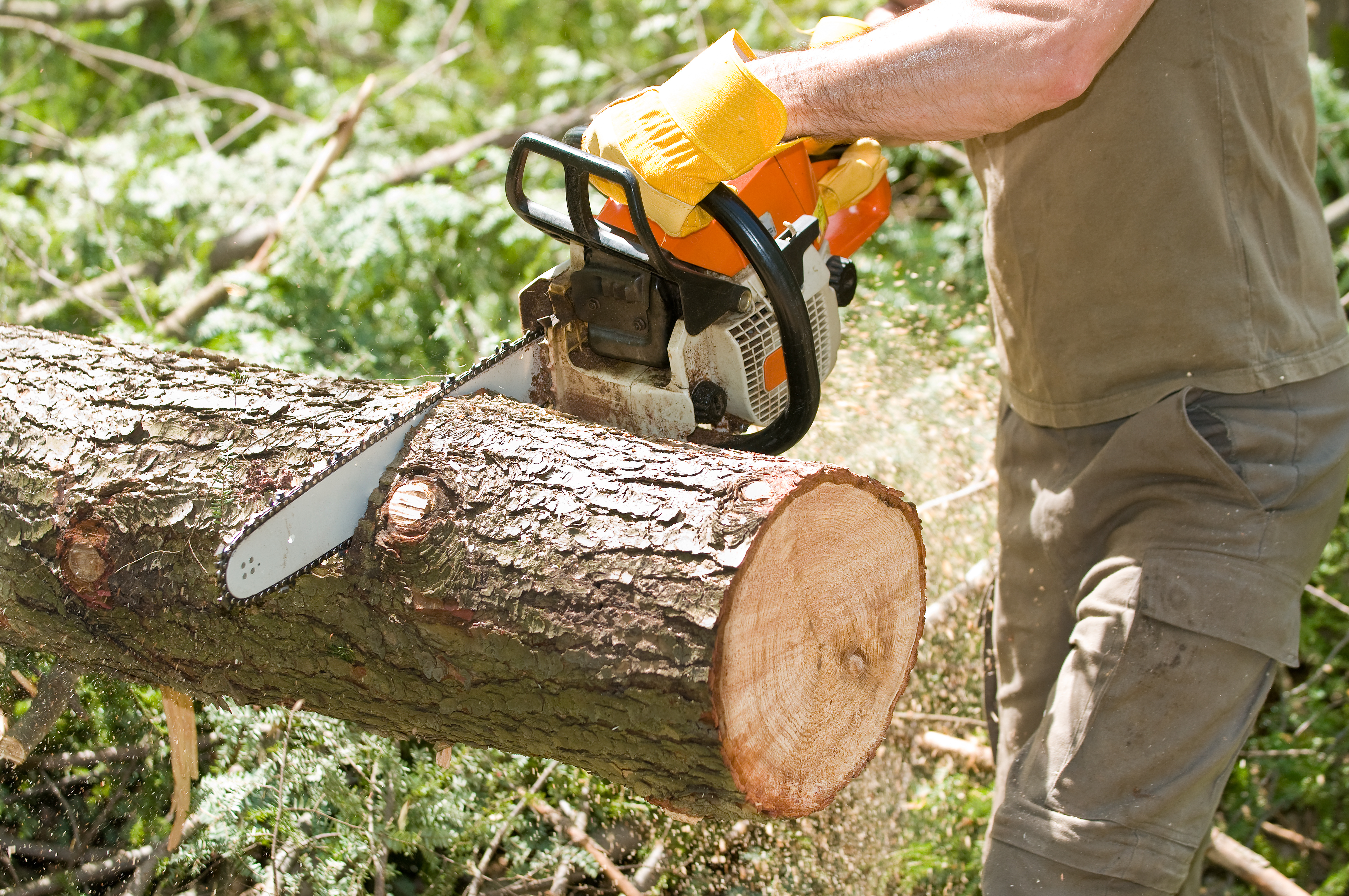
Chainsaw: Using a chainsaw is the fastest method, but it comes with significant safety risks, especially for inexperienced users.
Burning: This can be an effective method, but it is not recommended unless you can first drill holes into the stump. Without holes, the stump will be difficult to light and may not burn completely through.
A power drill with at least a ⅜-inch diameter bit can make the job quicker and easier, regardless of the primary method. While you can use a chisel or chainsaw without a drill, it will require more time and effort. Always wear protective goggles and thick gloves, as splinters are an inevitable risk.
Pruning can impact cold hardiness—but it’s less about the exact temperature and more about temperature variation. Generally, you don’t want to prune trees when there’s a risk of temperatures suddenly dropping from 50 to 60 degrees Fahrenheit to 0 degrees Fahrenheit or below. A tree is most sensitive until 48 hours after it’s pruned.
Completely topping a plum tree is a risky business. Cut too much, and you’ll kill your tree. That said, you do need to trim the top of your tree to encourage bushy growth, maintain your tree’s vase shape, and limit size.
A plum tree's central leader (or trunk) should never extend more than 3 feet above the highest branch. When you first plant your tree, cut the central leader so it’s 2 to 3 feet tall. As it grows, cut it back 12 to 20 inches until it reaches its desired height. Never prune more than one-third of the new growth.
Talking with a septic pro before planting trees near your tank is best to ensure the roots won’t interfere with your septic system. However, there is an easy way to figure out where to plant a tree—but you’ll need to know how tall it can get when it’s fully grown. For instance, if the tree can reach 50 feet, plant it at least 50 feet from your septic system.
While it’s best to have access to large, healthy, strong trees in a safe position, treehouse living is still possible without them. Contractors can fit tree posts to build the structure onto or use posts as additional support alongside the trees themselves. If you’re in doubt about the suitability of the trees on your land, consult with a local treehouse builder before you start the project.
The Dubois, ID homeowners’ guide to tree services
From average costs to expert advice, get all the answers you need to get your job done.
Tree inspections can ensure your trees stay healthy and safe, preventing costly damage. Learn how much tree inspections cost and what can affect the price.
How much does an arborist cost? This guide explains the cost of different services, ongoing expenses, and other factors to consider when hiring an arborist.
Follow these tips to learn how to find a good tree removal service. Doing a little research can help you save time and money when you need to say goodbye to your trees.
You suspect that the leaning oak tree in the back needs to come down, but can you just handle it yourself? Here are the pros and cons of calling a tree service.