

Top-rated radon detection and reduction specialists.

Get matched with top radon detection and reduction specialists in Shoshone, ID

Enter your zip and get matched with up to 5 pros

Need a pro for your radon detection and reduction project in Shoshone, ID?

Select your specific project to find the pro for you.

Find Radon detection and reduction specialists in Shoshone

Avatar for Healthy Home Environmental Services
Healthy Home Environmental Services
New to Angi
Radon Gas - AbatementRadon Gas - Testing

Serving Shoshone, ID and surrounding areas

In business since 1995

Emergency services offered

Credit card accepted

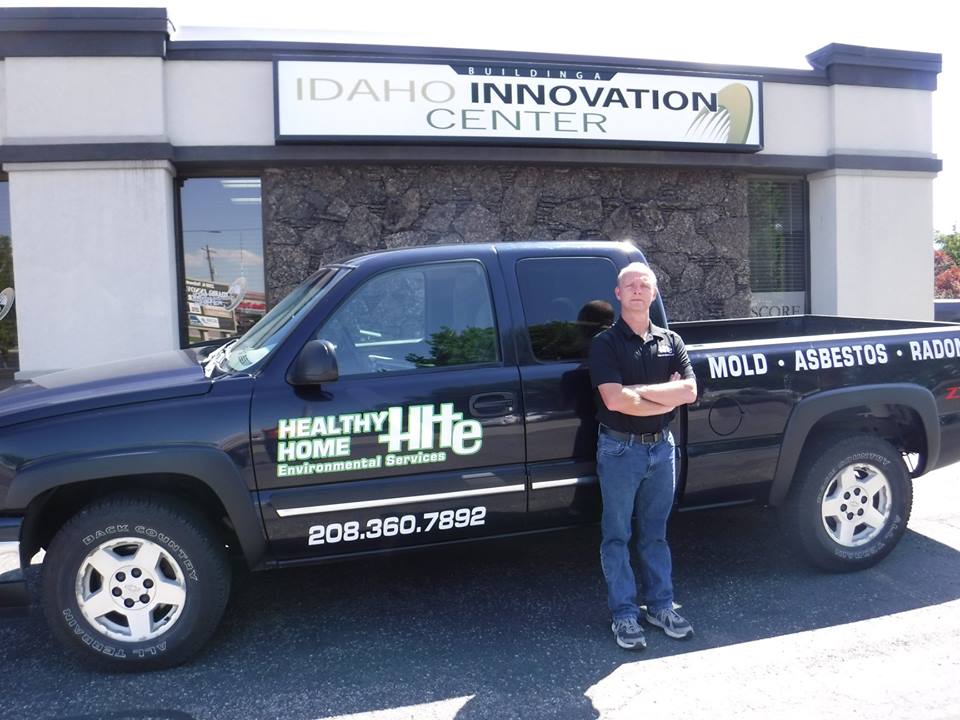
At Healthy Home Environmental Services, we love families and understand that you want the best air for them to breathe. We test for mold, asbestos, radon, and are now certified for legionella. We also do remediation work. That means, we fix the problem for you! We are the best in the business and the most affordable. Our reputation speaks for itself, not just here but in our home town of Seattle. Our staff are experts in what causes poor indoor air quality, and how to fix it. Sometimes, it's something you can do yourself with some guidance from us. We look forward to helping you solve your mold, water, weird smells; kind of problems. Our work in attic mold and remediation is 100% guaranteed for LIFE. We are also experts for businesses and are equipped to handle large scale jobs. We even do hoarding jobs. Give us a call today to speak with an expert or to schedule an appointment. We'd love to hear from you.

Radon Detection and Reduction questions, answered by experts

No, air purifiers are not an effective way to reduce or remove radon. Radon is a radioactive, inert gas that cannot be filtered by standard air purifiers, which are designed to capture particulates like dust and mold. While an air purifier can improve indoor air quality by removing other pollutants, it should not be relied upon for radon. The only effective solution for high radon levels is a dedicated radon mitigation system.

Abatement includes sealing entry points and venting with systems that reduce radon levels below recommended EPA limits. It is handled by certified professionals.

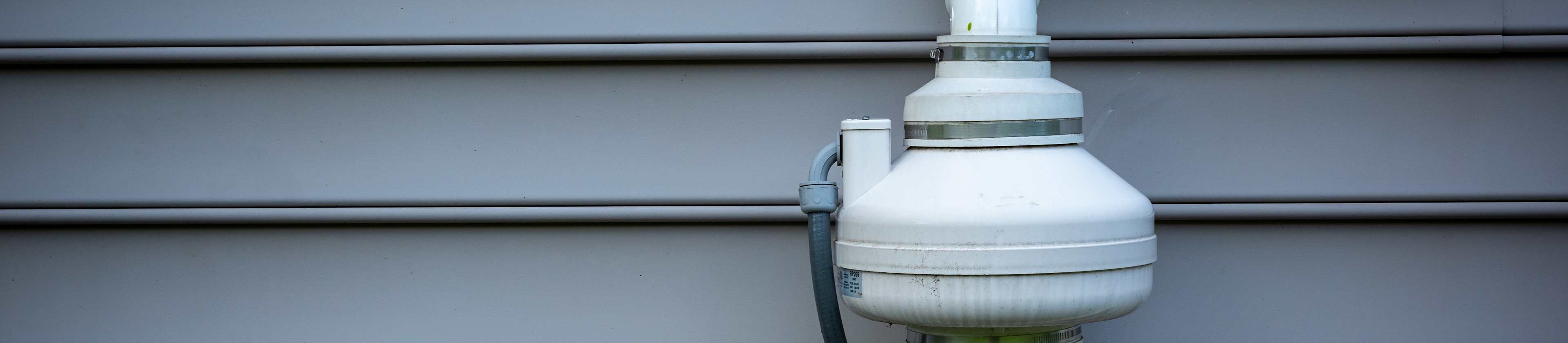
The cost to replace a radon fan ranges from $300 to $600 for the fan itself, with installation adding an additional $200 to $500. Overall, the total cost for replacement can range from $500 to $1,100, depending on factors such as the fan model, home size, and local labor rates. If the fan is part of a larger radon mitigation system, the price may be higher.

Keeping radon from getting into your home is much better than having to get rid of it once it's already indoors. While there may not be a way to fully prevent radon from getting into your home, there are things you can do to reduce the gas's ability to enter. 

Sealing foundation cracks and openings can help keep the gas from seeping inside. Improving air flow, such as by opening windows, can also be helpful. If you're building your home from scratch, talk to your contractor about using radon-resistant construction to keep the gas out.

The average radon mitigation system uses about 876 kWh of electricity per year, although the exact amount of electricity used will vary depending on the size of the radon fan. Once the system is installed, the annual increase to your energy bill could range from $30 to $300 per year, again depending on the size of the fan.

The Shoshone, ID homeowners’ guide to radon detection and reduction services

From average costs to expert advice, get all the answers you need to get your job done.