

Top-rated radon detection and reduction specialists.

Get matched with top radon detection and reduction specialists in Heyburn, ID

Enter your zip and get matched with up to 5 pros

Need a pro for your radon detection and reduction project in Heyburn, ID?

Select your specific project to find the pro for you.

Find Radon detection and reduction specialists in Heyburn

Avatar for Healthy Home Environmental Services
Healthy Home Environmental Services
New to Angi

Serving Heyburn, ID and surrounding areas

In business since 1995

Emergency services offered

Credit card accepted

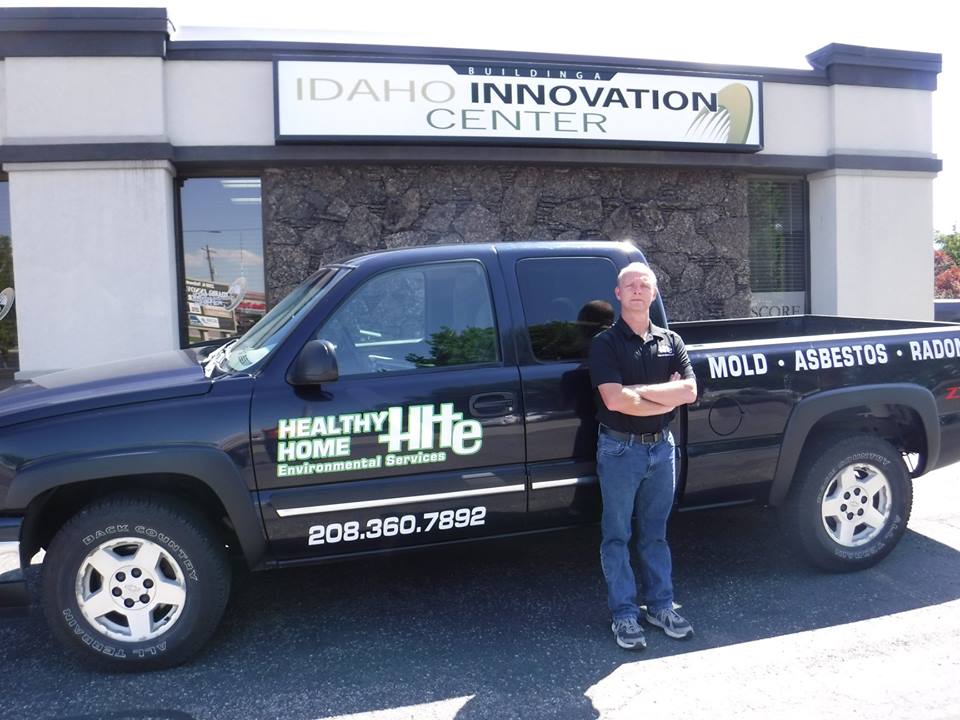
At Healthy Home Environmental Services, we love families and understand that you want the best air for them to breathe. We test for mold, asbestos, radon, and are now certified for legionella. We also do remediation work. That means, we fix the problem for you! We are the best in the business and the most affordable. Our reputation speaks for itself, not just here but in our home town of Seattle. Our staff are experts in what causes poor indoor air quality, and how to fix it. Sometimes, it's something you can do yourself with some guidance from us. We look forward to helping you solve your mold, water, weird smells; kind of problems. Our work in attic mold and remediation is 100% guaranteed for LIFE. We are also experts for businesses and are equipped to handle large scale jobs. We even do hoarding jobs. Give us a call today to speak with an expert or to schedule an appointment. We'd love to hear from you.

Radon Detection and Reduction questions, answered by experts

You'll need to test your home for radon after installing the mitigation system, then again every two years. If radon remains elevated, contact a licensed radon professional, either the contractor who installed the system or a different one, and have them evaluate the system. They may need to make some changes to improve its effectiveness and performance.

Radon detection is crucial as prolonged exposure to radon gas, a leading cause of lung cancer, poses significant health risks in residential environments.

The soil beneath your house is most likely what’s causing an increased level of radon. This is because soil holds radioactivity for a long time and it’s also what most buildings are built on. Another common source of radon is water from a source that hasn’t been through periodic radon tests, such as well water. Over time, the radon from the soil can inhabit other parts of your house like the foundation or plumbing.

Installation typically takes 1-2 days, depending on the system and property layout.

No level of radon is technically safe, but since it is present everywhere, complete avoidance is impossible. The average radon level in homes across the United States is 1.3 picocuries per liter (pCi/L). The Environmental Protection Agency (EPA) recommends taking preventative measures if your home's radon levels are between 2 and 4 pCi/L or higher.

The Heyburn, ID homeowners’ guide to radon detection and reduction services

From average costs to expert advice, get all the answers you need to get your job done.