"They were the best in experience and background, they went in and did their job in 24 hrs our radon gases decreased for 90%, I'm impressed, they are who they are"
"Company that came out was not the same as what is listed on home advisor. However the person I talked with did come out. No mention of lack of ability to accept credit cards. No mention of a minimum job cost of $325.00"
"Capstone inspection is one of the best in the valley they pay attention to all the small details they go through everything through never miss anything affordable friendly fast service around I recommend this to anybody who needs their services"
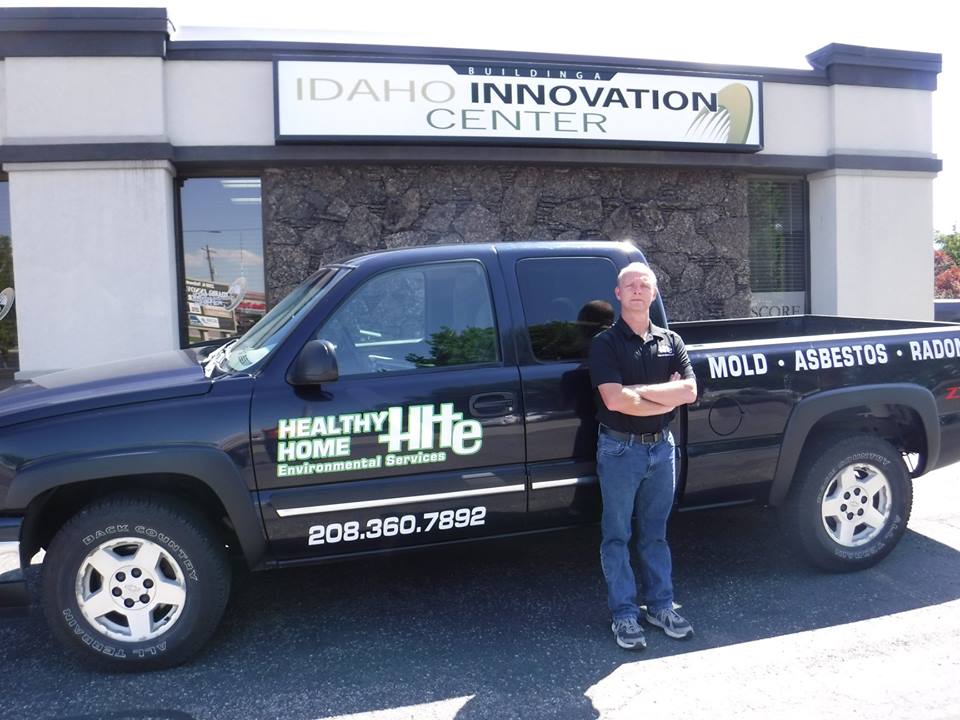
At Healthy Home Environmental Services, we love families and understand that you want the best air for them to breathe. We test for mold, asbestos, radon, and are now certified for legionella. We also do remediation work. That means, we fix the problem for you! We are the best in the business and the most affordable. Our reputation speaks for itself, not just here but in our home town of Seattle. Our staff are experts in what causes poor indoor air quality, and how to fix it. Sometimes, it's something you can do yourself with some guidance from us. We look forward to helping you solve your mold, water, weird smells; kind of problems. Our work in attic mold and remediation is 100% guaranteed for LIFE. We are also experts for businesses and are equipped to handle large scale jobs. We even do hoarding jobs. Give us a call today to speak with an expert or to schedule an appointment. We'd love to hear from you.
At Ridgetop Homes we pride our company on reliability, great communication, integrity, and quality work. We strongly believe in giving our absolute best in all the work we perform. We are experts and will always keep you educated about the work process. We look forward to earning your business.
Radon Detection and Reduction questions, answered by experts
You'll need to test your home for radon after installing the mitigation system, then again every two years. If radon remains elevated, contact a licensed radon professional, either the contractor who installed the system or a different one, and have them evaluate the system. They may need to make some changes to improve its effectiveness and performance.
Radon is present almost everywhere but, like sunlight, the concentration levels and how often you are exposed to it have a large part to play in just how dangerous it is. There are levels of radon that are acceptable inside a house, but above a certain limit, radon becomes a serious radioactive hazard that is a known cause of lung cancer. In fact, radon exposure is the number two leading cause of lung cancer (after smoking).
Testing every 2-5 years or upon adjusting occupancy or structural changes maintains safe environments.
The fan that pulls the radon out of the air needs to run continuously, so you may see an increase in your electric bill once you install the mitigation system. Additionally, you may see an increase in your heating or cooling bills, as the fan can cause some loss of hot or cool air.
No level of radon is technically safe, but since it is naturally present everywhere, it is impossible to avoid entirely. The average radon level in homes across the United States is 1.3 picocuries per liter (pCi/L). The Environmental Protection Agency (EPA) recommends taking action to reduce radon levels if your home's test results are between 2 and 4 pCi/L or higher.
The Bruneau, ID homeowners’ guide to radon detection and reduction services
From average costs to expert advice, get all the answers you need to get your job done.
Get clear answers on how much radon remediation costs, including average prices, key cost factors, and tips to save money on your home’s radon mitigation.
Find out what impacts radon testing costs, including average prices for DIY kits and professional services, so you can protect your home and budget confidently.
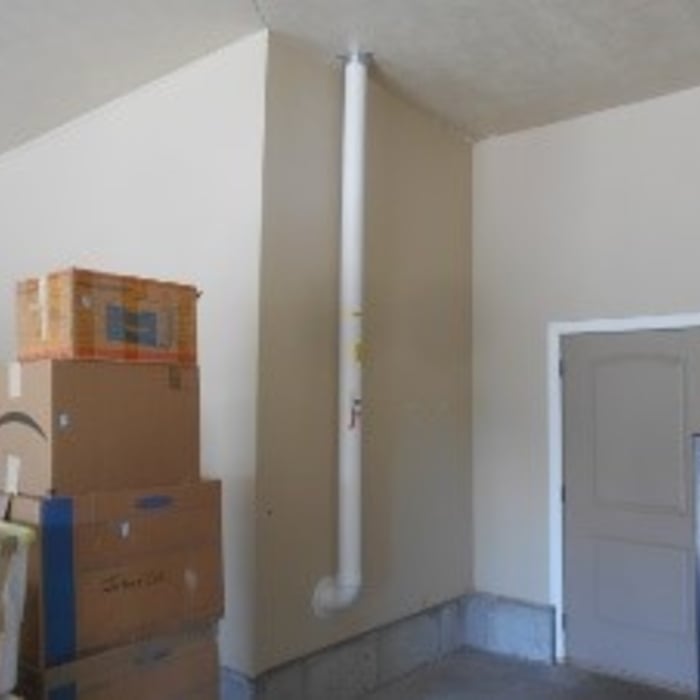
Radon is a gas that you can't see or smell and is harmful to your health. If your home has radon, you need to know who installs radon mitigation systems.