


Top-rated radon detection and reduction specialists.

Get matched with top radon detection and reduction specialists in Bellevue, ID

Enter your zip and get matched with up to 5 pros

Need a pro for your radon detection and reduction project in Bellevue, ID?

Select your specific project to find the pro for you.

Find Radon detection and reduction specialists in Bellevue

Avatar for Sawtooth Home Inspections, LLC
Sawtooth Home Inspections, LLC
5.0(
1
)

Serving Bellevue, ID and surrounding areas

In business since 2015

Free estimates

Credit card accepted

"We hired Sawtooth at the recommendation of our realtor. We live the California Bay Area and were buying a Sun Valley area vacation home. Due to the pandemic, we worked on-line and by phone with Sawtooth. They made it easy and lived to all their commitments. The quality of the work product demonstrated not only excellent technical expertise, but good judgment in prioritizing issues. Our Seller met the Sawtooth inspector and was impressed. It sure helped when we made a contingency list of items we wanted addressed before closing and the Seller agreed to and completed all of them."
Response time2 hrs
Recommended by100%of homeowners
Avatar for Healthy Home Environmental Services
Healthy Home Environmental Services
New to Angi

Serving Bellevue, ID and surrounding areas

In business since 1995

Emergency services offered

Credit card accepted

At Healthy Home Environmental Services, we love families and understand that you want the best air for them to breathe. We test for mold, asbestos, radon, and are now certified for legionella. We also do remediation work. That means, we fix the problem for you! We are the best in the business and the most affordable. Our reputation speaks for itself, not just here but in our home town of Seattle. Our staff are experts in what causes poor indoor air quality, and how to fix it. Sometimes, it's something you can do yourself with some guidance from us. We look forward to helping you solve your mold, water, weird smells; kind of problems. Our work in attic mold and remediation is 100% guaranteed for LIFE. We are also experts for businesses and are equipped to handle large scale jobs. We even do hoarding jobs. Give us a call today to speak with an expert or to schedule an appointment. We'd love to hear from you.

Radon Detection and Reduction questions, answered by experts

The average radon mitigation system uses about 876 kWh of electricity per year, although the exact amount of electricity used will vary depending on the size of the radon fan. Once the system is installed, the annual increase to your energy bill could range from $30 to $300 per year, again depending on the size of the fan.

The lifespan of a radon mitigation system depends on the type of system and its maintenance. With proper care, a system can last for many decades. Passive systems tend to last longer as they have fewer components that require replacement. Active systems, which have more moving parts like fans, generally have a shorter lifespan. For instance, water filtration devices and active pressurization systems require more frequent maintenance. While the system as a whole is durable, the radon fan in an active system typically has a lifespan of 5 to 10 years and will need to be replaced. As long as the fan is working, the mitigation system should function correctly.

Long-term exposure increases lung cancer risks. Prolonged homestay individuals and smokers encounter heightened vulnerability and exposure concerns.

The soil beneath your house is most likely what’s causing an increased level of radon. This is because soil holds radioactivity for a long time and it’s also what most buildings are built on. Another common source of radon is water from a source that hasn’t been through periodic radon tests, such as well water. Over time, the radon from the soil can inhabit other parts of your house like the foundation or plumbing.

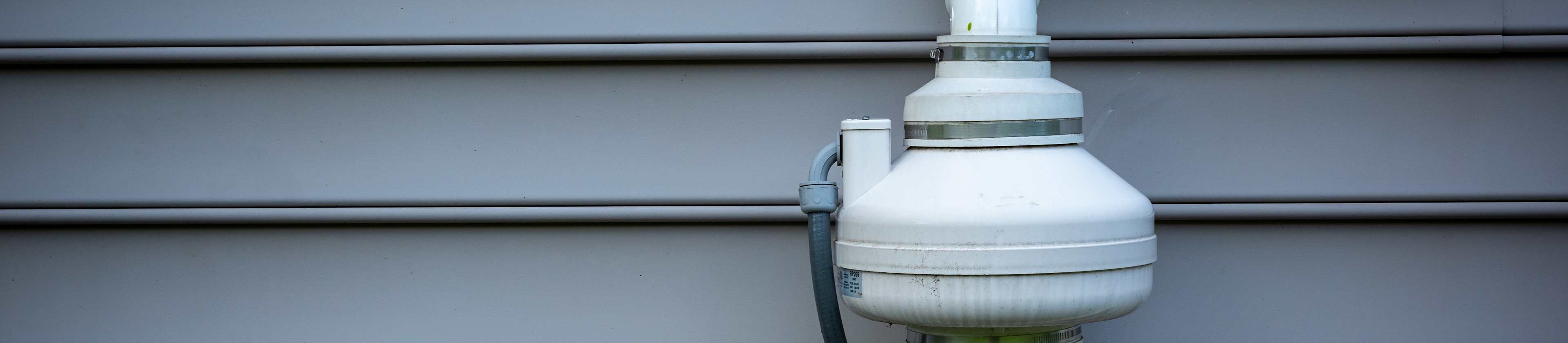
Your radon mitigation system may be loud because it’s time to replace it. Any sounds are usually from the inline fan that helps create the vacuum and resulting airflow. If you hear a new, loud mechanical or humming noise from your radon fan, it might be time to replace it. Most fans used in radon mitigation systems last up to 10 years, but may need to be replaced sooner.

The Bellevue, ID homeowners’ guide to radon detection and reduction services

From average costs to expert advice, get all the answers you need to get your job done.