






Top-rated basement waterproofing pros.

Get matched with top basement waterproofing pros in Post Falls, ID

Enter your zip and get matched with up to 5 pros

Find Basement waterproofing pros in Post Falls

Avatar for MTU Services LLC
MTU Services LLC
5.0(
5
)
Foundation, Basement or Crawlspace - Waterproofing / EncapsulationBasement Drainage Channels - InstallBasement Drainage Channels - Repair

Serving Post Falls, ID and surrounding areas

Approved

In business since 2021

Free estimates

Emergency services offered

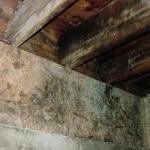
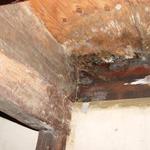
"We’ve had a lot of crews in our home for various projects over the years, and I have to say this was one of the most courteous. They worked hard, navigating through our kitchen to access the basement and I really appreciated their efforts. Thank you MTU, we now have safe walls in our cellar and fresh beams to keep the house standing ;)"
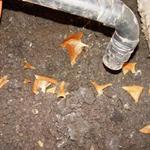
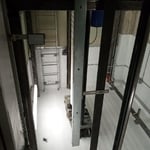
Elevator pit waterproofing and sealing
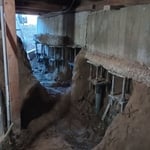
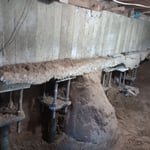
Piers under an existing home
Piers under an existing homes middle wall
Solutions/Answers
Response time1 day
Response rate100%
13 neighbors recently requested a quote
Showing 1-10 of 34
Basement Waterproofing questions, answered by experts

Regular inspections, maintaining proper grading around the foundation, and keeping gutters clear are advisable. Vapor barriers and sealants may need checking for wear after several years.

Egress windows or doors are required in finished basements to meet safety and building codes. If your basement is unfinished and used as a storage space, egress windows are not required, but anything considered a habitable space must have an additional point of egress in addition to the stairs.

If you notice standing water under the deck after rainstorms, you may need a drainage system to efficiently move this water. You do not want standing water to rest against your foundation or against support posts for the deck, as this could cause significant structural problems over time. Make sure the area has proper grading, too.

Yes, engineers assess soil load-bearing capacity and provide construction guidelines.

Ideal humidity conditions generally range from 30% to 50%, with 45% considered optimal humidity for most homes. If your humidity levels drop below that range, you can turn your dehumidifier off. Additionally, suppose the temperature where the dehumidifier is installed falls below 60 degrees Fahrenheit. In that case, it's best to turn it off and unplug it since cooler temperatures can cause the unit's coils to freeze.

The Post Falls, ID homeowners’ guide to basement waterproofing services

From average costs to expert advice, get all the answers you need to get your job done.