


Top-rated tree service pros.

Get matched with top tree service pros in Pocatello, ID

Enter your zip and get matched with up to 5 pros

Need a pro for your tree service project in Pocatello, ID?

Select your specific project to find the pro for you.

TRUSTED BY POCATELLO, ID HOMEOWNERS

  • Average homeowner rating star icon4.6
    Average homeowner rating
  • Verified reviews icon97
    Verified tree services reviews

Find Tree service pros in Pocatello

Avatar for M&M Solutions
M&M Solutions
5.0(
9
)

Serving Pocatello, ID and surrounding areas

Approved

In business since 2025

Free estimates

Credit card accepted

"Quality Job for Fair Price. Fast, Efficient, and Fair Pricing Tried to offer them lunch, but they were all about getting the job done, and to my exact specifications. I recommend them to all my Friends and Family. Thank you M & M Solutions"
Tree Removal
Response time9 hrs
Response rate97%
1 neighbors recently requested a quote
Avatar for Yardopolis
Yardopolis
5.0(
2
)

Serving Pocatello, ID and surrounding areas

Approved

In business since 2021

Free estimates

Credit card accepted

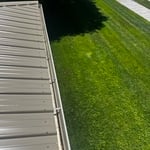
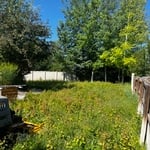
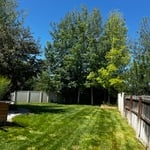
"They did a wonderful job and are very nice and easy to work with, they take their time and have my lawn looking great!"
Gutter Clean and Mow
Before Photo
After Photo
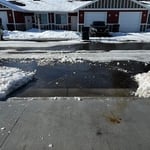
Ice removal
Response time3 days
30 neighbors recently requested a quote
Recommended by100%of homeowners

Showing 1-10 of 48
Tree Service questions, answered by experts

No, you cannot plant a tree above a gas line. Tree roots grow and spread over time and can sometimes dent, crack, or penetrate a gas line. Those same roots may also cause accessibility problems for maintenance or repairs. You can generally plant vegetation with non-invasive root systems, low-growing vegetation, and flower beds near gas lines. 

Unfortunately, palm tree stumps are one of the most difficult types to remove due to how their roots grow. Unlike other trees, palm tree roots grow horizontally and vertically. Palm tree roots grow as deep as three feet into the ground, although soil and growing conditions could mean they go as far as 50 inches into the earth. 

If you want to be able to repurpose the grass in the area where you removed a stump later, you’ll have to dig quite deep—and perhaps wide—to trim away all the roots.

Generally, no, tree topping isn’t a good technique, and you should avoid using it in most cases. Tree topping may be the only good option to save a tree following severe damage after a storm, but in most other cases, it’s not the right choice. Tree topping can leave trees vulnerable to disease and further damage, and most pros will suggest against it.

There are a few differences between tree guying and tree staking. Tree guying requires anchor stakes that are shorter and stronger than regular stakes and are driven deeper into the ground at an angle away from the tree. Tree staking uses longer stakes that are set parallel to the tree and are used for smaller trees. Consult a local tree professional to determine which method is best for your tree.

A tree can grow back from its stump, but full regrowth is unlikely (especially for more stubborn conifer trees). Instead, trees are more likely to send up a number of shoots from the dead stump, which will try to develop into primary stems over time. In other words, it will start to look increasingly bushy. The goal of killing and drying out a tree stump is to prevent that from happening, as well as make the stump easier to completely remove.

The Pocatello, ID homeowners’ guide to tree services

From average costs to expert advice, get all the answers you need to get your job done.