
Top-rated concrete mudjacking pros.

Get matched with top concrete mudjacking pros in Mccall, ID

Enter your zip and get matched with up to 5 pros

Need a pro for your concrete mudjacking project in Mccall, ID?

Select your specific project to find the pro for you.

Find Concrete mudjacking pros in Mccall

Go Green Insulation - Home Facebook
New to Angi

Serving Mccall, ID and surrounding areas

In business since 2010

Free estimates

Credit card accepted

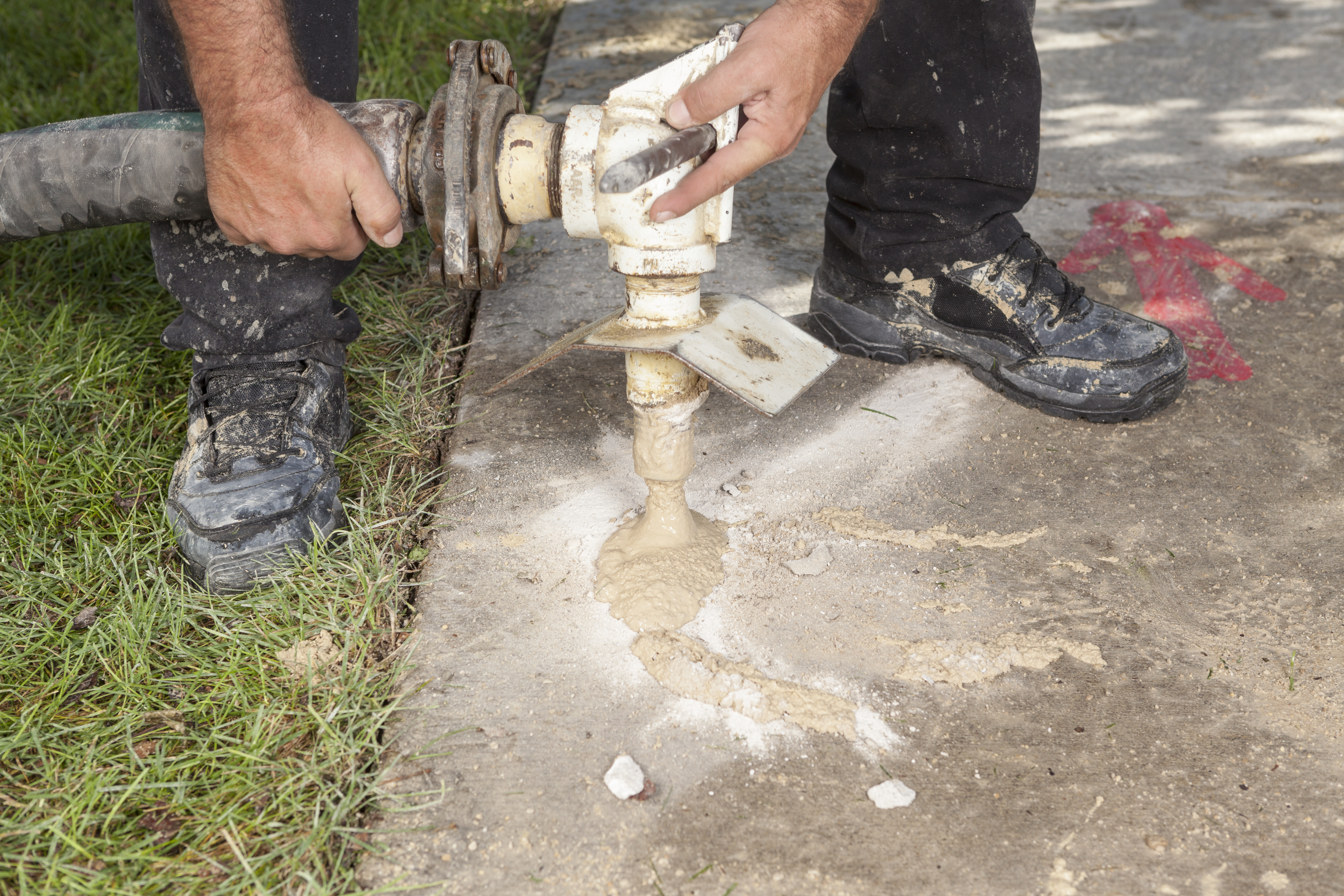
Quality is our goal! We are a locally owned and operated company that values honesty and integrity, and we stand behind our work. We specialize In Concrete - Injection Leveling - Mud-jacking & Raising & Spray Foam Insulation, offering top of the line experience and material. Our services are customized to the individual project, paying close attention to the details of each project that we are involved with. We look forward to building long-term relationships with our clients and guarantee your satisfaction!
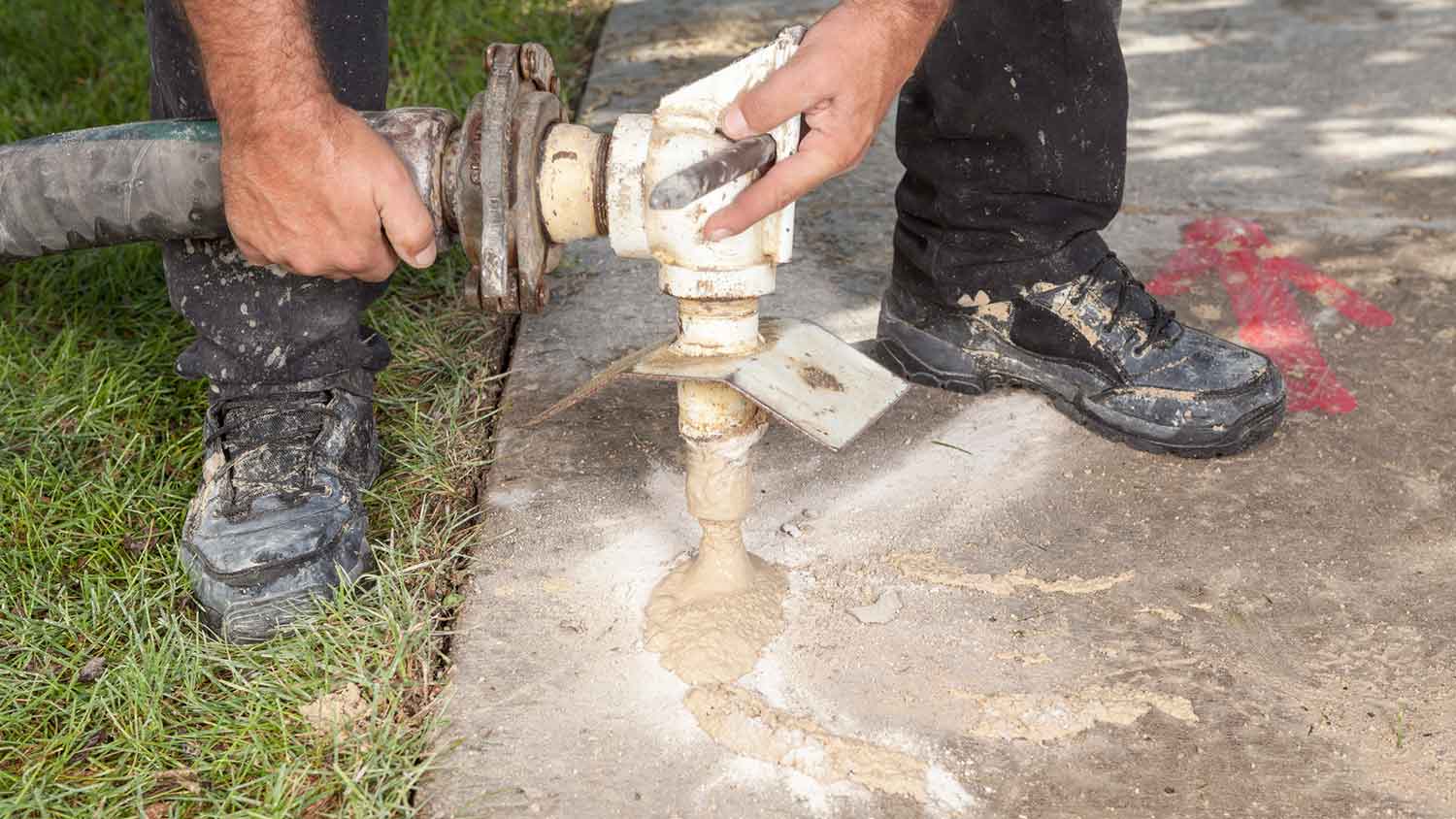
Concrete Mudjacking questions, answered by experts

A good slump height really depends on the project, but there is a use for nearly all slump levels. For example, low slumps are best in projects that require structure, such as curbs and roads. High slumps often require additional reinforcement, but they flow more freely into hard-to-reach spaces.

Mudjacking is your best bet for leveling concrete on a tighter budget. It’s less expensive than foam or grout mixture. For smaller, surface-level issues, you could also use a self-leveling compound, which creates an even surface over existing concrete—it’s a budget-friendly option suitable for DIY enthusiasts.

Polyjacking and mudjacking can both be effective solutions for sinking concrete, but they have key differences. Polyjacking, which uses expanding polyurethane foam, is often considered a better option because the foam is significantly lighter than the cementitious material used for mudjacking. This reduced weight puts less pressure on the underlying soil and lowers the risk of future sinking. Polyjacking is suitable for any sinking concrete slab, while mudjacking is typically only recommended for non-structural concrete, such as sidewalks, patios, pool decks, and driveways. The primary drawback of polyjacking is its cost, which can be up to four times higher than mudjacking—as much as $25 per square foot compared to a maximum of about $6 per square foot for mudjacking.

Concrete leveling is not typically covered by insurance. In some cases where the shifting concrete is caused by a natural disaster or storm, you may be able to file an insurance claim if your policy specifically covers those circumstances. In most cases, though, you’ll pay out-of-pocket for concrete leveling.

Trenching and boring are two distinct methods for installing underground utilities. Trenching involves digging a channel using equipment like an excavator, trencher, backhoe, or shovel. While it is a simpler process, it causes significant disruption to the surface, landscaping, and surrounding ecosystems.

Boring, also known as directional boring, is a less invasive alternative that uses a drill to create a tunnel for utility lines without disturbing the surface. This method is more precise and is ideal for installations that need to go underneath buildings, roads, or bodies of water. Although boring is less disruptive, it is generally more expensive than trenching.

The Mccall, ID homeowners’ guide to concrete mudjacking services

From average costs to expert advice, get all the answers you need to get your job done.