


Top-rated arborists.

Get matched with top arborists in Kellogg, ID

Enter your zip and get matched with up to 5 pros

Need a pro for your arboricultural service project in Kellogg, ID?

Select your specific project to find the pro for you.

TRUSTED BY KELLOGG, ID HOMEOWNERS

  • Average homeowner rating star icon4.9
    Average homeowner rating
  • Verified reviews icon17
    Verified arboricultural services reviews

Find Arborists in Kellogg

Avatar for Elite Timber Cutting, LLC
Elite Timber Cutting, LLC
5.0(
4
)

Serving Kellogg, ID and surrounding areas

In business since 2022

Free estimates

Small jobs welcome

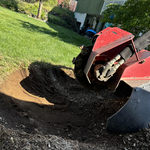
"Elite Timber Cutting was a great business to work with. They came out, removed some trees and stumps and did an amazing job! I was definitely a happy customer. I would recommend them to anyone who needs any tree jobs"
Response time12 hrs
Avatar for CDA Tree and Utility LLC
CDA Tree and Utility LLC
4.5(
8
)

Serving Kellogg, ID and surrounding areas

Free estimates

Emergency services offered

Credit card accepted

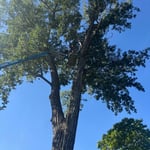
"Josh is a real professional. Very good with difficult/dangerous trees. I've used his service/expertise many times through the years. I will always give him first chance to bid tree service work."
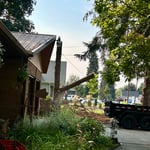
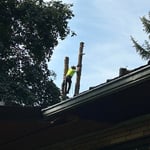
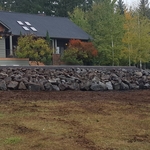
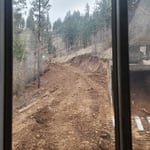
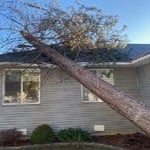
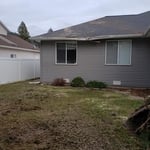
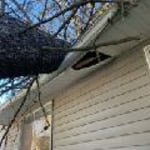
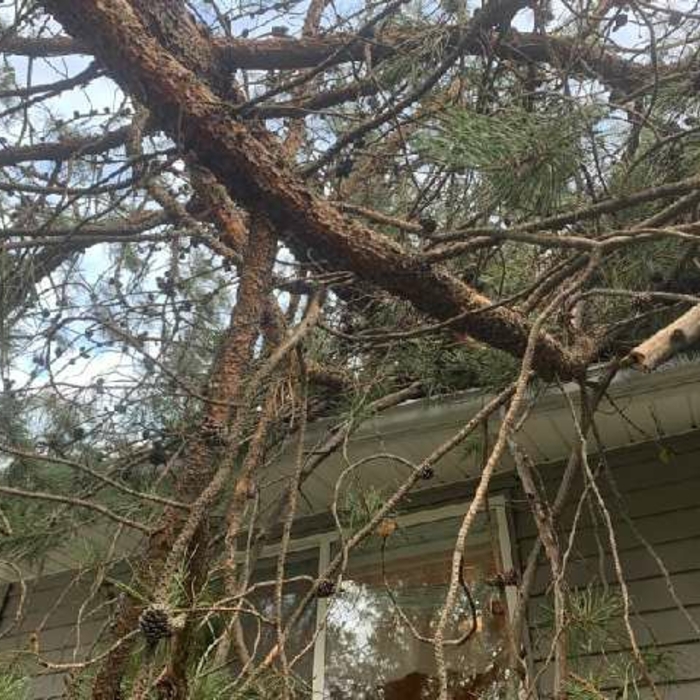
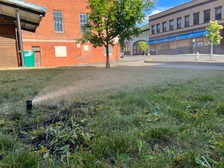
Pine tree removal from roof
wind storm 2021
cleaned up with free reseed
Additional Photos
Additional Photos

+5

Response time5 days
Recommended by85%of homeowners
Showing 1-10 of 32
Arborists questions, answered by experts

It depends on the problem, the affected part of the tree, the risk of the pathogen spreading, and the overall health of your tree. Many diseases, fungal infections, and insect infestations can be successfully treated, especially if the issue is only in a few branches. However, if a disease is too widespread, too severe, too easily spread, or in the roots, the tree will likely need to be removed.

If executed correctly your tree should survive after being transplanted to a new spot. However, effective transplanting requires six months, careful root pruning, safe transport to the new location, and replanting in prime soil conditions. You’ll also need an appropriately sized root ball for a complete tree transplant. A good rule of thumb is that, for every inch in diameter, your tree’s root ball needs to be around 11 inches. So a tree with a diameter of six inches needs a root ball of approximately 66 inches.

If you’re looking to rot a tree stump fast, potassium nitrate will work far quicker than copper nails. First, drill several holes into the stump using a power drill, then pour potassium nitrate pellets into the holes. Next, add water to help the chemical absorb into the wood, thoroughly soaking the stump to ensure the pellets dissolve and spread evenly. Afterward, cover the stump with a tarp to retain moisture and block sunlight, then place mulch on top to secure it in place.

It depends on where you live—but in most areas, leaves begin falling in September and continue falling until January or February. Warmer regions, such as Southern states, may see leaves fall a bit later in the calendar year. It also depends on the type of trees in your yard and their maturity. 

Generally, you’ll want to prune back the trunk by 1 to 2 feet each year to promote bushy growth. Doing so concentrates vegetative buds closer to the bottom of the tree, where you can easily harvest fruit. For side shoots that are a year old, leave at least six leaves. 

Never remove more than 30% of a tree’s foliage during pruning—even if your tree is really overgrown. Removing this much foliage at a time could kill your tree.

The Kellogg, ID homeowners’ guide to arboricultural services

From average costs to expert advice, get all the answers you need to get your job done.